Room Cleanliness & Housekeeping Audit
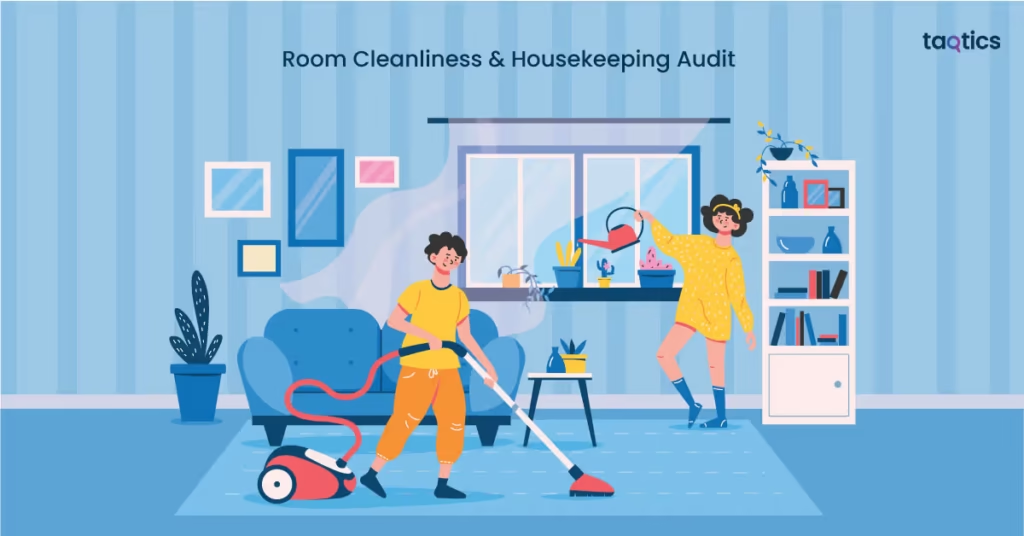
Room Cleanliness & Housekeeping Audit is a crucial process that ensures hygiene standards, guest comfort, and brand reputation remain uncompromised in the hospitality industry. A room cleanliness & housekeeping audit helps hotels, resorts, and guest facilities maintain consistency in cleaning practices, identify operational gaps, and ensure compliance with safety and hygiene regulations. According to a recent survey by Hotel Management Network, over 86% of guests consider room cleanliness as the top factor influencing their decision to rebook a hotel, while 78% associate visible cleanliness with overall service quality.
Even a single negative review mentioning poor housekeeping can reduce bookings by up to 15%, emphasizing the direct impact of cleanliness on revenue and guest loyalty. Through structured inspection checklists, staff training assessments, and detailed reporting, the audit measures parameters like room hygiene, linen management, restroom sanitation, and staff efficiency. This not only safeguards health and safety but also enhances guest satisfaction scores, improves operational efficiency, and strengthens a property’s competitive edge in an increasingly quality-conscious hospitality landscape.
What Is a Room Cleanliness & Housekeeping Audit?
A room cleanliness & housekeeping audit is a systematic assessment of the cleanliness, hygiene, and overall upkeep of guest rooms and common areas in a hospitality establishment. It involves detailed inspections of cleaning practices, maintenance standards, staff performance, and compliance with hygiene protocols. The goal is to ensure that every room meets the brand’s quality benchmarks and health safety standards.
In hotel management, housekeeping audits play a pivotal role in maintaining guest satisfaction and operational excellence. By regularly auditing cleaning procedures, hotels can identify areas for improvement, standardize housekeeping protocols, and reduce service inconsistencies. A clean and well-maintained room directly influences how guests perceive their stay — research shows that over 90% of hotel guests base their satisfaction largely on cleanliness and comfort levels.
Beyond operational benefits, the impact of housekeeping audits extends to brand reputation and online reviews. Cleanliness is often the most mentioned aspect in guest feedback, and even one negative review about hygiene can significantly affect a property’s image and booking rates. Regular audits not only minimize such risks but also strengthen the brand’s credibility, driving positive guest experiences and long-term loyalty.
What Does a Room Cleanliness & Housekeeping Audit Typically Include?
A room cleanliness & housekeeping audit typically includes a structured inspection of all areas of a guest room and supporting facilities to ensure hygiene, maintenance, and presentation standards are met. It includes both deep cleaning and routine cleaning and covers both visible and hidden elements, from flooring and furniture to back-of-house HVAC systems and pest control. Using comprehensive checklists for bedrooms/guest areas, bathrooms, general safety, and maintenance provides a complete snapshot of room readiness and brand compliance.
Bedroom & General Area Checklist
- Floors: Check for cleanliness (vacuumed, mopped), inspect for damage like holes, fraying carpet, loose planks.
- Walls and ceilings: Inspect for cleanliness (no cobwebs), marks, scratches, peeling paint.
- Furniture: Check for cleanliness, sturdiness (no wobble), damage (scratches, chips).
- Bedding: Ensure linens are clean, fresh, and free of stains; the bed frame should be sturdy and clean; mattress protectors should be present.
- Lighting: Test all light switches, lamps and electrical outlets to ensure they work correctly.
- Windows and curtains: Windows should be clean and functional (if operable); curtains should be free of dirt/dust and without damage.
- Closet: Make sure it is clean and contains adequate hangers; if applicable iron/ironing board and a sewing kit must be present and in good condition.
- Appliances and electronics: Test all appliances (mini-fridge, TV, remote) and verify they work, are clean, and correctly placed.
- Amenities: Confirm that items like menus, stationery, ashtrays (if allowed), coffee/tea set-up are present, clean, properly displayed and replenished.
Bathroom Checklist
- Toilets, sinks and showers: Clean and disinfect thoroughly, checking for stains, mildew, especially on shower curtains or corners.
- Mirrors and fixtures: Wipe down mirrors, polish fixtures; ensure they are free of water spots, residue or rust.
- Wastebaskets: They should be emptied, cleaned, and replaced if used.
- Supplies: Soap, shampoo, toilet paper, and towels all need to be replenished and appropriately placed.
General & Safety Checks
Beyond cleanliness and presentation, the audit should include:
- Smell: Check for any unpleasant or unusual odors (musty smells, dampness) which can signal cleaning or ventilation issues.
- Pest control: Look for signs of pests (droppings, insects, traps, etc) in guest rooms and adjoining areas.
- HVAC: Ensure heating, ventilation, and air-conditioning systems are functioning properly, filtration, vents not dirty or blocked.
- Safety: Identify hazards like exposed wires, protruding nails, sharp corners, and unstable furniture.
- Maintenance: Note any missing or damaged items requiring maintenance—broken light-bulb, loose door handle, malfunctioning lock, etc.
A room cleanliness & housekeeping audit is a comprehensive, structured inspection that ensures guest rooms and associated areas not only look clean but are clean, safe, functional and brand-compliant. By covering routine cleaning and deep-clean maintenance areas equally and incorporating hidden spots and safety checks, the audit supports operational consistency, guest satisfaction, and long-term asset preservation.
How Is a Room Cleanliness & Housekeeping Audit Conducted?
A room cleanliness & housekeeping audit is conducted by following a structured sequence of steps designed to ensure that guest rooms meet the required hygiene, maintenance and presentation standards. It covers manual vs. digital audit methods, identifies who performs the audit (in-house or third-party), and outlines the tools used (checklists, scorecards, mobile apps, etc.).
Manual vs Digital Audit Methods
A room cleanliness & housekeeping audit can be conducted using manual or digital methods, or a combination of both, depending on the hotel’s size, budget, and technology adoption. Each method has its strengths and limitations, but together they ensure consistency, accountability, and quality control across all housekeeping operations.
Manual Audit Methods
Manual audits are the traditional approach, still used widely in smaller hotels or independent properties. They rely on physical inspection tools and paperwork.
- Printed checklists and logbooks: Supervisors carry printed forms, ticking off items as they inspect each area.
- Physical verification: Auditors manually inspect cleanliness, note issues, and communicate corrections verbally or through written reports.
- Advantages: Simple to use, minimal cost, effective for small teams or low-tech environments.
- Limitations: Time-consuming, prone to human error, lacks real-time visibility, and may delay issue resolution.
- Industry insight: The Hospitality Institute of Technology and Management notes that manual audits are effective for accountability but often lead to delays in reporting and data consolidation (Hospitality Institute, 2022).
Digital Audit Methods
Digital audits leverage mobile technology, cloud systems, and automation to streamline inspections and reporting.
- Mobile and tablet-based apps: Auditors use devices to complete digital checklists, capture photos, and tag issues.
- Cloud dashboards: Data is synced in real-time, allowing managers to track audit results across multiple properties.
- Automated alerts: Maintenance teams receive instant notifications for failed checkpoints or hygiene concerns.
- Advantages: Reduces manual errors, saves time, provides analytics, and improves compliance tracking.
- Limitations: Requires training and investment in software/hardware infrastructure.
- Supporting data: According to Audit-Now (2024), hotels using digital audits reported 40% faster issue resolution and 25% improvement in housekeeping consistency compared to manual systems.
- Trend insight: QloApps (2024) highlights that integrating IoT and audit apps allows real-time task tracking and higher guest satisfaction rates.
Who Performs the Audit? (In-House or Third-Party)
A Room Cleanliness & Housekeeping Audit can be carried out either by the hotel’s in-house team or by an independent third-party auditor. The choice depends on the property’s scale, management structure, and quality assurance goals. Both approaches have distinct advantages and challenges, and many hotels today use a hybrid model — internal checks supplemented by periodic external reviews.
| Aspect | In-House Audit | Third-Party Audit |
| Conducted by | Hotel’s internal team — Executive Housekeeper, Housekeeping Supervisor, or Quality Manager | Independent hospitality consultants or external audit agencies |
| Purpose | To ensure daily operational quality and quick corrective action | To provide objective evaluation, compliance benchmarking, and certification |
| Frequency | Regularly (daily, weekly, or monthly) | Periodically (quarterly, biannual, or annual) |
| Advantages | – Immediate corrective action possible- Deep knowledge of property standards- Cost-effective for ongoing monitoring | – Unbiased and transparent assessment- Identifies hidden or systemic issues- Enhances credibility for brand or certification audits |
| Limitations | – Can be subjective or lenient- May lack external benchmarking- Dependent on staff consistency | – More expensive- Requires advance scheduling- Limited audit frequency |
| Data & Insights | Hotel Management Network (2023) reports that regular in-house audits can reduce cleanliness complaints by 30% with standardized checklists. | Cornell Hospitality Quarterly (2022) found hotels using third-party audits saw a 22% rise in guest satisfaction and 15% better cleanliness ratings online. |
| Best Use Case | Small to mid-sized hotels, independent properties, or routine operational checks | Branded chains, luxury hotels, or when external validation and benchmarking are needed |
Tools Used: Checklists, Scorecards, Mobile Apps
A critical part of the audit is the toolset used for capturing, recording and analysing the audit data. Common tools include:
- Printed checklists: Traditional forms listing items to inspect (floors, walls, bedding, bathroom fixtures, amenities, hidden spots). Auditors tick off each item and may add comments or photos. These are still widely used, especially in smaller or lower-tech properties.
- Scorecards: Both manual and digital, scorecards allow auditors to rate or score each area on a scale (for example: pass/fail, 1-5 rating). This enables aggregation of scores to identify trends (e.g., room cleanliness score averages, recurring issues).
- Mobile apps or tablet-based audit software: These allow auditors to complete checklists on a handheld device, capture photos of defects, immediately upload results to a central dashboard, generate reports, and trigger maintenance or corrective workflows. One guide emphasises that digital checklists “keep operations efficient and aligned” and provide “instant visibility” into inspection results.
- Dashboards and analytics tools: With digital audits, management can review aggregated data across rooms, floors or properties — spotting patterns like which areas frequently fail, which staff need retraining, or where deep-cleaning is overdue. For instance, one article states that real-time visibility allows “hotels to catch bottlenecks ahead of time before they become issues”.
The way a room cleanliness & housekeeping audit is conducted depends on the method (manual vs digital), who performs it (in-house vs third-party), and the tools utilized (checklists, scorecards, mobile apps). Effective auditing ensures consistent maintenance of cleanliness standards, allows for timely corrective action, and gives management the data required to drive continuous improvement.
How Often Should Room Cleanliness & Housekeeping Audits Be Performed?
A room cleanliness & housekeeping audit should be performed at defined intervals to maintain hygiene, guest satisfaction, and operational excellence. Key considerations include industry best practices (daily spot checks, weekly formal audits), frequency adjustments based on guest volume and seasonality, and more frequent checks for high-risk areas.
Industry Best Practices
- Daily spot checks: Many hospitality audit guides recommend conducting brief, focused inspections every day to catch immediate issues before they escalate. For example, one audit tool website notes that “daily checklists” form the foundation of a robust audit regimen.
- Weekly formal audits: A more thorough audit, often weekly, allows identification of recurring issues, deeper cleaning opportunities, and cross-verification of checklist results.
- Monthly or quarterly audits for deep cleaning and hidden areas: According to housekeeping schedules, tasks like upholstery deep-cleaning, HVAC checks, and full room inspections are recommended monthly or quarterly.
Frequency Based on Guest Volume & Seasonality
- Guest volume: High-occupancy periods demand more frequent auditing because wear and traffic intensify cleaning needs. A cleaning frequency guide states that hotels with higher guest traffic must adjust their schedules accordingly.
- Seasonality: During peak seasons (holiday, festival times) or in adverse weather months (e.g., monsoon causing more floor cleaning), audit frequency should increase. For instance, the same guide mentions that “seasonal variations” affect how often deep-clean tasks are required.
- Property category & environment: Luxury properties or those in demanding locations (near construction, high humidity) may require more frequent audits compared to budget hotels.
High-Risk Areas Requiring Frequent Checks
- High-touch surfaces and public areas: According to industry-wide cleaning guidelines, surfaces such as elevator buttons, door handles, and front-desk counters should be cleaned and audited at least daily, and often multiple times per day based on use.
- Guest rooms after checkout: Rooms vacated by guests are higher risk. Hence, inspections should be immediate post-check-out, and deep audits of bedding, mattresses, and hidden spots should follow.
- Hidden or less visible areas: Areas like under beds, behind curtains, HVAC vents, carpet edges tend to be overlooked; therefore, scheduling deeper audits for these frequently (weekly/monthly) helps maintain standards.
- Safety & compliance zones: Areas subject to regulatory or brand-compliance risk (e.g., fire exits, equipment storage, linen handling) should be audited with higher frequency, sometimes daily or at each shift turn, to reduce liability.
An effective audit schedule combines daily spot checks, weekly formal inspections, and monthly/quarterly deep-audits, tailored by guest volume, seasonality, and risk-area profiling. By doing so, a property ensures continuous cleanliness, operational reliability, and guest satisfaction anchored in measurable data.
What Are the Most Common Room Cleanliness & Housekeeping Audit Failures?
The most common room cleanliness & housekeeping audit failures are poor linen management, unreported maintenance issues, incomplete documentation, and mold, odors, pest signs, and when missed spots are overlooked, these issues often multiply. Each of these failures weakens guest satisfaction, operational efficiency, and brand reputation.
Missed Spots
Missed spots refer to areas that are frequently overlooked during daily cleaning or inspections — such as under beds, behind curtains, around window sills, and inside closets. These hidden zones accumulate dust, debris, or even pests, creating negative first impressions for guests.
- According to Shoes for Crews Hospitality Report (2023), “hair in the bath” and “trash under the bed” rank among the top 5 guest complaints related to cleanliness.
- Such oversights not only reduce guest satisfaction scores but can also cause a 15–20% drop in repeat bookings when mentioned in online reviews.
Poor Linen Management
Ineffective linen management, including stained sheets, inconsistent laundering, or inadequate stock rotation, is one of the biggest pain points in housekeeping operations.
- A study in the Journal of Hospitality and Tourism Management (2022) found that 27.2% of guest satisfaction variance was linked to linen quality and cleanliness.
- Hospitality Tech (2023) reports that hotels lose 20–30% of their linen inventory annually due to mismanagement or early wear.
- Poor linen control not only affects presentation but also increases operational costs and laundry turnaround time.
Unreported Maintenance Issues
When maintenance issues such as leaky faucets, flickering lights, or damaged furniture go unreported, they become recurring audit failures.
- A David Publisher Hospitality Study (2022) revealed that the housekeeping department accounts for 45.1% of hotel service failures, often due to unlogged or ignored maintenance defects.
- These issues degrade guest perception of quality and can escalate into expensive repairs if not addressed promptly.
- Regular cross-department coordination between housekeeping and maintenance teams can reduce this failure rate significantly.
Incomplete Documentation
Accurate documentation, including audit checklists, discrepancy reports, and snag lists, is the backbone of effective housekeeping audits.
- Incomplete or inconsistent documentation makes it difficult to track recurring issues or hold teams accountable.
- The Hospitality Institute Audit Guide (2023) stresses that a “missing defect report is equivalent to a missed problem,” and properties with poor documentation see 25% higher repeat audit failures.
- Digital housekeeping apps can mitigate this issue by ensuring every finding is recorded and time-stamped.
Mold, Odors, and Pest Signs
These are the most critical audit failures because they directly impact guest health, safety, and regulatory compliance.
- Zeke Trolleys Hospitality Report (2023) lists mold growth, foul odors, and pest infestations as top-tier risk factors affecting hotel reputation and cleanliness ratings.
- Musty smells, damp carpets, or visible pests can result in immediate room rejections and poor online feedback.
- Implementing strict pest control protocols and regular deep-cleaning schedules helps prevent such failures.
These audit failures from missed spots to maintenance negligence are interlinked and can significantly erode a property’s service quality. Regular staff training, digital documentation, and proactive maintenance coordination are key to minimizing such lapses. A hotel that systematically monitors and corrects these common failures not only ensures superior cleanliness but also strengthens its reputation and guest loyalty.
What Are the Standard Operating Procedures (SOPs) for Room Cleaning?
The Standard Operating Procedures (SOPs) for room cleaning include well-defined guidelines that ensure consistency, hygiene, and safety across all guest rooms. These typically cover task prioritization by frequency (daily, weekly, post-checkout), linen handling, waste disposal, sanitation, and eco-friendly cleaning practices. Each procedure forms part of a structured housekeeping framework aimed at maintaining service excellence and compliance with global hospitality standards.
Tasks by Priority and Frequency (Daily, Weekly, Post-Checkout)
SOPs categorize cleaning tasks based on urgency and repetition, ensuring that both surface and deep-cleaning needs are systematically addressed.
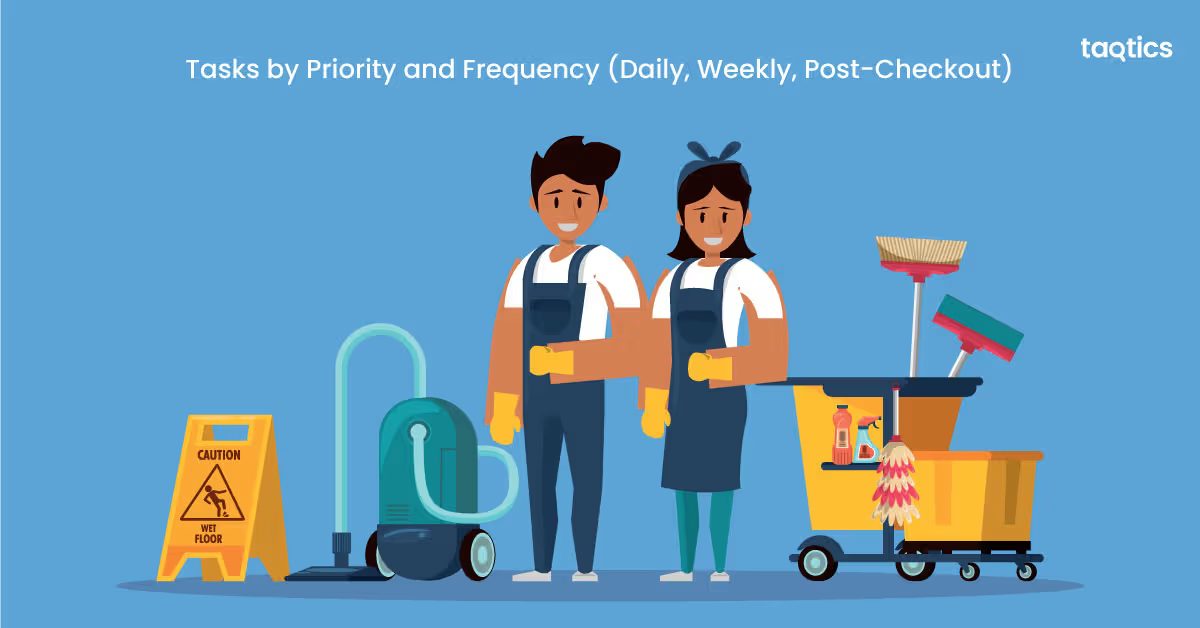
- Daily Cleaning: Includes dusting, vacuuming, changing linens, sanitizing bathrooms, and replenishing supplies.
- Weekly Cleaning: Involves curtain cleaning, carpet shampooing, and polishing of furniture or fixtures.
- Post-Checkout Cleaning: A thorough reset of the room—disinfecting high-touch surfaces, inspecting for maintenance issues, and deep-cleaning all amenities.
According to the American Hotel & Lodging Educational Institute (AHLEI, 2022), implementing structured task frequency improves cleaning efficiency by 30% and reduces guest complaints by 25%.
Linen Handling
Proper linen handling SOPs ensure hygiene and minimize cross-contamination risks.
- Clean and soiled linens must be stored and transported separately.
- Linens should be washed in hot water at 60°C or above to eliminate pathogens (CDC, 2021).
- Staff must wear gloves when handling soiled linens and avoid placing them directly on the floor.
The European Textile Services Association (ETSA, 2023) notes that efficient linen management can extend fabric life by 20–25% and reduce laundry costs substantially.
Waste Disposal
Waste disposal SOPs define proper segregation and safe removal of room-generated waste.
- Use color-coded bins to separate biodegradable, recyclable, and hazardous waste.
- Empty bins daily and sanitize them after each use.
- Adhere to local environmental and health safety regulations for disposal.
According to The International Housekeeping Standards Manual (2022), structured waste segregation enhances operational sustainability and reduces landfill waste by up to 40%.
Sanitation Protocols
Sanitation SOPs focus on high-touch areas such as door handles, remotes, switches, and bathroom fixtures.
- Use hospital-grade disinfectants approved by agencies like the Environmental Protection Agency (EPA, 2023).
- Maintain proper dilution ratios to prevent surface damage.
- Train staff on contact time (the period disinfectant must remain wet on a surface to be effective).
As per the Occupational Health and Safety Journal (2022), proper sanitation procedures can reduce microbial load in guest rooms by 85–90%, significantly improving safety standards.
Eco-Friendly Cleaning SOPs
Sustainable housekeeping SOPs minimize environmental impact while maintaining hygiene standards.
- Use biodegradable or non-toxic cleaning products certified by Green Seal or EcoLogo.
- Adopt reusable cleaning cloths and refillable dispensers.
- Encourage water and energy conservation by using low-flow devices and energy-efficient appliances.
A World Tourism Organization (UNWTO, 2023) report found that eco-friendly housekeeping initiatives can reduce hotel operational costs by 20% and improve brand perception among eco-conscious travellers.
These SOPs are designed to maintain quality, ensure guest satisfaction, and uphold regulatory standards. Hotels that rigorously implement these procedures benefit from improved hygiene control, reduced operational inefficiencies, and enhanced sustainability performance. Consistency in following SOPs reinforces the hotel’s reputation for excellence and care.
Sample SOP
How Do Cleanliness Audits Impact Guest Satisfaction and Reviews?
Cleanliness audits impact guest satisfaction and reviews by directly influencing guest perceptions, online reputation, and overall hotel performance metrics. Since cleanliness consistently ranks among the top deciding factors for repeat bookings and positive feedback, systematic audits help maintain hygiene standards, prevent service lapses, and enhance brand credibility. Research from Cornell Hospitality Quarterly (2023) found that properties conducting structured housekeeping audits saw a 21% increase in average review ratings and a 17% improvement in guest retention compared to those without regular audits.
Correlation Between Audit Scores and Online Reviews
Cleanliness audit scores often mirror guest review outcomes — hotels with higher audit compliance generally achieve better ratings across online platforms.
- A study by the American Hotel & Lodging Association (AHLA, 2023) found a strong positive correlation (r = 0.76) between cleanliness audit scores and average guest ratings.
- Properties scoring above 90% on internal audits reported fewer cleanliness complaints and more 5-star reviews on booking platforms.
This demonstrates that consistent auditing strengthens guest trust and online credibility.
Cleanliness as a Top Factor in Review Platforms
Cleanliness remains one of the most weighted parameters in guest review algorithms.
- TripAdvisor’s 2023 Global Traveler Report revealed that 76% of travelers ranked “room cleanliness” as the most important factor in their hotel satisfaction, surpassing amenities and service.
- Similarly, Google Reviews Data Insights (2024) showed that hotels maintaining “excellent cleanliness” scores average 1.3 stars higher than those flagged for hygiene issues.
When audit programs consistently uphold high cleanliness benchmarks, they directly translate to better guest experiences and positive digital visibility.
Preventing Negative Reviews Through Proactive Auditing
Proactive cleanliness audits help identify and resolve potential hygiene lapses before guests encounter them, minimizing the risk of poor reviews.
- The Hotel Management Journal (2022) found that 1 in 4 negative online reviews mention issues related to cleanliness.
- By using regular audits, hotels can reduce cleanliness-related complaints by up to 40%, according to the Institute of Hospitality (2023).
This preventive approach not only enhances operational efficiency but also reduces the costs and reputational damage associated with service recovery efforts.
Cleanliness audits are a cornerstone of guest satisfaction management. They ensure standards are met, prevent dissatisfaction, and directly uplift a hotel’s online reputation. When supported by consistent audit practices and prompt corrective action, hotels experience higher guest loyalty, stronger review scores, and a tangible boost in brand perception. In the competitive hospitality market, a clean room is a marketing advantage built on trust and quality assurance.
How Can You Improve Your Hotel’s Cleanliness Score?
You can improve your hotel’s cleanliness score through staff training and refresher programs, technology tools, internal quality control routines, and guest feedback loops. Together, these strategies ensure not only consistent hygiene standards but also measurable improvement in guest satisfaction and audit performance. According to Cornell Hospitality Quarterly (2023), hotels that implemented structured cleanliness improvement frameworks saw a 24% rise in guest satisfaction scores and a 19% reduction in housekeeping-related complaints within a year.
Staff Training and Refresher Programs
Training is the foundation of consistent housekeeping quality. Regular sessions ensure staff are updated on new cleaning techniques, safety standards, and the use of eco-friendly products.
- The American Hotel & Lodging Educational Institute (AHLEI, 2022) found that hotels conducting quarterly refresher training improved audit scores by up to 30%.
- Training programs should include practical demonstrations, hygiene awareness, and the use of updated Standard Operating Procedures (SOPs).
Well-trained staff not only maintain cleanliness but also perform with confidence and efficiency, enhancing both productivity and guest perception.
Tech Tools for Efficiency and Accuracy
Digital tools and automation have transformed how hotels manage cleanliness and audits.
- Mobile apps like Optii, Knowcross, or Hotelogix allow real-time tracking of room cleaning status, task assignments, and inspection reports.
- Hospitality Tech Insights (2023) reports that properties using digital audit tools achieved 40% faster inspection cycles and 25% higher accuracy in reporting cleanliness gaps.
By leveraging data-driven insights, hotels can monitor performance trends, schedule preventive cleaning, and ensure that no area is overlooked.
Internal Quality Control Routines
Regular internal audits and spot checks help sustain cleanliness consistency.
- These checks should be conducted daily or weekly by housekeeping supervisors using structured checklists and scorecards.
- According to Hotel Operations Benchmarking Study (IHG, 2023), hotels performing weekly internal audits reported 15% fewer cleanliness-related guest complaints compared to those relying solely on third-party reviews.
A culture of continuous internal evaluation ensures small lapses are corrected before they impact guest experience or formal audit outcomes.
Guest Feedback Loops
Guest feedback is one of the most valuable tools for improving cleanliness perception.
- Encourage guests to rate cleanliness during checkout or through post-stay surveys.
- TripAdvisor Review Trends (2023) show that hotels actively responding to cleanliness feedback saw a 20% increase in repeat bookings.
- Integrating guest insights into training sessions helps address recurring issues and align service delivery with real expectations.
Involving guests in quality improvement fosters transparency and reinforces trust in the brand’s commitment to hygiene.
Improving your hotel’s cleanliness score is a continuous cycle of training, technology integration, routine evaluation, and feedback-driven refinement. These practices not only elevate audit outcomes but also enhance guest satisfaction, brand image, and operational efficiency. Cleanliness excellence isn’t achieved overnight. It’s built through consistent monitoring, empowered staff, and a proactive culture of quality that every successful hospitality brand embraces.
What Technologies Are Used in Housekeeping Audits Today?
The technologies used in housekeeping audits today are mobile audit apps, RFID-based linen tracking, AI-powered inspection platforms, and real-time dashboard systems. These tools have transformed how hotels manage and measure cleanliness, making audits faster, more transparent, and data-driven. According to Hospitality Technology Outlook (2024), nearly 68% of hotels worldwide have adopted digital housekeeping tools, which have improved audit accuracy by 35% and reduced inspection time by 28%. Let’s explore how each technology contributes to enhancing hotel cleanliness performance.
Mobile Audit Apps
Mobile audit apps are among the most widely used tools in modern housekeeping operations. These apps allow supervisors to perform inspections using smartphones or tablets, record photographic evidence, assign corrective actions, and generate instant reports. Popular tools such as Taqtics, Optii Keeper, Flexkeeping, and Knowcross streamline the auditing process and ensure consistent quality control.
According to Hotel Management Review (2023), hotels that switched from paper-based audits to digital audit apps reduced manual reporting errors by 70% and improved task tracking efficiency by 45%. The real-time nature of these tools enables quicker communication between housekeeping and maintenance teams, reducing downtime and enhancing accountability.
RFID-Based Linen Tracking
RFID (Radio Frequency Identification) technology has become essential for managing linen inventory efficiently. Each linen or uniform item is embedded with a microchip that tracks its usage, washing cycles, and movement throughout the property. This eliminates the guesswork and manual counting traditionally associated with linen management.
The European Textile Services Association (ETSA, 2023) reports that RFID-based systems reduce linen losses by 25–30% and extend the usable life of fabrics by up to 20%. By maintaining accurate records of linen hygiene cycles, hotels ensure better sanitation and compliance with cleanliness standards, while also cutting replacement costs and operational waste.
AI-Powered Inspection Platforms
Artificial Intelligence (AI) is increasingly used to analyze housekeeping data and predict areas that need extra attention. AI-powered systems assess inspection reports, flag recurring issues, and even identify cleanliness lapses through image recognition technology. For instance, some AI platforms can detect dust, stains, or missing amenities from room photos uploaded by inspectors.
A PwC Hospitality Digital Transformation Report (2024) found that AI-driven audit tools increased issue detection accuracy by 40% and reduced guest complaints by 18%. These intelligent platforms not only improve operational precision but also allow managers to make data-informed decisions about staff performance, maintenance priorities, and cleaning standards.
Real-Time Dashboard Systems
Real-time dashboards bring together data from multiple housekeeping tools to give managers a comprehensive overview of cleanliness operations. Systems like Hotelogix, RoomChecking, and MasterKey PMS integrate room status, staff assignments, audit scores, and maintenance alerts into one interface.
According to Hospitality Tech Insights (2023), hotels using centralized dashboards saw a 50% improvement in interdepartmental coordination and 20% faster room turnaround times. These dashboards help hotel management identify performance bottlenecks, ensure compliance with audit standards, and maintain consistency across multiple properties.
Who Sets the Standards for Housekeeping Cleanliness?
The standards governing hotel cleanliness and housekeeping audits are defined by a combination of international organizations, industry associations, and brand-specific guidelines.
International and National Bodies
Global institutions establish foundational health, hygiene, and safety standards that guide hotels worldwide.
- The World Health Organization (WHO) outlines global sanitation and infection-prevention protocols, particularly crucial for post-pandemic housekeeping operations.
- The Occupational Safety and Health Administration (OSHA) provides workplace safety standards for housekeeping staff handling chemicals, waste, and equipment.
- The International Organization for Standardization (ISO) sets frameworks like ISO 22000 (Food Safety) and ISO 9001 (Quality Management), which extend to hospitality hygiene and operational processes.
- On a national level, bodies such as the Bureau of Indian Standards (BIS) or the Centers for Disease Control and Prevention (CDC) in the U.S. provide country-specific cleanliness regulations.
The Hospitality Industry Benchmark Report (2024) found that hotels following WHO and OSHA-aligned cleanliness protocols recorded a 27% reduction in guest complaints related to hygiene.
Hotel Brand Standards
Major hotel chains develop proprietary cleanliness SOPs that align with international norms. These internal guidelines are designed to reflect brand identity and maintain uniform guest experiences across global properties.
- Brands like Marriott’s “Commitment to Clean,” Hilton’s “CleanStay,” and Accor’s “ALLSAFE” programs emphasize deep cleaning, sanitation verification, and periodic third-party audits.
- According to Skift Hospitality Data (2023), brand-led cleanliness programs have led to a 22% improvement in guest trust metrics and 30% higher return-stay likelihood among business travelers.
Such standards are continuously updated to integrate sustainability, technology, and guest expectations, ensuring that housekeeping performance remains a cornerstone of brand reputation.
Regional Tourism Boards or Health Ministries
At the local level, tourism boards and health departments enforce compliance through licensing and periodic inspections.
- Tourism ministries set minimum cleanliness and hygiene standards required for hotel classification or star ratings.
- Local health departments conduct surprise inspections and issue sanitation certificates.
For instance, India’s Ministry of Tourism, under the Hotel and Restaurant Approval and Classification Committee (HRACC), includes hygiene and housekeeping as key criteria for hotel star ratings.
According to Tourism Quality Council Reports (2023), hotels that adhered to local cleanliness and hygiene standards saw an average 18% rise in occupancy compared to non-compliant properties. This underscores the importance of aligning with regional health and tourism mandates to maintain credibility and safety.
The integration of technology and global cleanliness standards has redefined housekeeping audits in the hospitality industry. Mobile apps, RFID tracking, AI analytics, and real-time dashboards ensure precision, transparency, and speed in quality control. When coupled with globally recognized SOPs and certification standards, these innovations enable hotels to deliver consistent cleanliness, enhance guest satisfaction, and strengthen their brand reputation in an increasingly competitive market.
How Can Small Hotels or B&Bs Implement a Room Cleanliness & Housekeeping Audit?
Small hotels or B&Bs can implement a room cleanliness & housekeeping audit effectively even with limited budgets by using low-cost manual methods, simple digital tools like Google Sheets, basic staff training programs, and occasional outsourcing for expert inspections. While large hotel chains often rely on sophisticated systems, smaller properties can maintain equally high hygiene standards through structure, consistency, and accountability. According to the Small Accommodation Quality Report (2024) by the Institute of Hospitality (IoH), small hotels that introduced structured cleanliness audits saw a 29% improvement in guest satisfaction scores and 20% fewer negative reviews related to hygiene.
- Low-Cost, Manual Alternatives
For small properties, manual audits using printed checklists or scorecards can be highly effective. Supervisors or owners can perform daily inspections to assess room conditions, amenities, and maintenance needs.
- A simple tick-box system for critical areas like bathrooms, linens, and floor cleanliness ensures consistency without added expense.
- The AHLEI Housekeeping Standards Guide (2023) notes that small hotels using manual audits achieved up to 25% fewer cleanliness complaints when inspections were conducted weekly.
Consistency matters more than technology—frequent, well-documented checks keep cleanliness on track and help maintain a positive guest impression.
- Google Sheets Audit Template
Small hotels can use Google Sheets or Excel-based audit templates to digitize their housekeeping checks without investing in paid software. These templates can include columns for inspection areas, scores, corrective actions, and remarks.
- Templates allow for easy sharing and real-time collaboration between owners and staff.
- Hospitality Digital Efficiency Study (2023) found that properties using spreadsheet-based audits improved reporting accuracy by 33% and reduced audit completion time by 20%.
This method helps maintain transparent records and enables data-driven improvements over time—ideal for properties managing operations with small teams.
- Training Non-Specialized Staff
Unlike larger hotels with professional housekeeping teams, small properties often rely on multitasking employees. Therefore, basic training and refresher sessions on cleaning standards, hygiene practices, and SOPs are vital.
- Owners can use free resources or certification modules from AHLEI or BICSc (British Institute of Cleaning Science).
- The Hospitality Training Journal (2022) highlighted that B&Bs conducting quarterly training sessions experienced a 35% improvement in cleanliness consistency and reduced guest complaints by 18%.
Teaching staff to follow structured cleaning steps and use checklists ensures quality, even when specialized housekeeping professionals aren’t available.
- Outsourcing Options
For periodic deep cleaning or formal audits, small hotels can outsource services to third-party cleaning agencies or hospitality consultants.
- Outsourcing ensures objectivity and professional evaluation, particularly before peak seasons or official inspections.
- According to the Hotel Operations Benchmark Report (2023), outsourcing deep-clean audits twice a year improved overall hygiene ratings by 22% and reduced annual maintenance costs by 15%.
Even if full-time outsourcing is unaffordable, periodic partnerships with cleaning professionals can elevate quality standards and support in-house staff learning.
Small hotels and B&Bs can maintain high cleanliness standards without heavy investments by combining structured manual audits, simple digital tracking, practical staff training, and occasional expert evaluations. These cost-effective strategies not only help achieve compliance with hygiene benchmarks but also boost guest satisfaction, repeat bookings, and online ratings. Cleanliness doesn’t depend on scale. It depends on discipline, organization, and commitment to guest comfort and trust.
What Is the Role of Supervisors and Managers in the Audit Process?
The role of supervisors and managers in the audit process includes monitoring and scoring, coaching underperforming staff, updating SOPs based on findings, and coordinating with maintenance. According to the American Hotel & Lodging Educational Institute (AHLEI) Housekeeping Management Guide (2023), hotels with active supervisory involvement in audits reported 30% fewer cleanliness-related complaints and 25% higher staff compliance with SOPs.
Monitoring and Scoring
Supervisors are responsible for conducting regular inspections of guest rooms, public areas, and back-of-house facilities using predefined audit checklists. They score cleanliness, maintenance, and service delivery on objective criteria.
- The Hotel Operations Audit Handbook (Cichy & Riley, 2022) states that consistent monitoring helps identify trends and recurring issues early, improving response time and accountability.
- Data from the Hospitality Management Review (2024) reveals that hotels using structured supervisor scoring systems improved their cleanliness audit scores by 28% year-over-year.
Regular scoring enables data-driven improvements and builds transparency across housekeeping operations.
Coaching Underperforming Staff
Supervisors play a key mentoring role in identifying performance gaps and coaching underperforming team members through on-the-job guidance and retraining.
- According to Jones & Lockwood’s Hospitality Operations Management (2023), coaching efforts directly correlate with improved employee morale and service consistency, with trained staff performing 35% better in repeat audits.
- Coaching also helps reinforce accountability, as supervisors provide immediate feedback and demonstrate correct cleaning techniques or time management practices.
This ensures that quality gaps are addressed promptly rather than accumulating over time.
Updating SOPs Based on Findings
Audit findings often highlight areas where existing Standard Operating Procedures (SOPs) need revision. Supervisors and managers are responsible for reviewing these insights and updating procedures accordingly.
- As noted in The Cornell Hospitality Quarterly (2023), hotels that updated their SOPs biannually based on audit data saw a 23% increase in process efficiency and fewer repeat deficiencies.
- Updated SOPs might include changes in cleaning schedules, product usage, or sustainability protocols aligned with evolving guest expectations.
By refining SOPs regularly, management ensures operational consistency and regulatory compliance.
Coordinating with Maintenance
Housekeeping audits often uncover issues beyond cleaning, such as broken fixtures, HVAC problems, or plumbing leaks, that require coordination with the maintenance department.
- The International Journal of Hospitality Facilities (2024) reports that effective collaboration between housekeeping and maintenance teams can reduce room downtime by up to 40%.
- Managers ensure that such issues are reported, tracked, and resolved swiftly, maintaining both cleanliness and functionality standards.
This coordination ensures that audit follow-ups lead to real improvements, not just documentation.
Supervisors and managers play a pivotal role in translating audit data into actionable improvements through diligent monitoring, constructive coaching, adaptive SOP management, and seamless coordination with maintenance teams. Their involvement not only enhances operational efficiency but also fosters a culture of accountability and pride within the housekeeping department.
How Do You Report and Act on Audit Findings?
You report and act on audit findings by creating actionable reports, escalating major hygiene issues, implementing corrective action workflows, and documenting audit trails.
Creating Actionable Reports
Audit findings must be compiled into structured, easy-to-understand reports that highlight performance gaps, areas for improvement, and responsible personnel.
- The Hotel Operations Management Handbook (Jones & Lockwood, 2023) emphasizes that reports should include visual evidence (photos), severity ratings, and time-stamped observations for accountability.
- Data from Hospitality Net Insights (2024) reveals that hotels using digital audit reports with automated scoring improved issue resolution rates by 35% within six months.
Actionable reports convert inspection data into prioritized insights, allowing management to make informed decisions and allocate resources effectively.
Escalation for Major Hygiene Issues
Some findings, such as pest infestations, mold growth, or sewage leaks, require immediate escalation to ensure guest safety and prevent reputational damage.
- According to The Cornell Hospitality Quarterly (2023), nearly 18% of negative guest reviews stem from unresolved hygiene issues that were not escalated promptly.
- Industry best practices recommend an escalation matrix: supervisors report severe issues directly to the General Manager or Facility Manager within 24 hours, triggering an urgent response plan.
A clear escalation protocol ensures swift action and prevents isolated issues from becoming widespread operational crises.
Corrective Action Workflows
Once issues are identified, corrective actions must be assigned, tracked, and verified to ensure completion.
- The AHLEI Housekeeping Operations Manual (2023) suggests implementing a structured workflow with task ownership, deadlines, and verification checkpoints.
- Hotels using workflow automation systems (like Optii or Quore) saw a 50% improvement in closure rates for reported issues (Hospitality Technology Review, 2024).
Corrective workflows not only fix problems but also provide valuable data on staff responsiveness and process efficiency, feeding into long-term performance evaluation.
Documenting Audit Trails
Maintaining comprehensive documentation of every audit, findings, actions, photos, and closure notes, is critical for compliance, quality assurance, and accountability.
- The International Journal of Hospitality Facilities (2024) reports that hotels maintaining digital audit trails were 70% more likely to pass third-party hygiene certifications on the first attempt.
- Audit trail documentation also supports internal reviews and external audits by providing transparent records of cleanliness and maintenance efforts.
These records act as the hotel’s defense mechanism in case of guest disputes or regulatory inspections, ensuring full traceability of actions taken.
According to the American Hotel & Lodging Educational Institute (AHLEI) Housekeeping Management Guide, 2023, hotels that systematically act on audit reports experience a 40% reduction in recurring cleanliness issues and a 22% improvement in guest satisfaction scores.
What’s the Difference Between a Cleaning Inspection and a Housekeeping Audit?
The difference between a cleaning inspection and a housekeeping audit lies in the scope, purpose, frequency, and depth of evaluation. While both aim to ensure cleanliness and uphold hotel standards, a cleaning inspection focuses on immediate task performance, whereas a housekeeping audit evaluates overall systems, compliance, and consistency over time.
| Aspect | Cleaning Inspection | Housekeeping Audit |
| Objective | Ensures rooms meet immediate cleanliness and presentation standards after cleaning. | Evaluates the overall housekeeping system, SOP compliance, and hygiene management. |
| Scope | Task-focused — checks visible cleanliness of rooms, bathrooms, linens, and amenities. | Broad and strategic — includes process evaluation, staff performance, inventory control, and sanitation compliance. |
| Frequency | Daily or after every room service/check-out. | Weekly, monthly, or quarterly, depending on hotel policy and guest volume. |
| Conducted By | Floor supervisors or executive housekeepers. | Senior management, quality assurance teams, or third-party auditors. |
| Tools Used | Room checklists or visual inspections. | Digital audit apps, scorecards, analytics dashboards, and compliance templates. |
| Outcome | Immediate corrective actions (e.g., re-cleaning or replenishment). | Long-term improvement — SOP updates, staff retraining, and policy revisions. |
| Documentation Level | Minimal — quick reports or verbal communication. | Detailed — includes photo evidence, audit scores, and trend analysis. |
| Focus Area | Individual room or service session. | Department-wide performance and standard consistency. |
| Impact on Operations | Ensures short-term guest readiness and service quality. | Enhances long-term efficiency, consistency, and brand reputation. |
| Example Metrics | Dust-free surfaces, clean bathrooms, restocked amenities. | Hygiene compliance rate, SOP adherence, guest satisfaction trends. |
According to the American Hotel & Lodging Educational Institute (AHLEI, 2023), hotels conducting both inspections and audits recorded a 35% reduction in guest complaints and 25% improvement in staff efficiency compared to those using only one method.
About the Author