
Daily Employee Grooming & Hygiene Checklist: Definition, Importance & Components
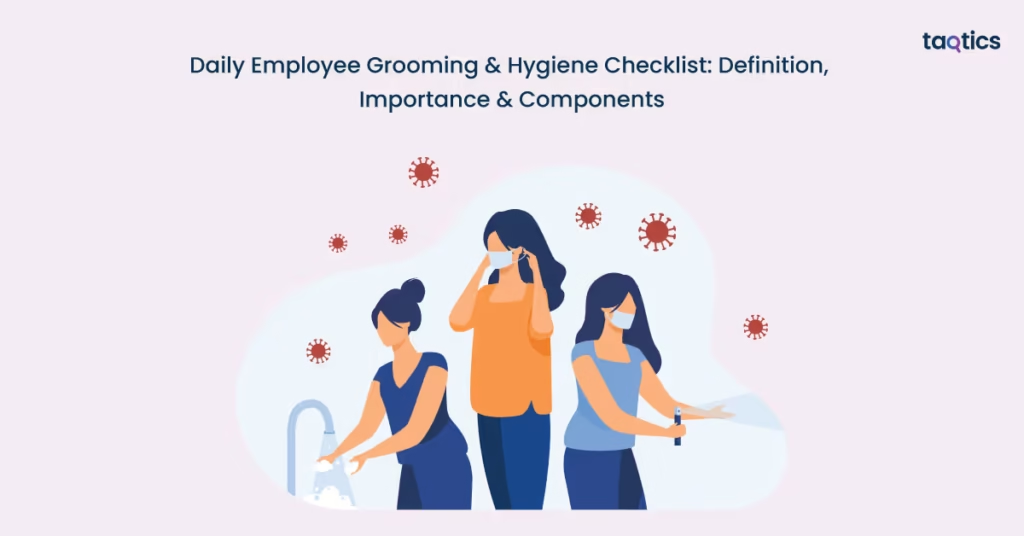
A daily employee grooming and hygiene checklist is a structured guide that outlines the personal grooming and hygiene standards employees must follow every day to maintain a professional and sanitary work environment. The daily employee grooming and hygiene checklist is important because it safeguards food safety, enhances customer trust, and fosters a professional workplace culture. Just like your own morning routine, showering, brushing teeth, wearing clean clothes, and keeping hair neat, this checklist ensures that restaurant or retail staff present themselves in a clean, safe, and consistent manner.
For example, a server handling food with unkempt nails or improper hand hygiene can unintentionally compromise food safety, affecting both customer health and business reputation. According to a 2018 study in the International Journal of Contemporary Hospitality Management, workplaces that implemented structured grooming and hygiene protocols reported a 25% reduction in hygiene-related complaints from customers.
Data from a 2020 Food Safety Magazine report indicates that poor employee hygiene is a contributing factor in up to 40% of minor food contamination incidents in restaurants. By following a daily checklist, establishments can systematically monitor grooming standards, reinforce accountability, and reduce risks associated with poor hygiene, while also promoting a positive and professional brand image.
Download the checklist. Run it like a system.
Get the ready-to-use template, and see how Taqtics captures photo proof, timestamps, and compliance automatically.
What Is a Daily Employee Grooming & Hygiene Checklist?
A daily employee grooming & hygiene checklist is a structured tool that outlines the personal grooming and hygiene standards employees are expected to follow every day. It serves as a practical guide for maintaining cleanliness, professional appearance, and overall workplace safety. This checklist is especially important in industries where employees interact directly with customers or handle food, as lapses in hygiene or grooming can compromise health, safety, and brand reputation.
While grooming refers to the outward appearance and personal care practices that enhance professionalism, such as neat hair, trimmed nails, appropriate uniforms, and clean clothing, hygiene focuses on cleanliness and health practices, including regular handwashing, bathing, oral care, and avoiding practices that spread germs or contamination. By providing clear, actionable standards, it ensures consistency across all staff members and reduces the risk of hygiene-related complaints or incidents.
A daily employee grooming & hygiene checklist is relevant across multiple industries:
- Food Service: Prevents foodborne illnesses and maintains customer trust.
- Healthcare: Reduces cross-contamination and protects patients and staff.
- Hospitality: Ensures staff present a polished, professional image to guests.
- Retail and Office Settings: Promotes a professional, welcoming environment and prevents the spread of illness among employees and clients.
This checklist establishes a consistent standard for personal care, enhancing workplace safety, professionalism, and customer confidence.
Why Is Employee Grooming and Hygiene Important in the Workplace?
Employee grooming and hygiene are important in the workplace because they directly impact safety, professionalism, and overall business performance.
- Workplace Safety: Clean and well-groomed employees reduce the risk of accidents, contamination, or injuries, especially in food service, healthcare, and manufacturing environments.
- Company Image and Branding: Employees who appear professional and well-kept reflect positively on the brand, enhancing credibility and trust among customers and clients.
- Customer Satisfaction: Guests are more likely to have a positive experience when interacting with staff who maintain proper hygiene, as it signals care, attention to detail, and reliability.
- Employee Morale and Professionalism: Following grooming standards fosters a sense of pride and professionalism among staff, encouraging a positive work culture.
- Health and Infection Control: Proper hygiene practices, such as handwashing and clean uniforms, minimize the spread of germs, infections, and illnesses, keeping both staff and customers safe.
By emphasizing grooming and hygiene, organizations can maintain a safer, healthier, and more professional workplace while boosting employee confidence and customer trust.
What Should Be Included in a Daily Employee Grooming & Hygiene Checklist
A daily employee grooming & hygiene checklist should include all the essential practices, attire standards, and workplace habits that ensure employees maintain a clean, professional, and safe appearance every day.
Personal Hygiene and Grooming
Maintaining personal hygiene is critical for employee health, preventing the spread of germs, and creating a professional image. Employees should follow daily routines that ensure they are clean, presentable, and ready for interaction with customers or food preparation:
- Shower Daily: Use soap and deodorant/antiperspirant to control body odor and maintain personal cleanliness.
- Oral Hygiene: Brush teeth at least twice a day and use mouthwash to ensure fresh breath, particularly in customer-facing roles.
- Hair: Keep hair clean, neatly styled, and tied back if long. Facial hair should be trimmed and well-groomed to maintain a professional appearance.
- Nails: Keep fingernails short, clean, and free from dirt. Avoid artificial nails in food-handling areas to reduce contamination risks.
- Skin: Maintain clean skin and cover any cuts or wounds with bandages to prevent infections.
Uniform and Attire
Proper clothing and footwear convey professionalism, maintain safety, and ensure compliance with company standards. Employees should dress in a way that reflects the brand and avoids any hazards or distractions:
- Uniform: Wear clean, pressed, and wrinkle-free uniforms with no stains or tears to maintain a polished appearance.
- Shoes: Ensure footwear is clean, polished, non-slip, and well-maintained to support safety and comfort during shifts.
- Accessories: Limit accessories to small, professional items; avoid strong perfumes or colognes that may affect coworkers or customers.
- Jewelry: Restrict jewelry to essentials, such as a wedding ring, watch, or small earrings, to prevent injury or hygiene issues.
Workplace and Health
Maintaining personal hygiene in conjunction with a clean workspace ensures overall safety and operational efficiency. Employees must follow health practices and keep their work areas organized:
- Handwashing: Wash hands frequently with soap and water, especially after using the restroom, handling waste, or before eating.
- Health: Stay home if contagious, avoid touching the face or hair, and report any illness to prevent spreading infections.
- Workspace: Keep workstations tidy and organized to maintain a professional appearance and reduce hazards.
Specific Guidelines
Additional standards may vary by role, gender, or industry, ensuring consistency and professionalism across all staff:
- For Men: Maintain a clean shave or neatly trimmed beard and mustache, presenting a neat and approachable appearance.
- For Women: Use light, natural makeup and simple hairstyles that do not interfere with tasks; adhere to uniform policies, including hosiery or other dress requirements where applicable.
By including detailed personal hygiene routines, professional attire, workplace cleanliness, and role-specific guidelines, a daily employee grooming & hygiene checklist ensures that employees consistently present a professional, safe, and hygienic image, enhancing both workplace standards and customer confidence.
Are There Industry-Specific Grooming and Hygiene Requirements?
Yes, there are industry-specific grooming and hygiene requirements that vary depending on the nature of the work, level of customer interaction, and safety regulations.
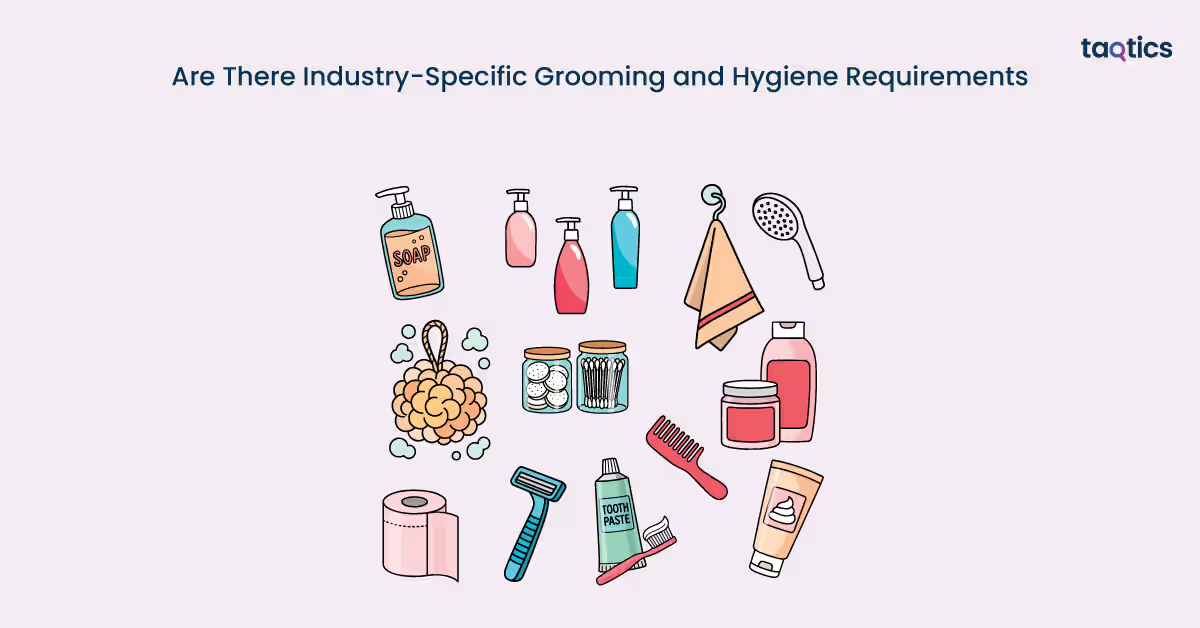
- Food Industry: Employees must wear hair nets or caps, gloves, and clean uniforms. Nail polish, artificial nails, and jewelry are generally prohibited in food-handling areas to prevent contamination. Frequent handwashing is mandatory to maintain food safety.
- Healthcare: Staff wear scrubs, maintain short, clean nails, and sanitize hands frequently. Personal hygiene standards are critical to prevent infections and protect patients. Hair should be tied back, and minimal jewelry is allowed to avoid interference with medical procedures.
- Corporate Offices: Business attire and professional grooming are emphasized, especially for client-facing roles. Employees should maintain a clean and polished appearance, neat hairstyles, and appropriate accessories to reflect the company’s image.
- Hospitality: Uniform standards, personal cleanliness, and a well-groomed appearance are required for front-of-house staff. Employees must present themselves in a way that enhances customer trust and aligns with the brand’s professionalism.
- Construction/Industrial: Safety gear cleanliness, proper footwear, and adherence to protective equipment standards are essential. Facial hair may be restricted to ensure proper fit of respirators or masks, and personal hygiene is important in shared facilities to prevent workplace illnesses.
Following these industry-specific grooming and hygiene requirements ensures safety, professionalism, and compliance while enhancing the overall reputation and operational efficiency of the organization.
How Can Employers Communicate Grooming Standards Effectively?
Employers can communicate grooming standards effectively by using clear, consistent, and accessible methods that ensure all employees understand expectations and can follow them daily.
- Employee Handbooks: Include detailed grooming and hygiene policies in the handbook provided to all employees. This serves as an official reference for standards, expectations, and consequences for non-compliance.
- Onboarding and Training Programs: Introduce grooming and hygiene requirements during orientation and reinforce them through regular training sessions. Practical demonstrations and examples help employees understand proper practices.
- Visual Posters/Checklists in Break Rooms: Display easy-to-follow grooming and hygiene reminders in employee areas to reinforce daily routines, such as handwashing, uniform standards, or personal grooming tips.
- Performance Evaluations: Include adherence to grooming and hygiene standards in regular performance reviews. Recognizing compliance or addressing lapses ensures accountability and reinforces their importance.
By combining written policies, training, visual reminders, and performance monitoring, employers can create a culture of professionalism and hygiene that is understood, followed, and sustained across the workplace.
Can Employers Enforce Grooming and Hygiene Policies Legally?
Yes, employers can enforce grooming and hygiene policies legally as long as the policies are applied consistently, reasonably, and in compliance with applicable laws.
- Legal Considerations: Policies must comply with anti-discrimination laws (e.g., Title VII in the U.S.) and respect religious or cultural practices, such as hair, head coverings, or facial hair accommodations. Policies should focus on health, safety, and professionalism rather than personal appearance unrelated to job performance.
- Respectful Enforcement: Communicate expectations clearly and provide guidance rather than punishment initially. Address violations privately, avoid singling out employees publicly, and use consistent language to maintain fairness.
- Documentation and HR Policy Alignment: Keep records of grooming and hygiene policies, employee acknowledgments, and any corrective actions taken. Align policies with the HR handbook and include them in onboarding to ensure employees are aware of standards and consequences.
By following these principles, employers can enforce grooming and hygiene policies legally, fairly, and respectfully, maintaining workplace standards while protecting employee rights.
How Can Employees Self-Assess Their Grooming and Hygiene?
Employees can self-assess their grooming and hygiene by using structured methods that help them maintain consistent personal care, professionalism, and workplace hygiene.
- Printable/Self-Checklist: Use a daily checklist that covers essential grooming and hygiene tasks, such as showering, oral care, uniform cleanliness, and handwashing. Checking off tasks each day ensures nothing is overlooked.
- Daily Reminders or Morning Routines: Establish consistent morning routines with reminders to review appearance and hygiene before starting a shift. This helps employees develop habits that become second nature.
- Using Feedback Constructively: Accept feedback from peers, supervisors, or managers regarding grooming or hygiene in a professional manner. Constructive input can highlight areas for improvement and reinforce compliance with workplace standards.
By combining checklists, consistent routines, and openness to feedback, employees can maintain high grooming and hygiene standards, fostering a professional and safe work environment.
What Are Examples of a Daily Grooming & Hygiene Checklist?
The examples of a daily grooming and hygiene checklist include practical, easy-to-follow lists that employees and supervisors can use to ensure daily standards are consistently met.
- Employee Version: Focused on personal daily habits and attire, this checklist may include:
- Showered and applied deodorant/antiperspirant
- Brushed teeth and used mouthwash
- Hair clean, styled, and away from face
- Nails trimmed and clean; no artificial nails in food-handling areas
- Uniform clean, pressed, and free from stains
- Shoes polished and in good condition
- Minimal accessories and appropriate jewelry
- Hands washed regularly throughout the day
- Workspace kept tidy and organized
- Supervisor/Manager Version: Designed to help monitor and reinforce employee compliance, this version may include:
- Verify employee uniforms are clean and worn correctly
- Confirm handwashing and hygiene routines are followed
- Check grooming standards such as hair, nails, and facial hair
- Observe and provide feedback on adherence to workplace cleanliness standards
- Record any issues or corrective actions in logs
A downloadable PDF version of these checklists can be provided for both employees and supervisors, allowing for daily use, easy tracking, and documentation.
Download the checklist. Run it like a system.
Get the ready-to-use template, and see how Taqtics captures photo proof, timestamps, and compliance automatically.
How Can Managers Address Hygiene or Grooming Issues Tactfully?
Managers can address hygiene or grooming issues tactfully by approaching the situation with sensitivity, privacy, and a focus on constructive outcomes.
- Scripts or Sample Dialogues: Use polite, clear, and non-confrontational language when addressing issues.
- Privacy Considerations: Address the employee privately, away from coworkers, to avoid embarrassment. Confidential conversations help employees feel respected and more receptive to feedback.
- Positive Reinforcement vs. Disciplinary Action: Start with encouragement and guidance, emphasizing improvement rather than punishment. Recognize employees who consistently follow grooming and hygiene standards to reinforce positive behavior. Reserve disciplinary measures only if issues persist despite repeated guidance.
By combining tactful communication, private conversations, and a balance of feedback and recognition, managers can maintain workplace standards while fostering a respectful and professional environment.
Can you fire someone for bad hygiene?
Yes, an employer can terminate an employee for consistently poor hygiene, but it must be done carefully and legally. Poor personal hygiene can affect workplace safety, customer perception, and overall professionalism.
- Consistency and Documentation: Employers should document repeated hygiene violations and attempts to correct the behavior, including warnings, counseling sessions, or corrective actions.
- Clear Policies: The employee must have been informed of grooming and hygiene standards through the employee handbook, onboarding, or training. Policies should be reasonable, job-related, and consistently enforced across staff.
- Legal and Medical Considerations: Termination cannot violate anti-discrimination laws (e.g., relating to disability, religion, or medical conditions). Employers should consider accommodations if poor hygiene is due to a medical condition or disability.
- Progressive Discipline: Ideally, employers should follow a progressive discipline approach, verbal warning, written warning, and final notice, before considering termination.
In short, poor hygiene can be grounds for termination if it affects job performance or workplace safety, but employers must act fairly, document the issue, and comply with applicable laws to avoid legal liability.
About the Author