Back of House (BOH) Checklist: Definition, Components & How Taqtics Can Help
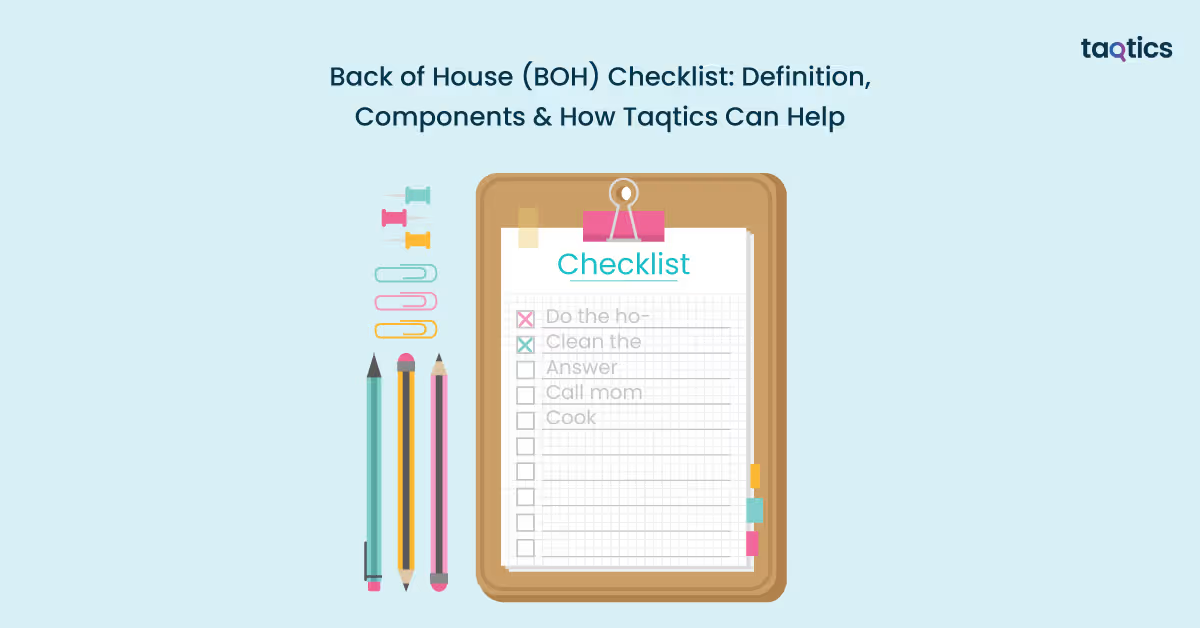
Back of House (BOH) Checklist defines the structured set of tasks and standards that guide kitchen operations, food safety, hygiene, inventory control, and staff coordination behind the scenes. Back of House (BOH) Checklist is especially critical because operational lapses in kitchens can have serious consequences. The CDC reported in 2018 that foodborne illnesses affect 48 million people annually in the U.S., highlighting the importance of consistent BOH execution.
Beyond safety, a well-implemented BOH checklist improves efficiency, reduces waste, and supports compliance with regulatory and brand standards. According to National Restaurant Association data (2022), food and labor inefficiencies are among the top cost drivers in restaurant operations, making disciplined BOH processes essential. Digital platforms like Taqtics help restaurants standardize BOH checklists, automate compliance, and maintain real-time visibility, ensuring kitchens operate smoothly, safely, and at scale.
What is Back of House (BOH) Checklist?
Back of House checklist is a structured list of tasks, standards, and procedures that guide all non-guest-facing operations in a restaurant or hospitality business. It focuses on how the kitchen and support areas function behind the scenes to ensure food quality, safety, and operational efficiency—complementing the guest-facing role of the Front of House (FOH).
Back of House (BOH) and Front of House (FOH) represent two distinct but tightly connected sides of restaurant operations.
- FOH covers all guest-facing activities such as greeting, seating, order taking, service, and billing—everything a customer directly sees and experiences. In contrast, BOH operates behind the scenes and includes food preparation, cooking, dishwashing, inventory storage, cleaning, and equipment maintenance.
- While FOH focuses on service quality and presentation, BOH ensures efficiency, hygiene, food safety, and compliance. Both functions must work in sync, but BOH forms the operational backbone that enables FOH teams to deliver a smooth and consistent guest experience.
A BOH checklist clearly defines responsibilities for each kitchen role, helping teams stay coordinated during high-pressure service hours and shift changes.
Typical BOH checklist areas include:
- Food preparation and recipe consistency
- Cooking station setup and shutdown
- Cleaning and sanitization of surfaces and equipment
- Dishwashing and waste disposal
- Inventory storage, labeling, and stock rotation
- Temperature monitoring and equipment checks
By assigning tasks by role and timing, BOH checklists reduce confusion and improve accountability.
Efficiency, cleanliness, and compliance are the pillars of a successful Back of House operation, directly impacting food quality, guest safety, and overall profitability. A well-maintained BOH checklist ensures that kitchens run smoothly, tasks are completed on time, and hygiene standards are consistently met. By controlling waste, reducing errors, and adhering to regulatory requirements, BOH teams can deliver consistent, high-quality food while protecting both the brand’s reputation and the guest experience.
What Should Be Included In A Back Of House (BOH) Checklist?
A back of house checklist should include preparation (prep), line checks, storage, temperature verification, labeling, waste management, and sanitation verification. Each area plays a critical role in maintaining consistent food quality, compliance, and operational discipline.
Preparation (Prep)
The prep stage sets the foundation for smooth service. A detailed checklist ensures that all stations are stocked and ready for the day.
Key points include:
- Mise en Place: All stations stocked with prepped ingredients such as chopped vegetables, sauces, and proteins.
- Restocking: Condiments, toppings, and other frequently used supplies are replenished to avoid service delays.
- Equipment Check: Verify that tools like slicers, blenders, and mixers are clean, functional, and ready for use.
Line Checks
Line checks focus on ensuring that food quality and holding standards are maintained during service.
Checklist elements include:
- Product Quality: Confirm freshness, proper portioning, and correct appearance of prepared items.
- Holding Temperatures: Hot foods maintained above 135°F (57°C) and cold foods below 41°F (5°C).
- Gaskets/Seals: Check that fridge and warmer doors are clean, sealed, and functioning properly.
Storage
Proper storage ensures food safety and minimizes waste while maintaining kitchen organization.
Tasks to include:
- Labeling & Dating: All items clearly marked with contents, date prepared/opened.
- FIFO (First-In, First-Out): Older items used before newer ones to prevent spoilage.
- Cleanliness: Shelves, containers, and storage areas sanitized regularly.
Temperature Verification
Regular temperature checks prevent foodborne illnesses and maintain regulatory compliance.
Key actions:
- Fridge/Freezer Temps: Logged daily to ensure they meet safety standards.
- Hot Holding: Confirm holding units maintain safe temperatures throughout service.
- Cooling/Reheating: Follow proper procedures to bring food to safe serving temperatures.
Labeling
Accurate labeling prevents cross-contamination and ensures proper food rotation.
Checklist items include:
- Day Dots/Labels: Applied consistently on all prepared foods.
- Correct Info: Each label includes item name, preparation date, and discard/use-by date.
Waste Management
Proper waste management is critical for hygiene, efficiency, and cost control.
Tasks to cover:
- Food Waste: Dispose of food safely to avoid contamination.
- Trash/Recycling: Bins emptied regularly and cleaned to prevent odors or pests.
- Expired Items: Identify and discard expired or spoiled items safely.
Sanitation Verification
Maintaining a clean kitchen reduces contamination risk and ensures compliance with health regulations.
Checklist elements include:
- Sanitizer Buckets: Concentration checked regularly (e.g., with test strips).
- Surfaces: Wipe down and sanitize counters, cutting boards, and prep areas.
- Equipment: Deep clean grills, fryers, and other equipment as scheduled.
- Floors: Sweep and mop to maintain overall cleanliness and safety.
A comprehensive BOH checklist ensures that every step of kitchen operations is standardized, safe, and efficient. By including these areas, kitchens can maintain high food quality, comply with safety regulations, reduce waste, and create a structured workflow that supports both staff and guest satisfaction.
How Can Taqtics Help Streamline BOH Operations And Checklists?
Taqtics helps streamline BOH operations and checklists by digitizing and automating kitchen workflows, compliance tasks, and operational routines so restaurants can maintain high standards of food safety, efficiency, and consistency across every shift and location. Rather than relying on paper checklists or manual tracking, Taqtics centralizes BOH task management into a mobile‑ready platform that supports real‑time execution, oversight, and actionable insights.
With mobile accessibility and real‑time tracking, Taqtics enables both kitchen and management teams to work with clarity and accountability—reducing errors and ensuring BOH processes are consistently followed.
Key Features That Streamline BOH Operations
- BOH Checklist Automation: Create and schedule BOH checklists for prep, hygiene, food safety, temperature logs, storage protocols, and sanitation. Taqtics triggers automated reminders and enforces time‑bound tasks so nothing is missed even during busy service periods.
- Real‑Time Tracking, Reporting, and Accountability: Managers get live visibility into task completion and compliance across locations. Geo‑fenced checklists, timestamped entries, and optional photo proof support accountability and help validate execution without manual follow‑ups. Dashboards and reports highlight trends, recurring gaps, and areas for improvement.
- Multi‑Location Oversight for Restaurant Groups: Taqtics enables HQ and regional leadership to monitor BOH operations across all outlets from a central dashboard. Whether it’s hygiene audits, temperature checks, or daily kitchen prep, restaurant groups can scale standards without scaling oversight effort or travel between stores.
“Taqtics helped us digitize SOPs, cut down errors, and bring consistency across all our locations. It’s a real game changer!” — Jitender, General Manager, Pizza Express – UAE.
By combining automation, real‑time insights, and mobile‑first accessibility, Taqtics empowers kitchen teams to perform better while giving leadership the tools to monitor, coach, and improve BOH processes with confidence.
What Are The Best Practices For BOH Checklist Compliance And Training?
The best practices for BOH checklist compliance and training are designed to ensure that kitchen operations are consistent, safe, and efficient while empowering staff to execute their responsibilities effectively.
Staff Onboarding and Checklists
Proper onboarding sets the foundation for long-term compliance:
- Introduce new hires to BOH standards, hygiene protocols, and equipment usage.
- Use digital or printed checklists during training to guide hands-on practice.
- Assign specific responsibilities to roles to create clarity and accountability from day one.
Daily Huddles and Accountability
Daily team interactions help reinforce standards and address issues in real time:
- Conduct pre-shift huddles to review tasks, menu changes, or special instructions.
- Highlight critical checklist items for the day and assign responsibility.
- Encourage staff to report issues immediately and track follow-up actions.
Audit-Readiness and Digital Logs
Maintaining accurate records improves compliance and simplifies inspections:
- Log completed checklist items digitally, including timestamps and optional photo evidence.
- Store historical records for audit purposes, internal reviews, or regulatory inspections.
- Use dashboards to track completion rates, recurring gaps, and overall BOH performance.
Continuous Improvement Loops
Regular evaluation of checklist execution fosters operational excellence:
- Review compliance data to identify patterns or recurring issues.
- Update checklists and processes based on feedback or observed inefficiencies.
- Provide refresher training or coaching sessions to address knowledge gaps.
By implementing these practices, restaurants can ensure that BOH checklists are not just completed but followed effectively, improving food safety, operational efficiency, and overall kitchen performance.
What Are The Most Common BOH Inspection Violations And How To Avoid Them?
The most common BOH inspection violations include issues related to food safety, hygiene, and operational procedures.
Real-world examples often seen in inspections include: improperly stored or unlabeled food, cold-holding temperatures above safe limits, dirty or cross-contaminated cutting boards, expired ingredients still in use, pest activity, and staff not following proper handwashing protocols. These violations not only risk regulatory fines but can also impact food quality and guest safety.
To avoid these common BOH violations, restaurants can implement the following measures:
- Proper Storage & Labeling: Use clear labels with preparation and expiration dates, and follow FIFO (First-In, First-Out) inventory management.
- Temperature Control: Regularly monitor fridges, freezers, and hot-holding units to ensure foods are stored at safe temperatures.
- Sanitation & Cleaning: Maintain daily cleaning schedules for surfaces, equipment, and floors; sanitize cutting boards, knives, and utensils between uses.
- Staff Training & Hygiene: Train staff on proper handwashing, glove use, and food handling procedures; reinforce standards during onboarding and daily huddles.
- Regular Prep & Line Checks: Conduct pre-shift, mid-shift, and post-shift inspections to catch issues early and maintain consistent execution.
- Pest Prevention: Seal entry points, store dry goods properly, and schedule regular pest control inspections.
Tools for compliance alerts can make prevention far easier. Platforms like Taqtics automate BOH checklist completion, send real-time alerts for missed tasks, log evidence of compliance, and generate reports for audits, helping kitchens stay inspection-ready and minimize violations.
How Do You Organize A Commercial Kitchen Back Of House?
You can organize a commercial kitchen back of house (BOH) effectively with a well-structured BOH, which reduces errors, minimizes waste, and ensures staff can work quickly and safely.
Define Zones and Workstations
Divide the kitchen into functional areas to streamline workflow:
- Prep Station: For washing, cutting, and preparing ingredients (mise en place).
- Cooking Line: For hot food production, including grills, fryers, and stoves.
- Plating/Expediting Station: Where food is assembled, garnished, and checked before service.
- Cold Station: For salads, desserts, and chilled items.
- Dishwashing Area: Separate space for cleaning dishes, utensils, and cookware.
- Storage Areas: Dry storage, refrigeration, and freezer units clearly organized by type.
Implement Logical Workflow
Arrange stations so ingredients and tools move efficiently from prep to service:
- Place prep stations near storage for easy access to raw materials.
- Cooking lines should be close to expediting/serving areas to reduce wait time.
- Minimize cross-traffic to prevent collisions and contamination risks.
Labeling and Inventory Management
Proper organization reduces waste and ensures compliance:
- Use clear labels with item name, prep date, and discard/use-by date.
- Arrange storage using FIFO (First-In, First-Out) to use older ingredients first.
- Maintain organized shelving, bins, and racks for easy retrieval.
Equipment and Tools Organization
Keep tools and equipment in designated, accessible areas:
- Group knives, cutting boards, utensils, and small appliances by station.
- Keep frequently used items within reach and less-used items stored safely.
- Schedule regular maintenance for larger equipment like ovens, fryers, and refrigerators.
Cleanliness and Sanitation
A clean BOH reduces contamination and improves efficiency:
- Maintain daily cleaning schedules for surfaces, floors, and equipment.
- Keep sanitizer buckets, cleaning supplies, and gloves easily accessible.
- Conduct spot checks and ensure staff follow hygiene protocols consistently.
Communication and Accountability
Organize the BOH so everyone knows their roles and responsibilities:
- Post station assignments, checklists, and SOPs for clarity.
- Hold daily huddles to review tasks, specials, and potential challenges.
- Use digital tools like Taqtics to assign tasks, track completion, and log compliance.
By organizing a commercial kitchen with defined zones, logical workflows, clear labeling, well-placed equipment, and sanitation protocols, restaurants can operate efficiently, maintain high food safety standards, and deliver consistent quality to guests.
What Is FIFO In Kitchen Management?
FIFO in kitchen management stands for “First-In, First-Out”, a method used to rotate inventory so the oldest items are used before newer stock. It is essential for maintaining food safety, reducing waste, and ensuring consistent quality in commercial kitchens.
By following FIFO, kitchens can prevent spoilage, control costs, and keep operations organized.
- Proper labeling: Each ingredient is marked with the date it was received or prepared.
- Organized storage: Older items are placed at the front of fridges, freezers, or shelves, and newer items at the back.
- Consistent use: Kitchen staff use items in the order they were received, following the rotation system during service.
The benefits of FIFO include the following.
- Reduces food waste by preventing ingredients from expiring.
- Maintains the freshness and quality of dishes served to guests.
- Ensures compliance with food safety and health regulations.
- Simplifies inventory management and helps track usage patterns.
FIFO is a simple but critical practice that keeps kitchens efficient, safe, and consistent while supporting high-quality food service.
About the Author