Allergen Control Checklist: Definition, Importance & Core Components
Allergen Control Checklist is a critical tool for food establishments to manage and minimize the risk of allergen exposure. Allergen Control Checklist helps staff systematically identify potential allergen sources, implement preventive measures, and ensure safe food handling practices. Just as a home cook carefully cleans cutting boards and knives between preparing peanuts and other foods for a family member with allergies, restaurants must have structured processes to prevent cross-contact between allergenic and non-allergenic ingredients.
Cross-contact and hidden allergens remain a major concern in food safety. According to a 2023 study by Turner et al., published in Clinical & Experimental Allergy, accidental allergen exposure accounts for nearly 30% of food allergy incidents in public dining settings. Without a formal Allergen Control Checklist, restaurants risk customer health, legal consequences, and reputational damage. Implementing such a checklist ensures that allergen labeling, staff training, ingredient handling, and cleaning protocols are consistently followed, safeguarding both patrons and the business.
What Is an Allergen Control Checklist?
An allergen control checklist is a structured document used by food establishments to systematically identify, manage, and prevent allergen-related risks throughout food production and service. Its primary purpose is to ensure that allergenic ingredients are properly labeled, stored, and handled to prevent cross-contact, safeguarding consumers with food allergies.
This checklist is essential for chefs, kitchen staff, food handlers, and quality assurance teams. It guides them in implementing consistent procedures, from ingredient receipt and storage to preparation, cooking, and serving, so that allergen contamination is minimized. By using the checklist, food businesses can maintain compliance with food-safety regulations, protect customer health, and reduce the risk of allergic reactions and legal liability.
Why Is Allergen Control Important in the Food Industry?
Allergen control is important in the food industry because it protects consumers from severe allergic reactions, ensures regulatory compliance, and safeguards a business’s reputation. Food allergies affect a significant portion of the population. Proper allergen control minimizes these risks through careful handling and labeling of allergenic ingredients.
- Protects Consumer Health: Prevents accidental exposure to allergens that can cause mild to life-threatening reactions.
- Ensures Regulatory Compliance: Meets legal requirements for labeling, storage, and handling of allergenic ingredients.
- Reduces Risk of Food Recalls: Prevents costly recalls due to undeclared allergens, which are common in the food industry.
- Maintains Brand Reputation: Demonstrates commitment to food safety, building consumer trust and loyalty.
- Minimizes Legal Liability: Protects businesses from lawsuits and penalties related to allergic incidents.
- Enhances Operational Consistency: Structured allergen control improves staff training, procedures, and monitoring across the organization.
According to a 2022 study by Sicherer & Sampson published in The Journal of Allergy and Clinical Immunology, around 8% of children and 4% of adults worldwide have food allergies, with accidental exposure being a leading cause of emergency visits.
What Should Be Included in an Effective Allergen Control Checklist?
An effective allergen control checklist should include several critical areas covering the entire food-handling process, from ingredient receipt to serving customers.
Pre-Production and Storage
Proper allergen management begins before production. Inventory, supplier monitoring, storage, and packaging practices are key to preventing cross-contact.
- Inventory and Labels: Maintain a comprehensive list of all allergens and check that all raw materials are properly labeled with allergen information, verifying labels every time a new order is received.
- Supplier Monitoring: Regularly confirm with suppliers the allergen status of their materials.
- Storage: Store ingredients in sealed, labeled containers. Keep allergenic items separate in designated areas, using color-coded boxes or marked floors if needed.
- Packaging: Follow standardized recipes and avoid ingredient substitution that could introduce allergens.
Production and Cleaning
During production, scheduling, equipment use, and effective cleaning protocols reduce the risk of cross-contact.
- Scheduling: Plan production lines to run non-allergenic products before allergenic ones.
- Dedicated Equipment: Use dedicated scoops, utensils, and other equipment for specific allergens.
- Changeover Procedures: Follow validated cleaning procedures during allergen changeovers.
- Cleaning Verification: Monitor and verify that cleaning protocols are effective.
- Ingredient Substitution: Exercise caution when substituting ingredients or introducing new ones that could add allergens.
Staff and Customer Management
Staff awareness and clear customer communication are essential to preventing allergen exposure.
- Training: Ensure all food-handling staff receive comprehensive allergen awareness training.
- Customer Communication:
- Ask customers about food allergies and handle requests carefully.
- Clearly communicate allergen information on menus or through accessible channels.
- Remind customers to inform staff about any allergies and respond accurately to their inquiries.
Verification and Documentation
Regular verification and thorough documentation help maintain the effectiveness of allergen controls.
- Record Keeping: Keep detailed records of recipe changes and other relevant operational information.
- Validation: Conduct validation studies and periodic finished-product testing to ensure control measures are effective.
- Documentation: Maintain comprehensive records of the entire allergen management plan, including monitoring, inspections, and corrective actions.
This structured approach ensures that allergen risks are minimized at every stage, from receiving ingredients to serving the customer, supporting both food safety and regulatory compliance.
What Are the Major Food Allergens You Must Control?
The major food allergens you must control are those that cause the majority of allergic reactions and are recognized by food-safety authorities worldwide. Effective control of these allergens is critical for protecting consumers and ensuring regulatory compliance.
The “Big 9” Allergens (per FDA)
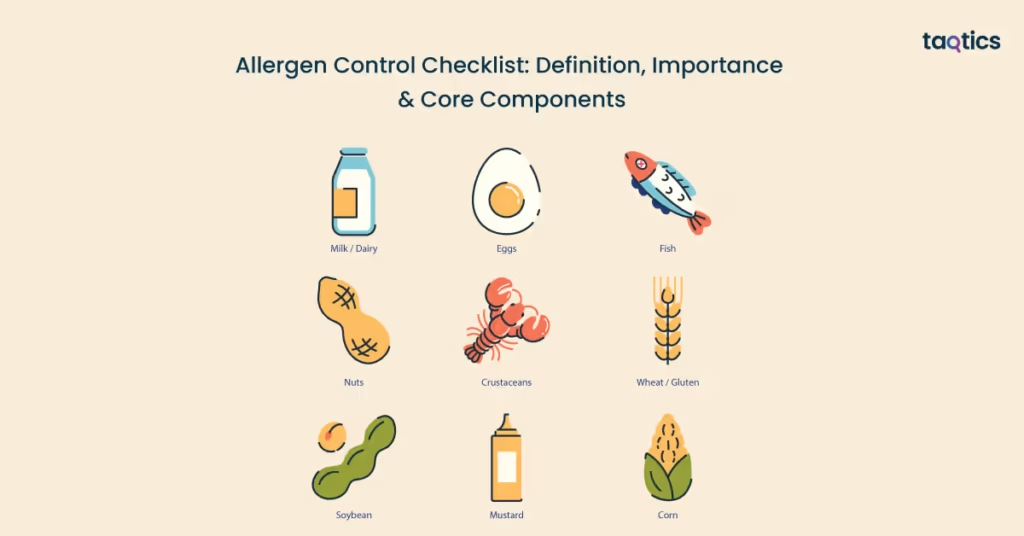
According to the U.S. Food and Drug Administration (FDA), the most common allergens, often referred to as the “Big 9,” include:
- Milk
- Eggs
- Fish (e.g., bass, flounder, cod)
- Shellfish (e.g., crab, lobster, shrimp)
- Tree Nuts (e.g., almonds, walnuts, cashews)
- Peanuts
- Wheat
- Soybeans
- Sesame
Country-Specific Allergen Regulations
Other regions may have additional allergen requirements. For example, the European Union recognizes 14 allergens, including the FDA’s Big 9 plus celery, mustard, lupin, mollusks, and sulfites. Restaurants and food manufacturers must be aware of the regulations specific to the countries where they operate to ensure accurate labeling and safe food handling.
By focusing on these major allergens and adhering to local regulatory requirements, food businesses can prevent accidental exposure and protect customers with food allergies.
How Do You Identify Allergen Risks in Your Facility?
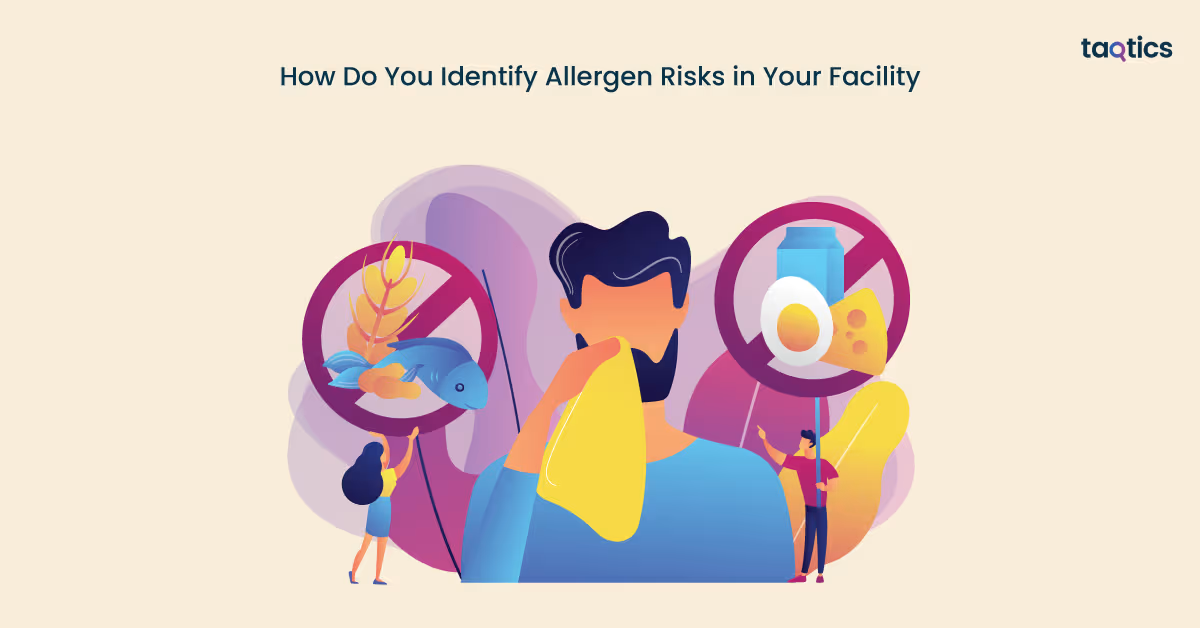
You can identify allergen risks in your facility by systematically assessing every stage of your food-handling process to pinpoint where allergens could be introduced, spread, or come into contact with non-allergenic foods.
Conduct an Allergen Risk Assessment
Start by reviewing all ingredients, recipes, and suppliers to determine which allergens are present in your facility. Assess the likelihood and severity of exposure for each allergen to prioritize control measures.
Map Allergen Flow in Processes
Analyze the movement of ingredients through your kitchen or production line, from receiving and storage to preparation, cooking, and serving. Mapping allergen flow helps visualize where cross-contact could occur and where controls should be implemented.
Identify Potential Cross-Contact Points
Look for areas where allergens might unintentionally mix with non-allergenic foods, such as shared utensils, cutting boards, fryers, storage shelves, or preparation surfaces. Staff practices, like using the same gloves or containers for different ingredients, should also be examined.
By combining these steps, restaurants and food manufacturers can create a clear picture of allergen risks and implement targeted measures to minimize the chance of accidental exposure.
How Can You Prevent Allergen Cross-Contact?
You can prevent allergen cross-contact by designing your facility, processes, and staff practices to minimize the chance of allergens coming into contact with non-allergenic foods.
- Facility Layout Considerations: Organize your kitchen or production areas to physically separate allergenic ingredients from non-allergenic ones. Designated zones for preparation, cooking, and storage can significantly reduce accidental contact.
- Dedicated Equipment and Tools: Use separate utensils, cutting boards, mixers, and cookware for allergenic and non-allergenic foods. Where possible, assign equipment exclusively for certain allergens to eliminate the risk of cross-contact.
- Color-Coding Systems: Implement color-coded tools, containers, and labels to easily distinguish between allergen-specific and general-use items. This visual system helps staff quickly identify the correct equipment, reducing mistakes during busy operations.
- Airborne Allergen Control Strategies: Prevent allergens from spreading through the air by using proper ventilation, covering ingredients during storage and prep, and maintaining clean surfaces. Minimizing dust, flour, or powdered ingredient exposure can reduce the risk of airborne contamination.
By combining these strategies, food establishments can significantly reduce the likelihood of allergen cross-contact and maintain a safer environment for all customers.
What Are the FDA and GFSI Requirements for Allergen Control?
The FDA and GFSI requirements for allergen control provide structured guidance for food businesses to prevent allergen-related risks and ensure consumer safety. Compliance with these standards is essential for regulatory adherence and certification.
FDA Requirements
Under the Food Safety Modernization Act (FSMA) – Preventive Controls for Human Food, food facilities are required to identify known allergens in their products, implement preventive controls, and maintain documentation demonstrating compliance. This includes:
- Maintaining accurate records of ingredient sourcing and allergen labeling
- Implementing processes to prevent cross-contact during storage, handling, and production
- Conducting verification and monitoring activities to ensure allergen controls are effective
The FDA also enforces labeling requirements for the “Big 9” allergens (milk, eggs, fish, shellfish, tree nuts, peanuts, wheat, soybeans, and sesame) under the Food Allergen Labeling and Consumer Protection Act (FALCPA).
GFSI-Allergen Management Requirements
Certification schemes benchmarked by the Global Food Safety Initiative (GFSI), such as SQF, BRCGS, and FSSC 22000, include specific allergen management requirements:
- SQF (Safe Quality Food): Requires a documented allergen program, staff training, control of allergen cross-contact, and routine audits.
- BRCGS (Brand Reputation Compliance Global Standard): Mandates allergen risk assessments, labeling verification, and validated cleaning procedures.
- FSSC 22000: Focuses on hazard analysis, allergen risk management, and documentation to prevent cross-contact and ensure traceability.
By adhering to FDA regulations and GFSI-certified standards, food businesses can ensure robust allergen controls, reduce the risk of customer exposure, and maintain compliance with global food safety requirements.
What Should You Do During an Allergen Recall or Incident?
During an allergen recall or incident, prompt action is crucial to protect consumers and maintain compliance with food safety regulations.
- Stop distribution immediately: Remove affected products from shelves, storage, and production lines.
- Notify authorities and stakeholders: Inform regulatory agencies, suppliers, and affected customers as required.
- Isolate and identify affected products: Clearly mark and separate recalled items to prevent accidental use.
- Investigate the source: Determine how the allergen issue occurred, whether through labeling, cross-contact, or ingredient substitution.
- Communicate with staff and customers: Provide clear instructions on handling the incident and next steps.
- Document all actions: Maintain detailed records of the recall process for regulatory compliance and future prevention.
Consistent vigilance and proactive measures make allergen management an integral part of a successful and responsible food operation.
How Often Should You Review and Update Your Allergen Control Checklist?
You should review and update your allergen control checklist regularly to ensure it reflects current ingredients, processes, and regulations.
- At least annually: Conduct a full review of all procedures, ingredients, and staff practices.
- Whenever recipes or suppliers change: Update the checklist to account for new allergens or ingredient substitutions.
- After an incident or near-miss: Revise procedures based on lessons learned from allergen exposures or customer complaints.
- Following regulatory updates: Ensure compliance with FDA, GFSI, or local allergen regulations.
Regularly reviewing and updating your checklist keeps allergen management effective, reduces the risk of cross-contact, and reinforces a culture of food safety and customer protection within your establishment.
About the Author