EHO Food Hygiene Inspection Checklist: Definition, Importance & Components
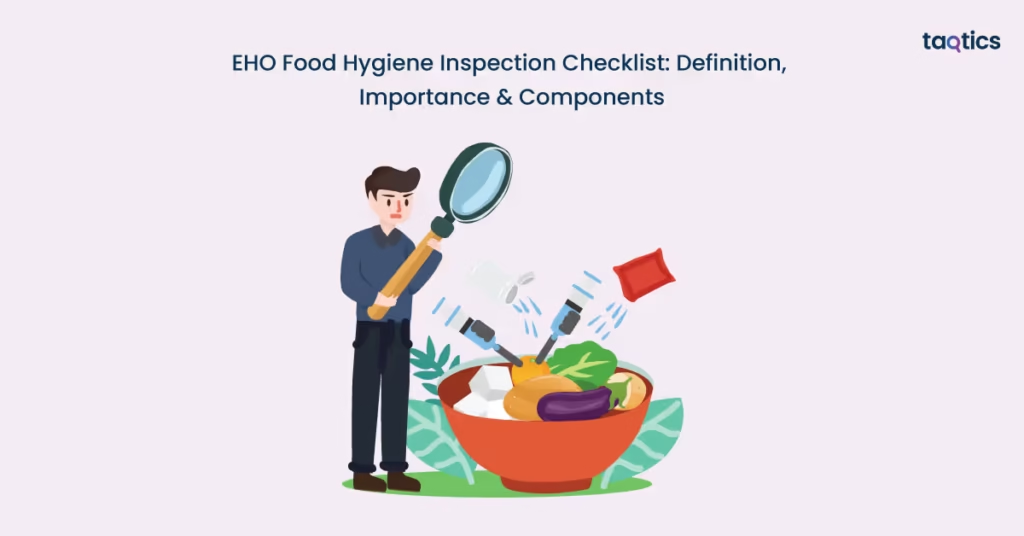
EHO food hygiene inspection checklist provides a structured framework for environmental health officers and inspectors in India to assess hygiene and safety standards at food premises, from kitchens to storage and service, ensuring safe handling, preparation, and storage of food. EHO food hygiene inspection checklist helps flag potential risks, like contamination, poor sanitation, or pest infestations, similar to how a household might check its refrigerator regularly for expired items and ensure leftovers are stored in sealed containers to prevent spoilage and illness.
The need for such systematic hygiene inspections in India is backed by substantial data. Each year, the country sees an estimated 100 million cases of foodborne illnesses and around 120,000 deaths attributable to unsafe food per an MDPI report. According to the World Health Organization and national surveillance programs, outbreaks of foodborne and acute diarrheal diseases accounted for nearly half of all reported infectious‑disease outbreaks between 2011 and 2017, underscoring the magnitude of hygiene‑related risks in food services.
By systematically evaluating food establishments against hygiene criteria covering cleanliness, staff hygiene, temperature control, pest management and record‑keeping, the checklist becomes essential to reducing contamination risks, protecting public health, and ensuring compliance with regulatory standards in the Indian context.
What Is EHO Food Hygiene Inspection Checklist?
An Environmental Health Officer (EHO) food hygiene inspection checklist is a structured tool used by EHOs to systematically assess and monitor the hygiene and safety standards of food premises. It provides a clear framework to evaluate whether food handling, preparation, storage, and service processes comply with food-safety regulations and best practices.
The purpose of the checklist includes the following:
- Ensures that food businesses adhere to local hygiene and safety regulations, such as the Food Safety and Standards Authority of India (FSSAI) guidelines.
- Identifies potential hazards like cross-contamination, poor sanitation, pest infestations, or improper storage temperatures.
- Verifies that staff are following proper hygiene practices, including handwashing, uniform standards, and safe food-handling procedures.
- Serves as a documented record for audit, inspection, and compliance purposes, helping both the inspector and business maintain accountability.
By using this checklist, EHOs can systematically pinpoint risks, enforce corrective measures, and ensure that food premises maintain high standards of hygiene, ultimately protecting public health and reducing the incidence of foodborne illness.
Why Is EHO Inspections Checklist Important?
The EHO inspections checklist is important because it ensures that food businesses comply with legal standards, maintain high hygiene levels, and protect public health.
- Laws governing food hygiene inspections: EHO inspections in India are guided by regulations under the Food Safety and Standards Act, 2006, enforced by the FSSAI. These laws set clear standards for food safety, handling, storage, and cleanliness that all food businesses must follow.
- Food Hygiene Rating Scheme (FHRS): The FHRS provides a standardized rating system that reflects a food business’s compliance with hygiene standards. Inspections using a checklist directly influence these ratings, which are often displayed publicly to inform consumers.
- Impact on a business’s hygiene rating: Regular inspections and adherence to the checklist help businesses maintain or improve their hygiene rating. A higher rating enhances customer trust, can boost sales, and reduces the risk of fines, closures, or reputational damage due to poor hygiene practices.
The EHO inspection checklist is a vital tool for systematically evaluating hygiene, ensuring compliance, and fostering confidence in food safety for both regulators and consumers.
What Is Included In A EHO Food Hygiene Inspection Checklist?
An EHO food hygiene inspection checklist should include all essential areas, which include Food Safety and Handling, Cleanliness and Maintenance, and Management and Training.
Food Safety and Handling
This section focuses on the core practices that directly affect the safety and quality of food served to customers. It ensures that food is stored, prepared, cooked, and served in a manner that minimizes contamination risks and protects public health. Key points include:
- Food storage: Raw and cooked foods should be stored separately to prevent cross-contamination.
- Temperature control: Chilled food should be stored at or below 8°C, and frozen food at or below −18°C. Cooked food must be thoroughly cooked and reheated to high temperatures before serving.
- Safe practices: Follow guidelines such as the “golden rules of safe food preparation,” which include cooking thoroughly, cooling rapidly, and preventing contact between raw and cooked foods.
- Documentation: Maintain records of deliveries, temperature logs, and cleaning schedules to ensure traceability and accountability.
- Allergen information: Clearly display allergen information for both staff and customers to prevent allergic reactions.
Cleanliness and Maintenance
This section evaluates the overall hygiene of the food premises and the condition of equipment and facilities. Maintaining cleanliness and proper maintenance is essential to prevent contamination, pest infestations, and unsafe working conditions. Key points include:
- Premises and equipment: All surfaces, utensils, and equipment must be clean, sanitized, and in good repair.
- Pest control: Implement and maintain a pest-control program, seal entry points, and dispose of waste properly to prevent infestations.
- Handwashing: All handwashing stations should have hot and cold running water, soap, and paper towels available.
- Waste management: Dispose of waste frequently and correctly to avoid attracting pests.
- General cleanliness: Maintain cleanliness throughout the premises, including dining areas and restrooms.
Management and Training
This section ensures that staff are properly trained and that robust management systems are in place to sustain food hygiene and safety practices. It focuses on employee competency, regulatory compliance, and documentation. Key points include:
- Staff training: All staff should be trained in food hygiene, personal hygiene, and proper use of equipment.
- Personal hygiene: Employees should wash hands frequently, wear clean uniforms, and use appropriate protective gear such as gloves and hairnets.
- Management systems: Implement and maintain a food safety management system, such as HACCP, to control potential risks.
- Compliance: Ensure the business has the required licenses, and that regulatory displays are clearly visible and legible.
- Record keeping: Maintain and update all necessary food safety documentation to demonstrate compliance and support audits.
Regular use of the checklist not only ensures adherence to legal requirements, such as FSSAI regulations in India, but also fosters consumer confidence, supports staff accountability, and strengthens the overall operational efficiency of food businesses.
How Often Are EHO Inspections Carried Out?
EHO inspections are carried out at intervals determined by a combination of risk assessment, business type, and regulatory requirements to ensure ongoing food safety compliance. High-risk businesses, such as meat processing plants or busy restaurants, may be inspected more frequently than low-risk operations.
New food businesses are typically inspected shortly after opening, often within the first few weeks or months, to ensure that food safety systems are correctly implemented from the start. Inspections are often unannounced to provide an accurate picture of everyday practices. This ensures that hygiene standards are consistently maintained rather than temporarily improved just for the visit.
Regular EHO inspections help businesses identify gaps, implement corrective actions promptly, and maintain compliance with food-safety laws, ultimately protecting both consumers and the reputation of the business.
What is Checked in the Food Handling and Preparation Areas?
Temperature control, cross-contamination prevention, cleaning routines, and handwashing stations and practices are checked in the food handling and preparation areas to ensure food safety and hygiene compliance:
- Temperature control: Inspectors verify that storage, cooking, and chilling temperatures are maintained within safe limits to prevent bacterial growth and foodborne illness.
- Cross-contamination prevention: Measures are assessed to ensure raw and cooked foods, allergens, and cleaning tools are properly separated to avoid contamination.
- Cleaning routines and schedules: Regular cleaning and sanitation of surfaces, equipment, and utensils are checked to confirm that established procedures are being followed consistently.
- Handwashing stations and practices: Adequate handwashing facilities with soap, hot and cold water, and paper towels are inspected, along with staff adherence to proper hand hygiene practices.
These checks are critical to maintain safe food-handling practices, minimize contamination risks, and ensure compliance with food-safety regulations.
What Documentation and Records Should Be Ready?
The documentation and records that should be ready for an EHO inspection include all materials that demonstrate compliance with food-safety regulations and proper operational practices.
- HACCP plans and food safety management systems: Detailed documents outlining hazard analyses, Critical Control Points (CCPs), monitoring procedures, and corrective actions.
- Training certificates for food handlers: Proof that all staff have received appropriate training in food hygiene, personal hygiene, and safe handling procedures.
- Cleaning logs, temperature records, pest control logs: Records showing that regular cleaning, sanitation, temperature monitoring, and pest control measures are carried out and documented consistently.
- Supplier and traceability records: Documentation of approved suppliers, delivery records, and traceability systems to ensure the safety and origin of all food products.
Having these documents readily available ensures that inspections can proceed smoothly, demonstrates compliance, and helps identify any areas needing improvement to maintain high food-safety standards.
How Can You Prepare For A EHO Food Hygiene Inspection?
You can prepare for an EHO food hygiene inspection by following a systematic approach that ensures your food business meets all hygiene and safety requirements and is ready for evaluation.
- Pre-inspection checklist: Conduct a thorough review of your premises, equipment, and processes to identify and address any gaps or potential hazards before the inspection.
- Staff training tips: Ensure all staff are trained and aware of proper food-handling practices, personal hygiene standards, and emergency procedures to demonstrate competence during the inspection.
- Review and update HACCP: Verify that your HACCP plan and food safety management systems are current, accurately implemented, and reflect any changes in processes or products.
- Deep clean schedule: Carry out a comprehensive cleaning of the entire premises, including kitchens, storage areas, dining areas, and equipment, to ensure a hygienic environment.
- Ensure all documentation is up to date: Maintain and organize all required records, including cleaning logs, temperature records, pest control logs, supplier information, and training certificates, so they are readily available for inspection.
By systematically addressing these areas, food businesses can reduce non-compliance risks, demonstrate a commitment to food safety, and achieve a positive outcome during an EHO inspection.
What Happens After an EHO Inspection?
After an EHO Inspection, the findings are documented, evaluated, and communicated to the food business, setting the stage for follow-up actions and regulatory compliance.
- The EHO assigns a hygiene rating based on the business’s compliance with food-safety standards, considering factors such as food handling practices, cleanliness, staff hygiene, and management systems. Scores are typically standardized to provide a clear rating, such as “5 – Very Good” or “1 – Major Improvement Required.”
- The report details observed practices, areas of non-compliance, recommendations for corrective actions, and any legal or enforcement notices if applicable. It also includes the assigned hygiene rating, which may be publicly displayed.
- Businesses can appeal or request a re-inspection if they believe the rating is inaccurate, typically by providing evidence of corrective actions or addressing any discrepancies noted in the report.
- A low hygiene rating can affect customer trust, reduce sales, and trigger follow-up inspections or enforcement actions, such as fines, mandatory training, or even temporary closure until improvements are made.
The post-inspection process ensures that businesses take necessary corrective measures, maintain food-safety standards, and protect public health while providing transparency and accountability in food hygiene compliance.
How Can You Improve Your Food Hygiene Rating?
You can improve your food hygiene rating by taking proactive steps to address non-compliances, strengthen food-safety practices, and demonstrate consistent adherence to hygiene standards.
- Immediate fixes post-inspection: Implement corrective actions as soon as issues are identified during the EHO visit, such as cleaning affected areas, repairing equipment, or updating staff practices.
- Regular internal audits: Conduct routine checks using a food hygiene inspection checklist to monitor compliance, identify gaps early, and maintain high standards consistently.
- Hiring a food safety consultant: Engage experts to review processes, provide guidance on best practices, and ensure that HACCP and other food-safety systems are effectively implemented.
- Re-inspection requests: Once improvements are made, request a re-inspection from the EHO to have your updated practices evaluated, which can lead to an improved hygiene rating.
By systematically addressing deficiencies and maintaining a culture of food safety, businesses can enhance their hygiene rating, build customer confidence, and reduce the risk of regulatory penalties.
What is the difference between EHO and FSA?
The difference between EHO and FSA lies in their roles, scope, and level of authority in food safety management. The comparison is summarized in the table below:
| Feature | EHO (Environmental Health Officer) | FSA (Food Standards Agency) |
| Role & Function | Conducts on-site inspections, enforces hygiene standards, investigates complaints, and takes local enforcement actions. | Develops national food-safety policies, sets standards, provides guidance, and monitors compliance across the country. |
| Scope | Local level; directly interacts with food businesses and communities. | National or regional level; oversees and coordinates food-safety enforcement by local authorities. |
| Authority | Can issue improvement notices, prohibition orders, and prosecute breaches of food-safety laws. | Cannot conduct routine inspections; provides oversight, policy guidance, and national monitoring. |
| Focus | Implementation and enforcement of food-safety laws at individual premises. | Setting regulations, developing standards, public health campaigns, and ensuring consistent enforcement nationwide. |
| Interaction with Businesses | Direct and frequent; inspects premises, advises staff, and monitors compliance. | Indirect; communicates through policies, guidance, and frameworks for local authorities. |
Can I request a re-inspection of my hygiene rating?
Yes, you can request a re-inspection of your hygiene rating if you believe it does not accurately reflect your current standards.
- Timing: You usually need to wait until all corrective actions have been implemented and documented. The local authority may have a minimum period before a re-inspection can be requested.
- Application process: Contact your local council or relevant food-safety authority to submit a formal request for re-inspection, providing evidence that issues have been resolved.
- Documentation: Ensure all updated records, cleaning logs, staff training certificates, and any other required documentation are ready to demonstrate compliance.
- Outcome: The EHO will re-evaluate your premises, and if improvements meet standards, your hygiene rating can be upgraded, which will then be publicly updated.
Requesting a re-inspection is an important way to demonstrate your commitment to food safety and maintain consumer confidence in your business.
About the Author