Front of House (FOH) Checklist: Definition, Importance & Components
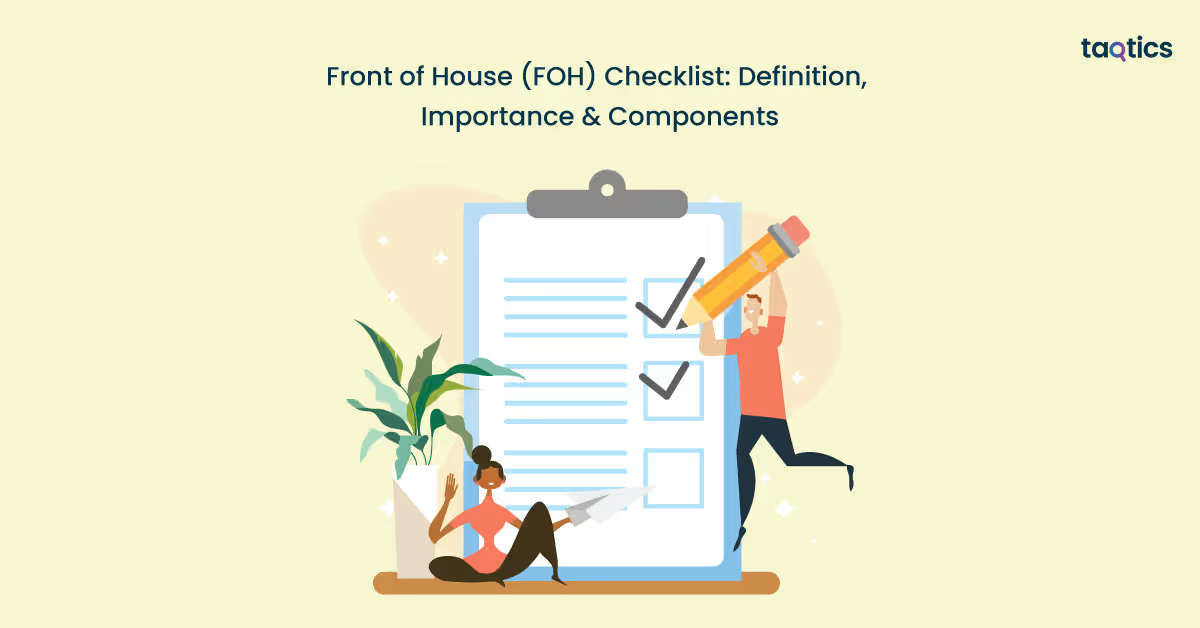
Front of House (FOH) checklist serves as a structured guide to ensure that every guest-facing activity—from greetings and table readiness to service flow and cleanliness—is executed consistently. Front of House (FOH) checklist becomes especially critical when you consider that 32% of customers stop doing business with a brand after just one bad experience, even if they previously liked it (PwC, Future of CX, 2018).
Beyond daily operations, a well-defined Front of House (FOH) checklist directly impacts revenue, reputation, and repeat visits. According to Harvard Business Review (2014), improving customer experience can increase revenues by 4–8% above the market average, and FOH teams play the most visible role in shaping that experience. By clearly defining responsibilities, reinforcing service standards, and aligning staff actions, an FOH checklist becomes a foundational tool for delivering reliable, high-quality customer experiences at scale.
What is a Front of House (FOH) Checklist?
A Front of House (FOH) checklist is a structured list of tasks and standards that guide all guest-facing operations in a restaurant or hospitality environment. It ensures that service quality, cleanliness, and staff behavior remain consistent across shifts and locations. In practice, an FOH checklist acts as a daily execution tool that helps teams deliver a smooth and reliable guest experience.
In the restaurant and hospitality context, an FOH checklist typically covers:
- Guest greeting and seating procedures
- Table setup, cleanliness, and ambience checks
- Staff grooming and uniform standards
- Service flow during peak and non-peak hours
- Reservation, waitlist, and billing processes
- Opening, mid-shift, and closing duties
The importance of an FOH checklist lies in its ability to maintain consistency and service standards, even during high-pressure service hours or staff turnover. When expectations are documented and repeatable, teams are less likely to miss critical steps.
Key benefits of maintaining FOH consistency include:
- Uniform service quality across all shifts and outlets
- Reduced dependency on individual staff habits
- Faster onboarding and training for new hires
- Lower risk of service lapses during rush periods
A well-executed FOH checklist has a direct impact on guest experience and brand perception. Guests may not see the checklist, but they feel its effects through smooth service, attentive staff, and a well-maintained environment.
From a guest and brand perspective, FOH checklists help:
- Create predictable, positive guest experiences
- Build trust and professionalism into the brand image
- Encourage repeat visits and positive reviews
- Reduce complaints caused by overlooked basics
FOH checklists also strengthen staff accountability by clearly defining ownership of tasks and expectations.
From an operations and management standpoint, they enable:
- Clear assignment of responsibilities by role or shift
- Easy verification of task completion
- Data-backed performance evaluations
- Identification of recurring execution gaps
To streamline this process, many hospitality teams are adopting digital FOH checklist tools like Taqtics. These platforms replace paper-based lists with automated, trackable workflows.
With FOH checklist automation through tools such as Taqtics, teams can:
- Assign tasks digitally with deadlines and reminders
- Capture real-time updates with photos and timestamps
- Monitor compliance across multiple locations
- Use analytics to continuously improve front-of-house execution
By combining structured FOH checklists with digital automation, hospitality businesses can consistently deliver high-quality guest experiences while improving operational efficiency at scale.
What Areas Should Be Included in a Front of House Checklist?
The areas that should be included in a front-of-house checklist include tables & sections, host stand, service flow, uniforms, and quick quality checks.
Tables & Sections
Tables and seating areas form the core of the guest experience, making their condition and presentation non-negotiable. A detailed FOH checklist helps ensure readiness at all times, especially during peak hours.
Key areas to include:
- Cleanliness: Tables, chairs, and booths are free of crumbs, spills, grease marks, and debris.
- Set-Up: Required silverware, napkins, glassware, and condiments are present and correctly arranged.
- Ambiance: Lighting is functional and set at the appropriate level; background music is audible but not intrusive.
- Flooring: Floors beneath tables and along walkways are clean, dry, and free of tripping hazards.
- Restrooms: Restrooms are checked at regular intervals for cleanliness, proper lighting, and adequate supplies such as soap and paper towels.
Host Stand
The host stand is the first physical touchpoint for guests and sets the tone for their visit. A well-managed host area signals organization, professionalism, and hospitality.
Checklist focus areas include:
- Organization: Menus, pens, reservation books, and tablets are neatly arranged and easy to access.
- Presentation: The stand and waiting area are clean, uncluttered, and free of personal items.
- Menu Quality: Menus are clean, untorn, stain-free, and updated with accurate information.
- Welcoming Posture: The host is present, attentive, smiling, and ready to greet guests immediately upon arrival.
Service Flow
Service flow ensures that guests feel attended to without delays or confusion. FOH checklists help standardize service timing and interactions across staff and shifts.
Important checklist elements include:
- Timeliness: Guests are greeted within a defined timeframe (for example, within 60 seconds of being seated).
- Knowledgeable Staff: Servers can confidently explain menu items, specials, allergens, and make recommendations.
- Check Presentation: Bills are presented promptly when requested and processed efficiently without unnecessary waiting.
- Exit Greeting: Every guest receives a sincere thank-you and farewell before leaving the establishment.
Uniforms
Staff appearance directly influences guest perception of cleanliness, professionalism, and brand standards. Uniform checks help reinforce consistency across the FOH team.
Uniform-related checklist points include:
- Dress Code Adherence: All staff wear the correct uniform as defined by brand guidelines.
- Cleanliness: Uniforms are clean, pressed, and free from stains, tears, or excessive wear.
- Grooming: Hair is neat, hands are clean, and jewelry is minimal and appropriate.
- Name Tags: Name tags are worn correctly and clearly visible at all times.
Quick Quality Checks
Quick quality checks act as a final safeguard to catch issues before guests notice them. These checks support proactive problem-solving and continuous improvement.
Essential components include:
- “Guest View” Walkthrough: A manager or supervisor walks the FOH area from a guest’s perspective to identify immediate concerns.
- Spot Checks: Random tables are inspected between turns for cleanliness and correct setup.
- Communication: Maintenance or cleanliness issues are instantly reported to the appropriate team member for fast resolution.
- Feedback Integration: Staff are encouraged to flag guest discomforts such as wobbly tables, drafts, or noise issues as soon as they are noticed.
By covering these five areas in detail, a front-of-house checklist becomes a powerful operational tool, helping teams deliver consistent service, protect brand standards, and create a seamless guest experience every day.
How Often Should FOH Checks Be Done?
FOH checks should be done at multiple points throughout the day and week to ensure service quality, cleanliness, and guest experience remain consistent at all times. Rather than being a one-time task, front-of-house checks work best when they are built into daily routines and supported by regular, structured reviews.
At a high level, FOH checks are typically divided into shift-based checks and periodic deep-dive checks, each serving a different operational purpose.
Pre-Shift, Mid-Shift, and Post-Shift Checks
Daily FOH checks should align with the natural flow of service to catch issues early, manage peak hours, and ensure proper closure.
Pre-shift checks help prepare the team and space before guests arrive:
- Table setup, cleanliness, and ambience readiness
- Host stand organization and menu availability
- Staff uniforms, grooming, and readiness
- Service briefing and role assignments
Mid-shift checks focus on maintaining standards during live service:
- Spot-checking table cleanliness between turns
- Monitoring service speed and guest wait times
- Restroom inspections and quick fixes
- Identifying staff or process bottlenecks
Post-shift checks ensure proper wrap-up and readiness for the next service:
- Resetting tables and sections
- Cleaning FOH areas and restocking supplies
- Logging issues faced during the shift
- Verifying closing duties and handover notes
Weekly Deep-Dive Checklist vs. Daily Routine
While daily FOH checks focus on execution, weekly deep-dive checklists address broader quality and maintenance issues that don’t surface in day-to-day operations.
Daily routine checks typically cover:
- Cleanliness, setup, and guest-facing behavior
- Immediate service flow and presentation standards
Weekly deep-dive checks often include:
- Detailed restroom and flooring inspections
- Furniture condition and lighting checks
- Menu quality audits and signage review
- Staff adherence to SOPs and brand guidelines
This balance prevents small issues from turning into long-term service or maintenance problems. Consistent FOH logging helps track recurring service or cleanliness gaps, ensure checks are actually completed, not skipped, support fair staff evaluations and training needs, and create a reliable operational record for audits.
With Taqtics, FOH teams can schedule pre-shift, mid-shift, and post-shift checklists automatically, send reminders so checks are never missed, capture time-stamped entries and photo evidence, and maintain audit trails for reviews, compliance, and improvement.
How Can You Train Staff to Follow FOH Guest-Facing Standards?
You can train staff to follow FOH guest-facing standards by building a system that combines structured learning, practical execution tools, and strong on-floor leadership. Clear subheads below break this approach into actionable parts for easy understanding and implementation.
Training Modules
Effective FOH training starts with well-defined learning modules that support staff from day one and continue throughout their tenure.
Key elements include:
- Onboarding training that introduces brand values, service standards, and guest interaction expectations
- Role-specific modules for hosts, servers, and supervisors based on their daily responsibilities
- Refresher training to reinforce standards, address performance gaps, and align teams during peak seasons
- Short pre-shift training sessions to keep service expectations fresh and relevant
FOH Checklists
FOH checklists bridge the gap between training theory and real-world execution. They turn abstract service standards into clear, repeatable actions that staff can follow confidently.
Using checklists during training helps:
- Define what “correct execution” looks like for each task
- Guide new hires step-by-step during live service
- Reduce dependency on memory or verbal instructions
- Build consistency across shifts and team members
FOH Leadership
FOH leads and supervisors play a critical role in ensuring training translates into daily behavior. Their presence and feedback help reinforce standards in real time.
FOH leaders support compliance by:
- Modeling ideal guest-facing behavior on the floor
- Conducting spot checks and offering immediate coaching
- Recognizing staff who consistently meet or exceed standards
- Addressing issues early before they become habits
By aligning structured training modules, checklist-driven execution, and active FOH leadership, hospitality teams can consistently uphold guest-facing standards and deliver a reliable, high-quality experience every shift.
How Does Taqtics Help Restaurants Manage FOH Checklists Digitally?
Taqtics helps restaurants manage FOH checklists digitally by replacing manual, paper-based processes with automated, trackable, and mobile-friendly workflows. As restaurants scale and service expectations rise, digital checklist tools are becoming essential, especially when consistency across shifts and locations directly impacts guest experience. Industry studies show that restaurants using digital operations tools report faster issue resolution and higher compliance with service standards, making platforms like Taqtics a strategic advantage for modern hospitality teams.
The key features for FOH checklist management
- Checklist Creation & Customization: Create role-based FOH checklists for opening, mid-shift, closing, and service audits, tailored to brand standards and location needs.
- Schedule Automation: Automate checklist frequency with pre-set schedules and reminders so FOH tasks are triggered at the right time, every shift, without manual follow-ups.
- Compliance Tracking: Track checklist completion rates, identify missed tasks, and analyze recurring gaps through dashboards and reports for continuous improvement.
- Real-Time Staff Accountability: FOH staff update checklist status live, supported by timestamps and photo evidence. Managers can instantly see who completed what, when, and where—creating clear ownership and reducing missed responsibilities.
- Mobile-First Design for FOH Teams: Built for frontline use, Taqtics works seamlessly on smartphones and tablets, allowing FOH teams to complete checklists, upload photos, and receive reminders without leaving the floor.
Barns Café, a large multi-outlet coffee chain, adopted Taqtics to digitize FOH checklists across its locations. Real-time accountability and mobile checklist access helped managers monitor execution during live service. Automated reminders reduced missed tasks, while photo verification improved compliance. The brand achieved more consistent FOH standards, smoother service flow, and fewer guest-facing issues across all outlets.
How Do You Measure FOH Checklist Success?
FOH checklist success can be measured by tracking both execution metrics and guest-facing outcomes to ensure that standards are not only followed but also deliver real operational and experience improvements.
- Checklist completion rate: Percentage of FOH checklists completed on time across shifts and locations
- Task adherence accuracy: Quality of execution, verified through spot checks, photo evidence, or manager reviews
- Missed or overdue tasks: Frequency of skipped or delayed checklist items, highlighting execution gaps
- Guest satisfaction indicators: Trends in guest feedback, reviews, complaints, and repeat visits linked to service quality
- Service consistency across shifts: Reduced variation in service standards between peak and non-peak hours
- Issue recurrence rate: How often the same FOH issues reappear, indicating whether root causes are being addressed
- Staff accountability metrics: Clear ownership of tasks and improved response times to FOH issues
- Audit and compliance scores: Results from internal audits or brand-standard inspections over time
- Time to resolution: The speed at which FOH issues identified through checklists are resolved
When measured consistently and logged over time, especially through digital tools, these indicators help restaurants move FOH checklists from a routine task to a performance-driven system for service excellence.
About the Author