
Restaurant Fire Safety Inspection Checklist: Definition, Importance & Components
A restaurant fire safety inspection checklist is a structured tool used to evaluate and ensure the fire safety measures of a restaurant, including equipment, emergency protocols, and staff preparedness. A restaurant fire safety inspection checklist helps identify potential fire hazards, such as overloaded electrical circuits, unattended cooking equipment, or blocked fire exits, similar to how a homeowner might check smoke detectors, keep flammable items away from the stove, and ensure fire extinguishers are accessible.
The importance of fire safety in restaurants is underscored by statistics highlighting the risk of fires in commercial kitchens. According to the National Fire Protection Association (NFPA), 2020, cooking equipment is the leading cause of reported restaurant fires in the United States, accounting for over 60% of incidents, with an estimated 7,000 fires reported annually in eating and drinking establishments. By systematically assessing a restaurant through a fire safety inspection checklist, including evaluating fire alarms, suppression systems, emergency exits, and staff training, owners can reduce risks, comply with legal regulations, and protect both staff and customers from potentially catastrophic incidents.
What Is Restaurant Fire Safety Inspection Checklist?
A restaurant fire safety inspection checklist is a structured tool used to systematically evaluate fire safety measures in a restaurant. It helps ensure that the premises, equipment, and staff are prepared to prevent and respond to fire hazards, reducing the risk of injury, property damage, and business disruption.
The key purposes of the checklist include:
- Identification of fire hazards: Spot potential risks such as overloaded electrical circuits, flammable materials near cooking equipment, and obstructed exits.
- Evaluation of fire safety equipment: Verify that fire extinguishers, sprinklers, smoke detectors, and fire alarms are functional and properly maintained.
- Assessment of emergency procedures: Ensure clear evacuation routes, emergency exit signage, and staff knowledge of fire drills and response protocols.
- Compliance with legal regulations: Check adherence to local fire safety laws, codes, and insurance requirements.
- Staff preparedness and training: Confirm that employees are trained to use fire safety equipment and understand emergency response procedures.
Using a Restaurant Fire Safety Inspection Checklist ensures a systematic approach to fire prevention, helps maintain regulatory compliance, and enhances the safety of both staff and patrons.
Why Are Fire Safety Inspections Important for Restaurants?
Fire safety inspections are important for restaurants because restaurants are inherently high-risk environments for fire hazards. Kitchens contain grease, open flames, and high-heat equipment, all of which increase the likelihood of accidental fires if proper precautions are not taken. Without regular inspections, small hazards can quickly escalate into catastrophic incidents, endangering staff, customers, and property.
- Fire risk statistics: According to the National Fire Protection Association (NFPA), 2020, cooking equipment is the leading cause of restaurant fires, accounting for over 60% of reported incidents, and these fires cause substantial property damage and business interruptions each year.
- Business continuity and insurance: Fire safety inspections help identify and mitigate risks, ensuring that businesses can continue operations and maintain valid insurance coverage. Failure to comply with fire safety regulations may lead to denied insurance claims in case of a fire.
- Legal compliance: Regular fire inspections ensure that restaurants adhere to local fire codes, health and safety regulations, and licensing requirements, reducing the risk of fines, closures, or legal liabilities.
Fire safety inspections are critical for preventing hazards, protecting lives, safeguarding property, and ensuring that restaurants remain compliant and operational in the long term.
What Should Be on a Restaurant Fire Safety Inspection Checklist?
A restaurant fire safety inspection checklist should have key sections that cover all aspects of fire prevention, electrical safety, emergency preparedness, and general housekeeping. These areas help ensure the safety of staff, patrons, and property while maintaining compliance with fire safety regulations.
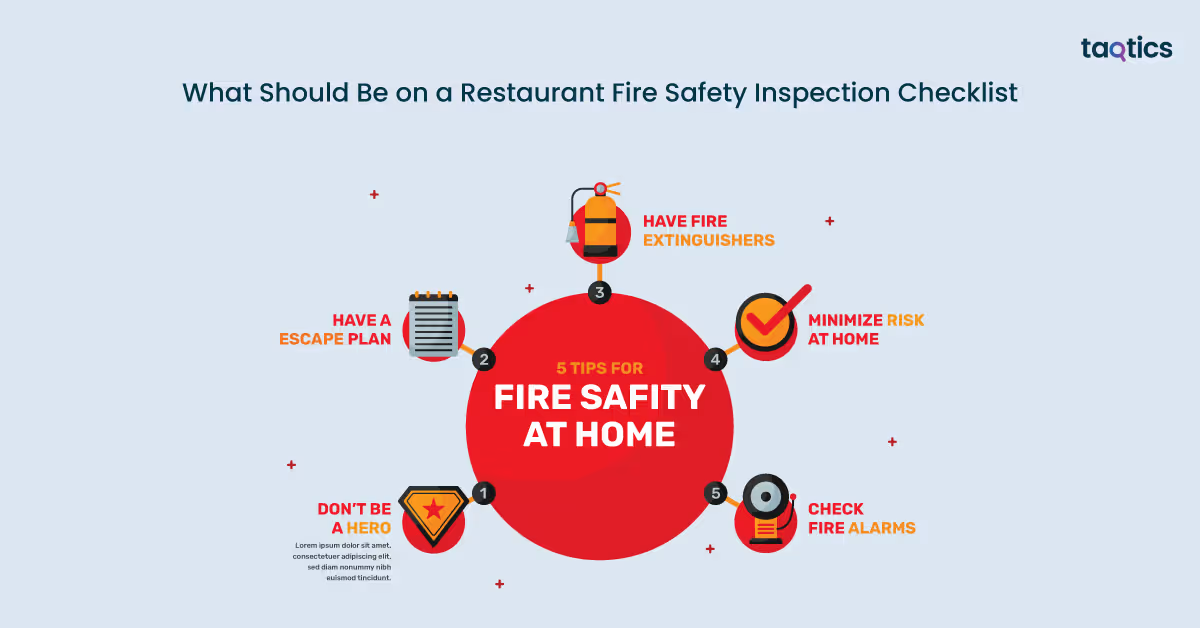
Fire Prevention and Control
This section focuses on proactive measures designed to prevent fires from starting and control them effectively if they occur. It evaluates equipment, storage practices, and suppression systems in the kitchen and other high-risk areas. Ensuring proper fire prevention and control minimizes hazards from cooking equipment, flammable materials, and grease buildup, which are leading causes of restaurant fires. Key points include:
- Fire Extinguishers: Check that extinguishers are mounted properly, easily accessible, the correct type for kitchen hazards (e.g., Class K), inspected monthly, and recharged annually or after use.
- Cooking Equipment: Ensure a Class K extinguisher is within 30 feet of cooking appliances, exhaust hoods and ducts are free of grease, equipment is maintained, and gas shut-off valves are accessible with employees trained to use them.
- Suppression Systems: Verify that commercial kitchen fire suppression systems (e.g., Ansul type) are serviced regularly, free from damage, and fully functional.
- Storage: Keep storage areas neat and free of flammable materials, particularly near heat sources, and store combustible materials properly away from electrical equipment.
Electrical Safety
Electrical faults are a common source of fires in restaurants, so this section evaluates all wiring, outlets, and panels to ensure they are safe and properly maintained. Proper electrical safety practices reduce the risk of sparks, short circuits, and other hazards that could ignite a fire. Key points include:
- Wiring and Outlets: Inspect cords and wiring for damage, ensure switches and outlets are in good repair, and limit extension cord use to temporary purposes only.
- Electrical Panels: Keep panels closed, maintain a 3-foot clearance, ensure breakers are labeled, and confirm panel boxes are securely shut.
Exits and Emergency Preparedness
This section ensures that the restaurant is prepared for safe evacuation in the event of a fire. It includes checking exit accessibility, emergency lighting, and staff readiness to respond quickly, which are critical for protecting lives during emergencies. Key points include:
- Exits and Egress: Check that all exit doors are unobstructed, unlocked, equipped with panic hardware if needed, exit signs are visible and illuminated, and “Not An Exit” signs are posted on non-exit doors. Ensure at least two exits are available in areas where 50 or more people may gather.
- Emergency Lights: Confirm that emergency lighting systems are installed and operational.
- Training: Train at least one employee per shift on shutting off gas and electricity in emergencies, and ensure all staff know fire safety procedures and evacuation plans.
Housekeeping and General Safety
A clean and hazard-free environment is essential to reduce fire risks and ensure safe movement within the restaurant. Good housekeeping prevents accidental ignition sources and allows quick evacuation if needed. Key points include:
- Keep floors clean and free of spills.
- Ensure walkways are clear and free of protruding handles or obstacles.
- Maintain a general environment that is clean, organized, and free of hazards that could contribute to fire incidents.
By systematically assessing fire prevention measures, electrical safety, emergency preparedness, and general housekeeping, restaurants can identify risks early, ensure regulatory compliance, and maintain a safe environment. Regular inspections not only reduce the likelihood of fire-related incidents but also enhance staff readiness, safeguard business continuity, and build customer confidence in the establishment’s commitment to safety.
What Are the Fire Safety Requirements for Restaurants?
The fire safety requirements for restaurants are a set of standards and practices designed to prevent fire incidents, protect lives, and ensure regulatory compliance.
- Compliance with national and local codes: Restaurants must follow regulations established by bodies such as the National Fire Protection Association (NFPA) and Occupational Safety and Health Administration (OSHA) in the U.S., or equivalent local fire safety authorities in other countries. These codes cover fire prevention, equipment standards, and emergency preparedness.
- Suppression system standards (UL 300): Commercial kitchen fire suppression systems must comply with UL 300, ensuring they are effective against high-temperature grease and oil fires. Regular inspection, maintenance, and testing are required to guarantee functionality.
- Fire exits and egress: Restaurants must provide at least two unobstructed and accessible exits for areas where large numbers of people may gather. Doors should be unlocked during business hours and equipped with panic hardware if required.
- Signage and emergency lighting: Exit signs must be clearly visible and illuminated, with “Not An Exit” signs posted on non-exit doors. Emergency lighting should be installed and regularly tested to guide safe evacuation during power outages or smoke-filled environments.
Meeting these fire safety requirements helps restaurants minimize fire risks, protect staff and patrons, and maintain compliance with legal and insurance obligations.
Who Conducts Fire Inspections and How Often Are They Done?
Fire inspections in restaurants are typically conducted by local fire marshals or fire department officials who are trained to assess fire risks, verify compliance with fire codes, and ensure that safety equipment and procedures are in place.
- Most restaurants undergo annual or semi-annual inspections, depending on local regulations and the assessed risk level.
- Some jurisdictions may also perform unannounced or surprise inspections to ensure ongoing compliance.
- New restaurants are often inspected shortly after opening to confirm that fire safety systems are properly installed.
- Complaints, previous violations, or high-risk operations (such as commercial kitchens with deep fryers or open flames) can also trigger more frequent inspections.
Regular fire inspections help restaurants maintain compliance, reduce the risk of fire-related incidents, and protect both staff and customers while supporting business continuity and insurance coverage.
How Do You Prepare for a Restaurant Fire Safety Inspection?
You can prepare for a restaurant fire safety inspection by taking proactive steps to ensure that all fire safety measures, equipment, and staff readiness are up to standard before the official inspection.
- Conduct a self-inspection: Walk through the restaurant to identify potential fire hazards, check equipment, ensure exits are clear, and confirm that all safety protocols are being followed.
- Maintain a fire safety logbook: Document all fire safety activities, inspections, and maintenance schedules for equipment such as extinguishers, alarms, and suppression systems. This demonstrates ongoing compliance and readiness.
- Service documentation: Keep records of servicing and maintenance for fire extinguishers, kitchen hoods, suppression systems, and alarm systems, ensuring that they are up to date and fully functional.
- Train staff on fire drills and extinguisher use: Regularly train employees on emergency evacuation procedures, proper use of fire extinguishers, and how to shut off utilities in case of fire.
By systematically addressing these areas, restaurants can demonstrate compliance, improve staff preparedness, and reduce risks during an official fire safety inspection.
What Common Violations Cause Restaurants to Fail Fire Inspections?
The common violations that cause restaurants to fail fire inspections are issues that compromise fire safety, prevent effective evacuation, or indicate non-compliance with fire codes.
- Blocked emergency exits: Exits obstructed by equipment, furniture, or storage prevent safe evacuation and are a major safety hazard.
- Unclean hood systems: Accumulation of grease in kitchen hoods, ducts, and filters increases the risk of grease fires and can lead to inspection failure.
- Out-of-date extinguishers or suppression systems: Fire extinguishers or suppression systems that are not serviced or past their expiry date may not function properly during an emergency.
- Improper storage of flammable materials: Storing flammable items near heat sources, open flames, or electrical equipment increases fire risk.
- Missing signage or exit lights: Absence of illuminated exit signs, “Not An Exit” signs, or emergency lighting makes evacuation unsafe and violates fire codes.
Addressing these common violations proactively helps restaurants pass inspections, improve safety for staff and customers, and reduce the risk of fire-related incidents.
How Often Should Fire Suppression and Hood Systems Be Inspected?
Fire suppression and hood systems should be inspected at regular intervals to ensure they function properly and comply with fire safety standards.
- Fire suppression systems: These systems, including those compliant with UL 300 standards, should be inspected semi-annually by a certified technician to ensure they are fully operational and ready to control kitchen fires.
- Hood and duct cleaning: Depending on the level of cooking activity, exhaust hoods, filters, and ducts should be cleaned quarterly or monthly to remove grease buildup, as recommended by NFPA 96 guidelines.
- Documentation: Maintain records of all inspections, maintenance, and cleaning schedules to demonstrate compliance during fire safety audits and inspections.
Regular inspection and cleaning of fire suppression and hood systems are critical for preventing grease fires, protecting staff and customers, and ensuring restaurants meet legal and insurance requirements.
How Can Restaurants Train Staff on Fire Safety?
Restaurants can train staff on fire safety by implementing structured programs and hands-on exercises that ensure all employees understand fire risks, prevention measures, and emergency response procedures.
- Fire safety orientation: Introduce all new employees to the restaurant’s fire safety policies, including hazard awareness, proper use of equipment, and emergency protocols.
- Hands-on extinguisher training: Demonstrate how to correctly use fire extinguishers, including the PASS method (Pull, Aim, Squeeze, Sweep), and allow staff to practice in a controlled environment.
- Emergency evacuation drills: Conduct regular fire drills to familiarize staff with exit routes, assembly points, and procedures for assisting customers during an evacuation.
- Kitchen-specific fire training: Train kitchen staff on handling grease fires, shutting off gas valves, and operating fire suppression systems safely.
- Refresher courses: Schedule periodic refresher training sessions to reinforce knowledge, update staff on new safety protocols, and ensure compliance with local fire regulations.
By combining theory, practical exercises, and regular reinforcement, restaurants can create a culture of fire safety that protects employees, patrons, and property.
Do You Need a Fire Safety Plan for Your Restaurant?
Yes, you need a fire safety plan for your restaurant. A fire safety plan is a documented strategy that outlines how a restaurant will prevent, respond to, and recover from fire incidents.
- Regulatory compliance: Local fire codes and national standards (such as NFPA in the U.S.) often mandate that restaurants have a written fire safety plan in place.
- Emergency preparedness: The plan details evacuation routes, assembly points, and emergency procedures, ensuring staff and customers can safely exit during a fire.
- Fire prevention measures: It specifies responsibilities for maintaining fire extinguishers, suppression systems, and other equipment, as well as safe storage of flammable materials.
- Staff training and accountability: The plan provides guidance on staff roles during emergencies, including who is responsible for shutting off utilities, operating suppression systems, and assisting patrons.
- Insurance and liability: Having a fire safety plan can be critical for insurance compliance and may reduce liability in case of a fire-related incident.
A fire safety plan is a proactive tool that helps restaurants prevent fires, protect lives, comply with legal requirements, and maintain business continuity.
What Happens If Your Restaurant Fails a Fire Inspection?
If your restaurant fails a fire inspection, it can lead to serious safety, legal, and financial consequences that must be addressed promptly to protect staff, customers, and property.
- Notice of violations: You will receive a detailed report outlining all deficiencies, such as blocked exits, malfunctioning suppression systems, or improper storage of flammable materials.
- Enforcement actions: Depending on the severity, authorities may issue fines, impose operational restrictions, or temporarily close the restaurant until the issues are corrected.
- Re-inspection requirements: Correct all violations and schedule a re-inspection to demonstrate compliance before resuming full operations.
- Impact on insurance and reputation: Failing an inspection can affect insurance coverage, increase premiums, and damage the restaurant’s reputation with customers concerned about safety.
- Staff retraining and procedural updates: Additional staff training, updated safety protocols, and stricter documentation may be required to prevent future failures.
Promptly addressing violations and maintaining rigorous fire safety practices are essential for passing future inspections and ensuring a safe environment for everyone in the restaurant.
What is the difference between Class K and ABC extinguishers?
The difference between Class K and ABC extinguishers lies in their design, intended use, and the types of fires they are effective against. While both are fire extinguishers, each serves specific hazards commonly found in different environments, particularly restaurants and commercial kitchens.
| Feature | Class K Extinguisher | ABC Extinguisher |
| Purpose | Designed specifically for kitchen fires involving cooking oils and fats (grease fires). | Multipurpose extinguisher suitable for ordinary combustibles, flammable liquids, and electrical fires. |
| Fire Classes Covered | Class K fires only (kitchen grease and oil fires). | Class A (wood, paper, cloth), Class B (flammable liquids), Class C (electrical equipment). |
| Extinguishing Agent | Wet chemical solution that cools flames and forms a soap-like layer to prevent re-ignition. | Dry chemical powder that interrupts the chemical reaction of the fire. |
| Common Location | Commercial kitchens, restaurants, cafeterias, and other areas with deep fryers or cooking equipment. | Offices, classrooms, warehouses, industrial facilities, and general commercial areas. |
| Effectiveness | Highly effective on high-temperature grease fires; not suitable for general fires. | Effective on a variety of fires but not recommended for kitchen grease fires due to risk of spreading the fire. |
| Maintenance | Requires regular inspection, typically monthly, and servicing by certified personnel. | Requires regular inspection and servicing according to manufacturer guidelines; easier to maintain in general use areas. |
Class K extinguishers are essential for kitchens where grease fires are common, while ABC extinguishers provide versatile coverage for general-purpose fire hazards but should not replace Class K in high-risk cooking areas.
About the Author