Restaurant Pest Control Checklist: Definition, Importance & Components
A restaurant pest control checklist plays a critical role in maintaining food-safety standards and protecting public health. A restaurant pest control checklist, everyday life, is like checking whether your kitchen garbage bin is always covered because leaving it open may attract flies or rodents, which could then contaminate food. A proper checklist helps ensure such basic but vital hygiene habits are followed consistently.
In fact, foodborne pathogens remain a serious concern in eating establishments. A 2024 study by Foxcroft, Masaka & Oosthuizen on ready-to-eat foods from restaurants, cafés and takeaways found rising prevalence of Bacillus cereus over the period 2009–2022. Without structured pest control and hygiene measures, the risk of contamination by bacteria or by physical carriers like rodents or cockroaches, goes up considerably. A restaurant pest control checklist, thus, is not just a formal document, but a practical defence against outbreaks, spoilage, and reputational damage.
What Is Restaurant Pest Control Checklist?
A restaurant pest control checklist is a structured document used by food-service establishments to systematically prevent, monitor, and manage pests within the premises. It outlines all required activities, such as inspection routines, sanitation steps, and preventive measures, to ensure the environment stays free from insects, rodents, and other contamination-causing vectors.
The key elements often included in a restaurant pest control checklist:
- Regular inspections of storage rooms, kitchens, drains, and waste areas
- Monitoring devices like traps, glue boards, or insect light traps
- Sanitation requirements, including cleaning schedules and garbage handling
- Food storage rules, such as sealed containers and FIFO rotation
- Structural checks for cracks, gaps, or openings where pests can enter
- Documentation logs for findings, corrective actions, and pest-control visits
A restaurant pest control also serves as a compliance and record-keeping tool, helping restaurants meet health department regulations and maintain food safety standards. By following this checklist regularly, staff can identify early signs of pest activity, reduce risks of infestations, and maintain a clean, customer-safe environment.
Why Is Pest Control Critical in Restaurants?
Pest control in restaurants is important because it protects food safety, safeguards customer health, and ensures the business meets regulatory standards.
Health and Legal Implications of Pest Infestations
- Food contamination risks: Pests like rodents, cockroaches, and flies carry bacteria, parasites, and pathogens that can contaminate food and surfaces. This may lead to foodborne illnesses and outbreaks.
- Regulatory violations: Health departments require restaurants to maintain pest-free environments. Infestations can result in hefty fines, shutdown orders, or loss of permits.
- Legal liability: Customers who fall sick due to contaminated food can file lawsuits, leading to financial losses and long-term damage to the business.
Impact on Customer Perception and Business Reputation
- Loss of customer trust: Even a single sighting of a pest can lead to negative reviews, viral social-media posts, and a drop in footfall.
- Damage to brand image: Consistent hygiene failures can brand a restaurant as unsafe or unclean, which is hard to recover from.
- Reduced revenue: Poor reputation directly affects repeat business, dine-in numbers, and catering opportunities.
Without proper control measures, even a small infestation can quickly escalate into serious health, legal, and reputational consequences for the establishment. Thus, pest control is central to maintaining a restaurant’s credibility, safety, and long-term success.
What Does a Restaurant Pest Control Checklist Include?
A restaurant pest control checklist includes daily, weekly, monthly, and ongoing/irregular tasks. These categories ensure pest prevention and sanitation remain a continuous, structured part of restaurant operations.
Daily Tasks
Daily tasks are essential for maintaining a clean environment where pests are less likely to thrive. They address immediate hygiene needs and help staff identify potential issues before they escalate into bigger problems.
Food and Preparation Areas
Food and prep zones require strict cleanliness standards because they attract pests easily. Floors should be swept, vacuumed, and mopped thoroughly, including hard-to-reach corners beneath equipment. All countertops, cutting boards, tables, and chairs must be cleaned and sanitized to remove food residue. Appliances, including deep fryers, and the surrounding areas need consistent sanitization. Trash bins must be emptied, cleaned, and cleared of any debris to prevent attracting pests.
Sanitation
Daily sanitation routines keep drains, beverage stations, and bathrooms hygienic. Staff should clean all floor and sink drains to eliminate moisture buildup, sanitize beverage areas such as coffee or tea stations, and ensure bathrooms are cleaned thoroughly to maintain overall hygiene.
Exclusion
To limit pest entry, exterior doors must remain closed whenever not in use. This simple habit helps maintain a controlled internal environment.
Monitoring
Daily monitoring ensures early detection of any pest activity. Staff should inspect floors and storage areas carefully for droppings, insects, or irregularities and verify that drains remain clean and free from standing water.
Weekly Tasks
Weekly tasks offer deeper cleaning and inspection beyond day-to-day operations. These help identify hidden issues and maintain areas that accumulate dirt gradually.
Sanitation
Garbage and dumpster zones must be washed with soap and water to remove buildup that attracts pests. Keeping these areas clean reduces odors and removes breeding grounds.
Monitoring
Weekly monitoring includes inspecting and replacing sticky traps or bait stations, ensuring they function effectively. Hard-to-reach areas should be vacuumed to eliminate crumbs and debris. Staff must also check for signs of pest activity such as droppings, gnaw marks, or dead pests, and undertake cleaning beneath large equipment or behind shelves where pests typically hide.
Monthly Tasks
Monthly tasks focus on structural integrity and deep-cleaning to block potential entry points and remove long-term buildup that could attract pests.
Exclusion
A monthly inspection should be carried out to identify and seal new cracks or holes in walls, floors, and around pipes. Exterior door gaps must also be checked and repaired if needed. Window screens should be inspected for holes and fixed promptly.
Sanitation
Deep cleaning of drains, vents, and hood systems helps remove accumulated grease and debris. Clutter, especially cardboard boxes and unused equipment, should be eliminated to reduce potential nesting spaces for pests.
Monitoring
Reviewing professional pest control reports each month helps track trends and effectiveness of existing measures. Staff should also revisit and refresh pest-control training to keep protocols top-of-mind.
Ongoing and Irregular Tasks
These tasks occur continuously or as required and are vital for maintaining a pest-resistant environment year-round.

Food and Storage
All food must be kept in sealed containers, stored at least six inches above the floor to prevent access by pests. Incoming shipments should be inspected thoroughly before entering the facility to avoid introducing pests unknowingly.
Waste Management
Trash must always be secured in sealed containers and dumpster lids kept tightly closed. Proper waste handling reduces pest attractants significantly.
Exclusion
Ongoing exclusion involves sealing utility entry points, cracks, and structural gaps as soon as they appear. Additionally, trimming back vegetation or tree branches near the building serves as a preventive measure against pests using plants as bridges to enter the facility.
With the right habits and regular monitoring, pest risks can be minimized, ensuring a cleaner, safer, and more trustworthy dining experience for every customer.
What Are the Most Common Pests Found in Restaurants?
The most common pests found in restaurants are those attracted to food, moisture, and shelter, making commercial kitchens and dining areas ideal environments if proper controls aren’t in place.
Cockroaches
Cockroaches thrive in warm, humid areas like kitchens, drains, and storage rooms. They spread bacteria, contaminate food and surfaces, and can trigger allergies. Their ability to hide in tiny crevices makes them especially difficult to eliminate without consistent sanitation and monitoring.
Rodents (Rats and Mice)
Rodents are attracted to food scraps, stored ingredients, and poorly sealed waste areas. They can chew through packaging, wires, and even walls, causing contamination and structural damage. Their droppings and urine pose serious health risks, making early detection and exclusion essential.
Flies and Fruit Flies
Flies breed in decaying organic matter, drains, and trash bins. They can carry pathogens and contaminate food through constant landing. Fruit flies, in particular, thrive around overripe produce, sugary beverages, bar areas, and damp drains, making them a common nuisance in restaurants.
Ants and Pantry Pests
Ants enter restaurants seeking food and water, often invading kitchens in large numbers. Pantry pests, such as beetles and moths, infest dry goods like flour, grains, spices, and cereals. These pests can quickly spread through storage areas, leading to product waste and food-safety violations.
By understanding these common pests and their behavior, restaurants can take targeted preventive measures to keep their environments safe and compliant.
How Do Restaurants Prevent Pest Infestations?
Restaurants prevent pest infestations by combining strong sanitation habits, building maintenance, and proactive monitoring to create an environment where pests cannot thrive.
Maintaining Strict Sanitation
Restaurants prevent infestations by keeping all food-prep, cooking, and dining areas clean and free from debris. Drains, grease traps, and hard-to-reach corners are cleaned regularly, while food is stored in sealed containers and trash bins are kept closed, emptied, and sanitized to eliminate attractants.
Eliminating Entry Points
To stop pests from entering, restaurants seal cracks and gaps around doors, windows, and utility lines. Door sweeps and intact window screens are maintained, and exterior doors remain closed when not in use to reduce opportunities for pests to enter.
Reducing Food and Water Sources
Pest prevention also involves removing access to essentials like food and moisture. Staff fix leaks, clean spills immediately, store ingredients at least six inches off the floor, and manage waste and dumpsters properly to prevent creating breeding or feeding sites.
Consistent Monitoring and Early Detection
Regular inspections of traps, storage rooms, drains, and spaces behind equipment help catch pest activity early. Staff document any signs such as droppings, damage, or live pests to ensure quick corrective measures.
Partnering with Professional Pest Control
Restaurants also rely on licensed pest control professionals for scheduled inspections, targeted treatments, and expert guidance. Reviewing service reports and updating procedures ensures long-term prevention and a safe, pest-free environment.
When all of these practices work together, restaurants create an environment where pests cannot survive, protecting food safety, legal compliance, and the customer experience.
What Is Integrated Pest Management (IPM) in Restaurants?
Integrated Pest Management (IPM) in restaurants is a comprehensive, prevention-focused approach to controlling pests by combining sanitation, structural maintenance, monitoring, and targeted treatments. Instead of relying solely on chemicals, IPM emphasizes long-term strategies that make the restaurant environment unattractive and inaccessible to pests.
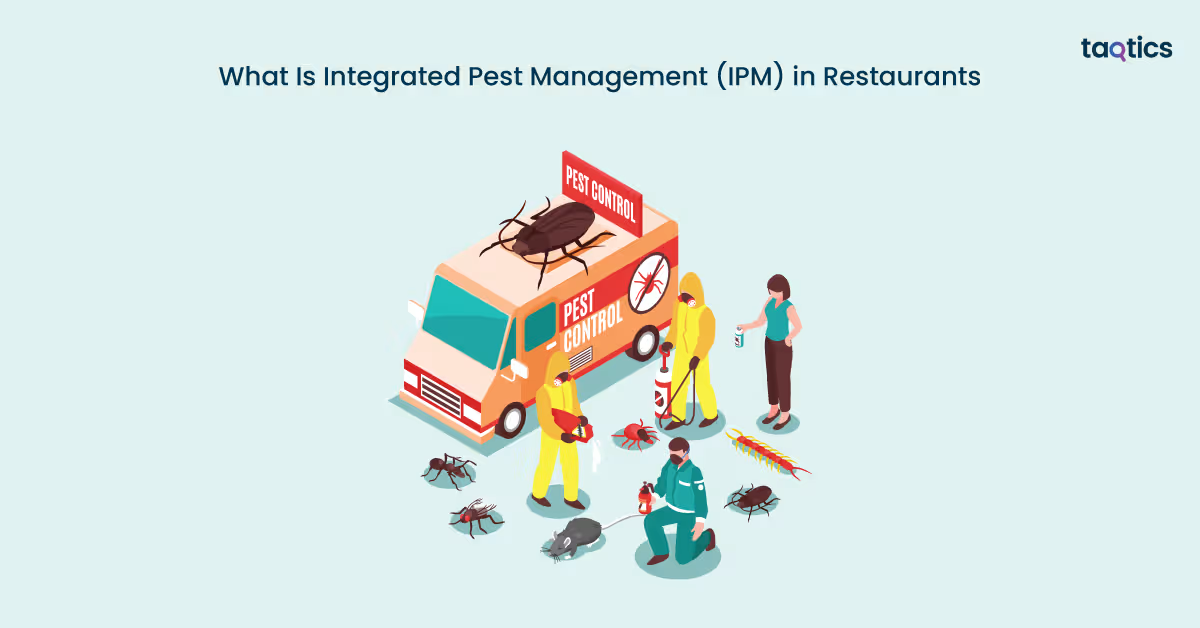
IPM begins with identifying the specific pests present, understanding their behavior, and removing the conditions that attract them. This includes improving cleanliness, sealing entry points, fixing moisture issues, and storing food properly. Restaurants then use non-chemical tools like traps and physical barriers, resorting to pesticides only when necessary and in the safest, most controlled manner.
By integrating multiple preventive methods and relying on continuous monitoring, IPM helps restaurants maintain food safety, reduce health risks, minimize chemical exposure, and comply with regulatory standards, all while ensuring a more sustainable and effective pest-control system.
How Does IPM Differ From Traditional Pest Control?
IPM differs from traditional pest control in its overall approach, priorities, and methods used to manage pests in restaurant environments.
| Aspect | Integrated Pest Management (IPM) | Traditional Pest Control |
| Approach | Preventive and proactive | Reactive and treatment-focused |
| Chemical Use | Minimal; pesticides used only as a last resort | High; routine chemical spraying is common |
| Focus | Eliminates root causes like food, water, and entry points | Treats visible symptoms of infestations |
| Methods Used | Sanitation, exclusion, monitoring, targeted treatments | Mainly chemical applications |
| Environmental & Health Impact | Safer for staff and customers due to low chemical exposure | Greater risk from frequent chemical use |
| Long-Term Effectiveness | High; reduces recurrence by addressing causes | Moderate; pests often return without preventive steps |
| Sustainability | Eco-friendly and compliant with modern safety standards | Less sustainable; relies on repeated treatments |
While traditional pest control focuses mainly on reacting to infestations, IPM emphasizes prevention, sustainability, and minimal chemical dependence.
What Are The Key Components Of An IPM Program?
The key components of an IPM program are the foundational steps that help restaurants prevent, monitor, and control pests using safe, sustainable, and effective methods.
- Inspection and Monitoring: Regular inspections help identify early signs of pest activity, vulnerable areas, and contributing factors. Monitoring tools like traps, glue boards, and insect light traps provide continuous data on pest presence and behavior.
- Identification of Pests: Correctly identifying the pest species is crucial for choosing the right control strategy. Different pests require different solutions, so accurate identification prevents misuse of treatments and improves effectiveness.
- Prevention and Exclusion: This step focuses on eliminating the conditions that attract pests. It includes sealing cracks, fixing leaks, improving sanitation, managing waste properly, and maintaining dry, clutter-free spaces that deter breeding and entry.
- Sanitation and Environmental Controls: Maintaining clean kitchen surfaces, removing food debris, controlling moisture, and organizing storage areas reduce pest access to essential resources. Environmental adjustments, like improving airflow or reducing humidity, also help deter pests.
- Targeted Control Measures: When pests are detected, IPM uses the least hazardous, most precise methods first. This may include traps, physical barriers, heat or cold treatments, or limited pesticide use applied directly to problem areas.
- Evaluation and Documentation: Ongoing evaluation ensures the IPM program is effective. Restaurants log inspection findings, treatments used, and changes observed over time. Reviewing these records helps refine strategies and improve long-term pest prevention.
These components create a structured, proactive system that protects restaurants from infestations while prioritizing safety, sustainability, and regulatory compliance.
What Are The Benefits Of IPM for Food Businesses?
The benefits of IPM for food businesses extend beyond simply reducing pest populations. By adopting a structured, prevention-focused approach, restaurants and other food establishments gain advantages in safety, compliance, cost-efficiency, and customer trust.
- Enhanced Food Safety: IPM minimizes the risk of contamination from pests, which can carry bacteria, viruses, and parasites. By reducing pest presence, restaurants protect their food, staff, and customers from foodborne illnesses.
- Regulatory Compliance: Following IPM practices helps food businesses meet local and national health regulations. Proper documentation of inspections, monitoring, and corrective actions demonstrates adherence to food-safety standards and avoids fines or penalties.
- Cost Efficiency: Preventive measures reduce the need for frequent chemical treatments or emergency pest interventions. Early detection and targeted control minimize damage to food, equipment, and facilities, lowering overall operational costs.
- Improved Customer Confidence and Reputation: A pest-free environment reassures customers that the restaurant prioritizes hygiene and safety. Positive reviews and word-of-mouth referrals are more likely, helping attract repeat business and maintain a strong brand image.
- Sustainable and Safer Operations: IPM relies on minimal chemical use, reducing environmental impact and exposure risks for staff and customers. It promotes a healthier, eco-friendly approach to pest management, aligning with modern sustainability standards.
- Long-Term Effectiveness: By addressing the root causes of pest problems rather than only treating symptoms, IPM creates a lasting solution. Restaurants benefit from fewer recurring infestations and a more predictable, controlled operating environment.
IPM not only keeps pests under control but also strengthens overall food safety, operational efficiency, and public trust, making it a smart choice for any food business.
How Often Should Restaurants Schedule Pest Control?
Restaurants should schedule pest control regularly and proactively to prevent infestations and maintain food safety standards. The frequency depends on the type of restaurant, local regulations, and the risk level of pests in the area.
- Routine Professional Inspections: Most food establishments benefit from monthly or quarterly visits by licensed pest control professionals. High-risk areas, like kitchens, storage rooms, and waste zones, may require more frequent monitoring.
- Daily and Weekly In-House Checks: Staff should perform daily inspections of food prep areas, drains, and storage spaces, and weekly checks of traps, bait stations, and hard-to-reach areas.
- After-Specific Events or Incidents: Pest control should be scheduled immediately after events that may increase pest risks, such as renovations, plumbing issues, or deliveries of large food shipments.
Maintaining a combination of professional visits and regular in-house monitoring ensures early detection, prevents infestations, and keeps the restaurant compliant with health regulations. Consistency is key. Even a short lapse in pest control can lead to costly problems.
What Are the Signs of a Pest Problem in a Restaurant?
The signs of a pest problem in a restaurant often appear before an infestation becomes severe. Early detection is critical to prevent contamination, health risks, and reputational damage.
- Visual Clues and Damage: Pests often leave behind physical evidence, such as chewed packaging, gnaw marks on furniture or wires, and damaged food products. Seeing live insects, rodents, or their carcasses is a clear indication that immediate action is required.
- Droppings, Nesting Materials, and Odors: Rodents and insects leave droppings or shed body parts in hidden areas, which can contaminate food and surfaces. Nesting materials like shredded paper, cardboard, or fabric, as well as unusual odors from urine or decaying pests, are strong signs of a problem.
- Customer Complaints and Staff Observations: Reports from customers noticing pests or unsanitary conditions, along with staff sightings during daily operations, are often the first warning signals. Keeping a log of these observations can help identify patterns and trigger timely preventive measures.
Recognizing these signs early allows restaurants to implement corrective actions before a minor issue turns into a major infestation.
Are restaurants required to keep pest control documentation?
Yes, restaurants are required to keep pest control documentation in most jurisdictions as part of food safety and health regulations. Maintaining proper records helps demonstrate compliance with local health codes and supports the effectiveness of a pest management program.
- Regulatory Compliance: Health departments often require logs of inspections, treatments, and preventive measures to verify that the restaurant is managing pest risks responsibly.
- Tracking and Accountability: Records allow managers to monitor recurring pest activity, evaluate the effectiveness of current controls, and hold staff or pest-control providers accountable.
- Evidence During Inspections: During routine health inspections, auditors may request pest control logs, monitoring reports, or service contracts to confirm ongoing adherence to standards.
- Proactive Prevention: Documentation helps identify trends, allowing restaurants to adjust sanitation or structural measures before infestations escalate.
Typical records include daily in-house checks, professional pest control service reports, inspection logs, and corrective action notes. Keeping these documents up to date is not just a legal requirement but also a key element of an effective Integrated Pest Management (IPM) strategy.
Can restaurants handle pest control themselves or hire professionals?
Yes, restaurants can handle pest control through both in-house practices and professional services. Each approach plays a distinct role in maintaining a safe, pest-free environment.
In-House Pest Control
Staff handle daily preventive measures such as cleaning food preparation areas, drains, and waste zones. Food should be stored in sealed containers and rotated properly, while regular inspections for droppings, gnaw marks, or other signs of pests help catch problems early. Maintaining structural integrity by sealing minor cracks or gaps also prevents pests from entering. While these routines are essential, they may not be enough to resolve serious or persistent infestations.
Professional Pest Control Services
Licensed pest control professionals provide expertise and specialized tools for regular inspections, monitoring, and targeted treatments. They can accurately identify pest species and their behavior, ensuring effective intervention when problems arise. Professionals also maintain documentation and reports, which help restaurants comply with health regulations.
A hybrid approach works best. This combination ensures a safer, more effective, and compliant pest management program, protecting both the restaurant and its customers.
What chemicals are safe to use around food?
The chemicals that are safe to use around food are minimize contamination risks and comply with health regulations.
- Food-Grade Diatomaceous Earth (DE): A natural powder that kills insects like ants and cockroaches without harming humans.
- Boric Acid: Effective for ants, cockroaches, and silverfish; must be applied in cracks, crevices, or behind equipment, away from direct food contact.
- Insect Growth Regulators (IGRs): Disrupt the life cycle of pests like flies and cockroaches; safe when used according to label directions.
- Pyrethrin-Based Sprays: Derived from chrysanthemum flowers; suitable for limited, controlled use around food areas when applied correctly.
- Rodent Baits and Blocks (Food-Safe Formulations): Placed in tamper-proof stations to prevent accidental contact with food or staff.
- Sanitizing Agents Approved for Food Contact Surfaces: Quaternary ammonium compounds, chlorine-based sanitizers, or other EPA/FDA-approved cleaners for use on countertops, cutting boards, and equipment.
Combining these safe chemicals with proper sanitation and monitoring ensures effective pest control while maintaining food safety.
Which pest control products are FDA/EPA-approved?
Restaurants must use pest control products approved by the FDA or EPA to ensure safety around food and compliance with regulations. These products are evaluated for human and environmental safety when used according to label instructions.
About the Author