Daily Employee Grooming & Appearance Checklist: Definition, Importance & Components
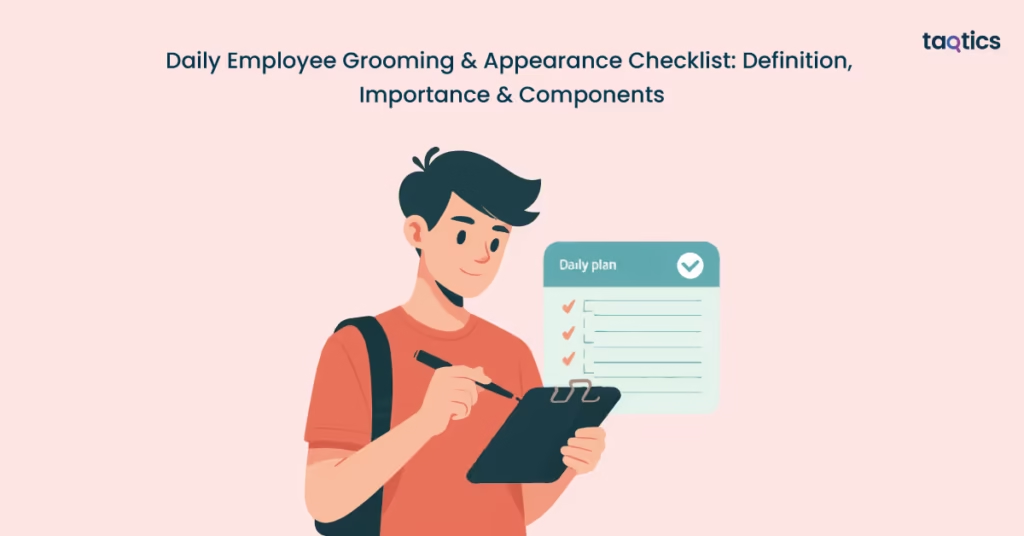
The daily employee grooming and appearance checklist serves as a structured guide for employees to maintain professional hygiene, attire, and overall presentation on a daily basis. The daily employee grooming and appearance checklist ensures that individuals present themselves neatly, confidently, and in line with workplace expectations. For example, a front-desk employee at a hotel might check every morning that their uniform is spotless, shoes polished, hair neatly styled, and personal hygiene maintained before greeting guests.
A 2023 paper titled Training for Employee Grooming: Reflections on the Hospitality Industry published in the Arjo Journal of Business Management, notes that well-groomed staff not only make positive first impressions but also exhibit higher confidence and communication skills. Studies also show that employees who follow grooming standards report higher self-esteem and productivity
Download the checklist. Run it like a system.
Get the ready-to-use template, and see how Taqtics captures photo proof, timestamps, and compliance automatically.
What Is an Employee Grooming and Appearance Checklist?
An Employee Grooming and Appearance Checklist is a structured guide that outlines the daily standards and practices employees should follow to maintain a professional, clean, and appropriate appearance at work. It defines expectations regarding attire, personal hygiene, grooming, and overall presentation, ensuring employees consistently reflect the organization’s values and culture. Such a checklist is highly relevant because it directly affects how employees are perceived by clients, colleagues, and supervisors, and it plays a key role in fostering a professional and cohesive workplace environment.
The importance of a grooming and appearance checklist varies across industries but is universally significant:
- Corporate sector: Employees in client-facing roles, meetings, and presentations must maintain polished attire and professional grooming to enhance credibility and workplace trust.
- Retail: Sales associates and store staff need to maintain clean uniforms, tidy hair, and approachable appearance to improve customer experience and satisfaction.
- Healthcare: Medical staff must adhere to hygiene and grooming standards to ensure patient safety and convey professionalism.
- Food service: Employees in kitchens and restaurants must maintain cleanliness and proper grooming to comply with health regulations and create a positive impression on patrons.
Key elements of proper presentation often include:
- Clean and well-fitted attire or uniform.
- Neat hair and facial grooming.
- Personal hygiene, including fresh breath and trimmed nails.
- Minimal and workplace-appropriate accessories.
- Overall polished and professional demeanor consistent with company standards.
This checklist is closely tied to HR policies and organizational standards. By formalizing grooming expectations, HR departments can clearly communicate what is considered acceptable behavior and appearance, reducing ambiguity and maintaining fairness across teams. It also supports professionalism by promoting confidence, discipline, and a positive first impression in every employee interaction.
Why Is Grooming and Personal Appearance Important in the Workplace?
Grooming and personal appearance are Important in the Workplace for maintaining first impressions and brand representation, hygiene and safety considerations (especially in healthcare and food service), and consistency and professionalism in company culture.
- First Impressions and Brand Representation: Employees often serve as the first point of contact for clients, customers, and visitors. A polished and professional appearance helps build trust, credibility, and a positive perception of the organization’s brand.
- Hygiene and Safety Considerations: In sectors like healthcare and food service, proper grooming and personal hygiene are critical for safety and compliance. Maintaining cleanliness prevents contamination, protects patients and customers, and ensures a healthy work environment.
- Consistency and Professionalism in Company Culture: Adhering to grooming standards fosters a cohesive, disciplined workplace. Consistent professional appearance encourages accountability, strengthens team morale, and reinforces a culture of respect and professionalism across the organization.
Following clear standards and checklists ensures a well-groomed workforce, which not only leaves a positive impression on clients and colleagues but also fosters confidence, discipline, and a culture of excellence within the organization.
What Should Be Included in a Daily Employee Grooming & Appearance Checklist?
A daily employee grooming and appearance checklist must include details of personal hygiene and grooming, attire and accessories, and general appearance.
Personal Hygiene and Grooming
This section focuses on maintaining cleanliness and neatness to ensure employees are comfortable, confident, and professional:
- Shower and Deodorant: Bathe daily and use a mild deodorant to prevent body odor.
- Oral Hygiene: Brush teeth at least twice a day and use mouthwash to maintain fresh breath.
- Hair: Keep hair clean, neatly styled, and brushed. Hair should be out of the face and not interfere with work.
- Facial Hair: Maintain a clean-shaven look or keep beards and mustaches neatly trimmed and shaped.
- Nails: Keep fingernails clean and trimmed. Avoid bright or distracting nail polish.
- Skin and Makeup: Use light, natural-looking makeup if required. Avoid excessive or distracting cosmetics.
Attire and Accessories
This section ensures employees are dressed appropriately for their roles and reflect the company’s professional image:
- Uniform/Clothing: Wear clean, ironed, and wrinkle-free uniforms or business attire. Check for stains, missing buttons, or loose threads.
- Shoes: Choose clean, polished, and well-maintained shoes suitable for the workplace. Avoid scuffs or worn-out footwear.
- Socks/Stockings: Wear clean socks or stockings that match the uniform and are in good condition.
- Jewelry: Keep jewelry minimal, such as a wedding ring or conservative wristwatch, following company policy.
General Appearance
This section covers aspects of overall presentation and adherence to company policies:
- Scent: Use perfume, aftershave, or cologne sparingly; avoid overpowering scents.
- Tattoos/Piercings: Cover visible tattoos and follow company guidelines regarding piercings.
- Badge: Ensure your name badge is clean, visible, and properly displayed. Report any loss or damage to HR.
By including these sections in a daily checklist, employees can maintain a professional and polished appearance while meeting organizational expectations.
Download the checklist. Run it like a system.
Get the ready-to-use template, and see how Taqtics captures photo proof, timestamps, and compliance automatically.
How Can Employers Implement a Grooming and Appearance Policy?
Employers can implement a grooming and appearance policy by drafting a clear and inclusive policy, communicating expectations to employees, and incorporating it into hr handbook and onboarding materials.
- Drafting a Clear and Inclusive Policy: Develop a written policy that outlines grooming and appearance standards for all employees, ensuring it is inclusive and considers cultural, religious, and personal differences. Specify expectations regarding attire, personal hygiene, hairstyles, makeup, tattoos, and piercings, while remaining respectful and non-discriminatory.
- Communicating Expectations to Employees: Clearly share the policy through meetings, emails, or training sessions. Reinforce the rationale behind the guidelines, emphasizing professionalism, safety, and brand representation. Encourage employees to ask questions or seek clarification to ensure consistent understanding and adherence.
- HR Handbook and Onboarding Materials: Include the grooming and appearance policy in the employee handbook and onboarding materials. This ensures new hires understand the expectations from day one and provides a reference for existing employees. Regular reminders and updates can reinforce the policy and maintain workplace consistency.
By clearly communicating expectations, providing guidance through HR materials, and fostering inclusivity, employers can ensure employees consistently present themselves in a manner that reflects the company’s values and enhances its overall brand image.
How Do Grooming Standards Differ by Industry?
Grooming standards differ by industry, including manufacturing, food service, and warehousing, hospitality and customer service, healthcare and medical fields, and corporate and office environments.

Manufacturing, Food Service, and Warehousing
In these sectors, grooming standards focus on safety, hygiene, and functionality. Employees are required to wear clean uniforms or protective clothing, keep hair tied back or covered, maintain trimmed nails, and avoid loose jewelry that could cause accidents. Proper personal hygiene is critical, especially in food service, to prevent contamination and ensure compliance with health regulations.
Hospitality and Customer Service
Employees in hotels, restaurants, and retail environments are often the face of the brand. Grooming standards emphasize polished appearance, neat uniforms, tidy hair, minimal jewelry, and professional presentation. Personal hygiene, fresh breath, and approachable demeanor are essential for creating a positive customer experience.
Healthcare and Medical Fields
In healthcare, grooming standards prioritize hygiene, cleanliness, and infection control. Staff must maintain short, clean nails, cover tattoos and follow piercing guidelines, wear clean scrubs or uniforms, and adhere to strict personal hygiene practices. These standards protect patients and maintain a professional and trustworthy environment.
Corporate and Office Environments
In office settings, grooming standards focus on professionalism and brand representation. Employees are expected to wear business-appropriate attire, keep hair and facial hair neatly styled, maintain personal hygiene, and present a polished overall appearance. While some workplaces may allow more casual dress codes, cleanliness, neatness, and professional presentation remain key.
By understanding and adhering to industry-specific guidelines, employees can maintain professionalism, ensure safety and hygiene, and positively represent their organization in every work environment.
What Are the Common Grooming Mistakes Employees Should Avoid?
The common grooming mistakes employees should avoid include overuse of cologne/perfume, wrinkled or unclean clothes, unkempt hair or facial hair, and visible tattoos/piercings.
- Overuse of Cologne/Perfume: Wearing too much fragrance can be distracting or even trigger allergies in coworkers and clients. It’s best to use mild scents sparingly to maintain a pleasant and professional environment.
- Wrinkled or Unclean Clothes: Wearing dirty, stained, or wrinkled attire reflects poorly on professionalism and attention to detail. Employees should ensure their uniforms or business attire are clean, ironed, and well-maintained.
- Unkempt Hair or Facial Hair: Hair that is messy, greasy, or covering the face, as well as poorly maintained facial hair, can create an untidy appearance. Regular grooming, combing, and trimming are essential to present a polished look.
- Visible Tattoos/Piercings: Depending on company policy, visible tattoos or excessive piercings may not align with professional standards. Employees should follow workplace guidelines regarding coverage or moderation to maintain a professional image.
By paying attention to personal hygiene, attire, and overall presentation, employees can enhance their credibility and contribute positively to the organization’s image.
How to Create a Custom Grooming Checklist Template for Your Business?
To create a custom grooming checklist template for your business, you must allow standardizing expectations while accommodating department-specific needs.
- Layout and Accessibility: Design a clear and intuitive checklist that employees can easily follow. Consider providing it as a downloadable PDF or digital checklist, making it convenient for daily use and reference during training or evaluations.
- Editable Templates for Departments: Customize the checklist for different departments. For example, front-desk staff in hospitality may have different uniform and grooming requirements than warehouse or food-service employees. Department-specific edits ensure relevance while maintaining company-wide standards.
- Integration with HR Management Software: Incorporate the checklist into HR software for digital tracking, compliance monitoring, and onboarding. This allows HR teams to send reminders, update policies, and ensure consistent adherence across the organization.
By focusing on these areas, businesses can create an effective grooming checklist that promotes professionalism, safety, and consistency across the organization.
How Can Employers Enforce Grooming Standards Fairly?
Employers can enforce grooming standards fairly by focusing on performance reviews and check-ins, HR training and documentation, and avoiding bias or over-policing appearance.
- Performance Reviews and Regular Check-Ins: Conduct periodic check-ins and integrate grooming expectations into performance reviews. This allows managers to address concerns respectfully, provide guidance, and ensure consistency without singling out employees unfairly. Offering constructive feedback rather than reprimands helps maintain a positive work culture.
- HR Training and Proper Documentation: Train HR teams and supervisors on how to communicate and enforce grooming policies professionally and sensitively. Ensure all grooming guidelines are clearly documented, accessible, and uniformly applied across employees. Proper documentation helps prevent misunderstandings and ensures that decisions are based on written standards, not personal preferences.
- Avoiding Bias or Over-Policing Appearance: Employers must enforce grooming rules without discrimination or judgment. This means respecting cultural, religious, gender-expression, and medical considerations. Policies should focus on safety, professionalism, and hygiene, not subjective style choices. Avoid micro-monitoring employees’ appearance, which can create discomfort or distrust.
By combining consistent evaluation, informed HR processes, and an unbiased, respectful approach, employers can enforce grooming standards fairly while maintaining a positive and inclusive workplace environment.
Can an employer fire someone for poor grooming?
Yes, an employer can fire someone for poor grooming, but only if the grooming standards are clearly defined, consistently enforced, and directly tied to job requirements or company policy. Employers must ensure the rules are reasonable, non-discriminatory, and applied uniformly so that the termination is legally defensible and not perceived as biased or arbitrary.
Are grooming standards considered discrimination?
No, grooming standards are not considered discrimination as long as they are job-related, reasonable, and applied consistently to all employees. However, they can become discriminatory if they unfairly target a specific gender, religion, ethnicity, or cultural practice. Employers must ensure their policies respect legal protections and allow reasonable accommodations where required.
What happens if an employee refuses to follow grooming policies?
If an employee refuses to follow grooming policies, employers typically start with a verbal reminder, followed by written warnings and performance discussions. If the non-compliance continues, it may lead to disciplinary action, which can include suspension or termination, provided the policy is reasonable, consistently applied, and allows for accommodations related to medical, cultural, or religious needs.
About the Author