Pest Control Inspection Checklist: Definition, Importance & Components
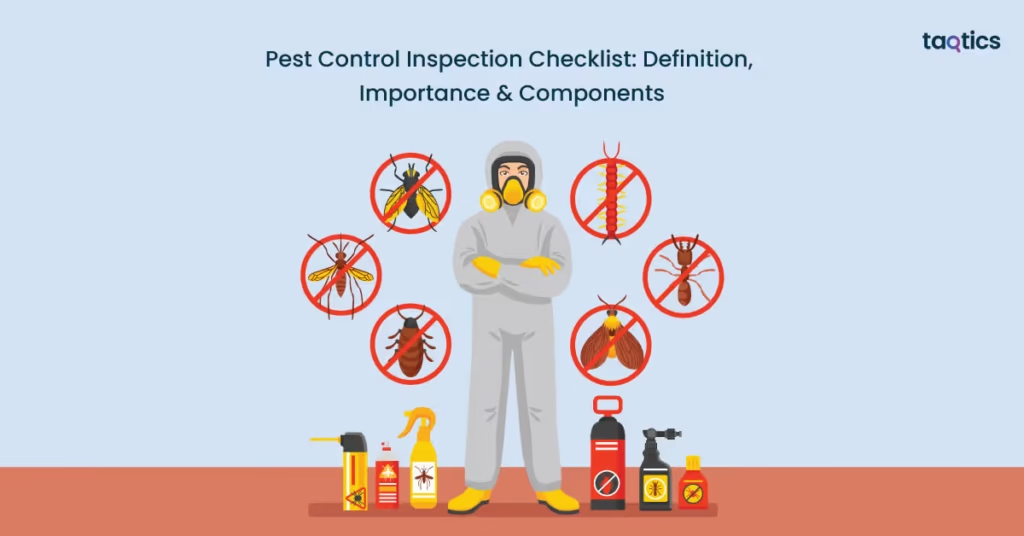
A pest control inspection checklist is a structured guide used by restaurants and food establishments to systematically inspect for pests, ensure sanitation standards, and verify that preventive measures are in place. A pest control inspection checklist provides a detailed framework to identify, monitor, and manage pest activity, including rodents, insects, and other vermin, ensuring compliance with hygiene and safety regulations.
Imagine in a neighbourhood cafe, the morning shift manager walks through the kitchen, store room and dining area, checking for signs of ants near the delivery door, sealing cracks under the counter, and making sure that all rubbish is secured. According to recent inspections reported in The Times of India, about one in three hotels and restaurants lacked effective pest‑control measures during state audits.
Effective pest control directly impacts food safety, regulatory compliance and customer trust. For instance, when a restaurant suffers a rodent or cockroach outbreak, it can lead to immediate closure or brand damage. Industry guidance emphasises that regular inspections, monitoring traps and sealing entry points are essential components of pest management.
Download the checklist. Run it like a system.
Get the ready-to-use template, and see how Taqtics captures photo proof, timestamps, and compliance automatically.
What Is a Pest Control Inspection at the Store Level?
A pest control inspection at the store level involves a systematic assessment of the entire retail environment to identify, monitor, and manage potential pest activity. Its primary purpose is to reduce operational risks, maintain compliance with food safety regulations, and ensure a clean, safe environment for both customers and staff.
The key aspects of store-level pest inspections include:
- Risk reduction: Minimizing the likelihood of contamination, product loss, and reputational damage.
- Regulatory compliance: Ensuring adherence to food safety standards and local health department requirements.
- Food safety assurance: Preventing contamination of products through rigorous monitoring of storage and handling areas.
- Monitoring and recordkeeping: Maintaining logs of inspection findings, corrective actions, and follow-ups for audit readiness.
- Staff awareness: Training employees to identify early signs of pests and follow preventive measures.
Unlike a home inspection, which typically focuses on isolated issues like ants, termites, or rodents in a single dwelling, store-level inspections cover high-traffic areas, storage rooms, food preparation zones, and delivery points, making them more complex and critical for operational continuity.
Why Is a Store-Level Pest Inspection Important?
A store-level pest inspection is important because it directly safeguards public health, protects brand reputation, and ensures uninterrupted business operations. Pests such as rodents, cockroaches, and flies can carry harmful pathogens, posing serious health risks to customers and staff.
- Health risks: Regular inspections prevent contamination of food, surfaces, and storage areas, reducing the likelihood of disease outbreaks.
- Brand image: Evidence of pest activity can damage customer trust and negatively affect reviews, impacting sales and long-term loyalty.
- Business continuity: Infestations can lead to temporary closures or operational disruptions, affecting revenue and staff productivity.
- Regulatory compliance and penalties: Failure to maintain pest-free environments can result in fines, license suspensions, or legal action under local food safety regulations and FDA guidelines. (fda.gov, 2023)
According to the CDC report, 2022, and the WHO report, 2023, proper hygiene and pest control are critical in preventing foodborne illnesses, including Salmonella, E. coli, and norovirus. Overall, store-level pest inspections are essential for maintaining food safety, regulatory compliance, and a positive customer experience, making them a non-negotiable part of retail operations.
What Should Be Included in a Pest Control Inspection Checklist?
A pest control inspection checklist should include exterior and interior inspection of a store that is systematically monitored for pest activity, sanitation issues, and structural vulnerabilities, while also maintaining proper documentation and monitoring practices.
Exterior Inspection
The exterior of the building is the first line of defense against pests. Key points include:
- Building Perimeter: Keep the area around the building clear of debris, vegetation, or clutter within 18–24 inches to eliminate pest harborage.
- Doors and Windows: Ensure all exterior doors fit tightly, have proper seals and door sweeps. Windows opening outside should have intact insect-proof screens.
- Foundation and Utility Penetrations: Inspect for cracks in the foundation and seal gaps around pipes, electrical conduits, and HVAC lines with caulk or expanding foam.
- Waste Management: Maintain dumpsters and waste bins with tight-fitting lids on a cleanable, hard surface, located away from doors.
- Moisture Sources: Remove standing water and repair leaks in gutters or irrigation systems to prevent water-attracting pests.
Interior Inspection
Inside the store, vigilance ensures that pests do not infiltrate food storage or customer areas:
- Signs of Pests: Look for droppings, gnaw marks, nests, shed skins, tracks, or unusual odors.
- Food Storage: Store all food and packaging in sealed, pest-proof containers, off the floor, and away from walls.
- Stock Rotation: Apply FIFO or FEFO methods to prevent expired or old stock that can harbor pests.
- Cleanliness and Clutter: Immediately clean spills, sweep and mop floors regularly, and minimize clutter where pests may hide.
- Moisture Control: Address leaks, ensure floor drains are covered and functioning, and use ventilation/dehumidifiers to prevent damp areas.
- Structural Integrity: Inspect walls, baseboards, and ceiling tiles for cracks, gaps, or water damage that could provide entry points.
- Incoming Shipments: Check all deliveries for pest signs before they enter main storage or sales areas.
Documentation and Monitoring
Maintaining records and monitoring devices is critical for long-term pest prevention:

- Pest Activity Log: Keep a log accessible to all staff for recording sightings with date, time, and location.
- Monitoring Devices: Map, secure, and regularly inspect bait stations, glue boards, or pheromone traps.
- Service Records: Retain service reports, pesticide application records (including MSDS), and technician licenses.
- Staff Training: Train employees on pest prevention, sanitation practices, and reporting procedures.
- Corrective Actions: Document any issues found during inspections and the steps taken to resolve them.
Following a comprehensive pest control inspection checklist ensures that a store remains compliant with health regulations, minimizes the risk of infestations, and safeguards both products and customer confidence.
What Are the Most Common Pests Found in Stores?
The most common pests found in stores are those that threaten food safety, product integrity, and overall hygiene. Each pest carries unique risks that can affect operations, compliance, and customer trust.
| Pest | Risks |
| Rodents (rats, mice) | Contaminate food with droppings and urine, chew on packaging and wiring, and can transmit diseases like salmonella and leptospirosis. |
| Cockroaches | Spread bacteria and pathogens, contaminate surfaces and food, trigger allergies and asthma, and survive in unsanitary conditions. |
| Flies | Transfer bacteria and pathogens from waste to food surfaces, increase risk of foodborne illnesses, and indicate sanitation issues. |
| Stored Product Pests (beetles, moths) | Infest packaged goods such as grains, cereals, and flour, causing contamination and product loss. |
| Ants | Invade food storage areas, contaminate products, and create trails that are difficult to clean. |
| Birds (especially in warehouses or big box stores) | Spread droppings that contaminate food and surfaces, carry pathogens, and can damage infrastructure. |
Maintaining vigilant pest control inspections and preventive measures minimizes the risk these pests pose to health, compliance, and store operations.
How Often Should Pest Inspections Be Conducted in Retail Stores?
Pest inspections should be conducted in retail stores regularly to prevent infestations, ensure food safety, and maintain compliance with health regulations. The frequency and depth of inspections depend on store type, traffic, and the nature of products sold.
- Daily visual checks: Store staff should perform quick walkthroughs of the sales floor, storage areas, and exterior perimeter to spot any signs of pests such as droppings, gnaw marks, or live insects. This is especially critical for grocery stores and convenience stores where food is exposed.
- Weekly detailed inspections: A more thorough inspection should cover food storage, waste areas, HVAC and plumbing access points, and less visible corners. Pharmacies and health-related retail outlets may require weekly inspections to prevent contamination of medical products.
- Quarterly professional audits: Certified pest control professionals should conduct in-depth inspections every 3 months, including monitoring traps, assessing structural vulnerabilities, and reviewing previous logs. This is recommended for larger retail outlets and warehouses, where high stock volumes increase the risk of infestations.
Following this layered inspection schedule ensures timely detection, prevention, and mitigation of pest risks, maintaining safety, compliance, and customer confidence.
Who Is Responsible for Store Pest Inspections?
The responsibility for store pest inspections is shared among multiple roles to ensure a comprehensive and effective approach. A coordinated effort helps maintain hygiene, prevent infestations, and comply with food safety regulations.
- Store Manager: Oversees daily visual inspections, ensures staff follow pest prevention protocols, reviews inspection logs, and coordinates corrective actions.
- Facilities Team: Handles structural maintenance, sealing entry points, managing waste disposal, and addressing any water or moisture issues that could attract pests.
- External Pest Control Providers: Conduct scheduled professional inspections, monitor traps, apply treatments safely, and provide guidance on preventive measures.
This structure aligns with the Integrated Pest Management (IPM) approach, which emphasizes monitoring, prevention, and minimal use of chemical treatments. Staff are trained to recognize early signs of pest activity, maintain cleanliness, and follow a reporting protocol for any issues discovered during daily operations, ensuring timely intervention and audit-ready documentation.
What Tools and Equipment Are Used in a Store Pest Inspection?
The tools and equipment used in a store pest inspection are a mix of manual and digital resources designed to detect, monitor, and document pest activity effectively, ensuring a safe and compliant retail environment.
- Flashlights and mirrors: For inspecting dark corners, under shelves, and behind equipment where pests often hide.
- Sticky traps and monitoring stations: Placed strategically to detect rodents, insects, or other pests over time.
- Moisture meters: Identify damp areas, leaks, or water accumulation that attract pests like cockroaches or termites.
- Pest control app or logbook: Digital or physical logs allow staff to record sightings, inspection results, and corrective actions systematically.
- Digital inspection software: Cloud-based platforms help schedule inspections, track pest activity, generate reports, and maintain audit-ready documentation in real time.
These tools enable consistent, thorough, and efficient inspections, minimizing infestation risks and ensuring compliance with food safety and health regulations.
What Are Signs of a Pest Infestation in Retail Stores?
The signs of a pest infestation in retail stores indicate the presence of rodents, insects, or other vermin and help staff take timely corrective actions to prevent contamination, damage, or regulatory violations.
- Droppings: Small, pellet-like droppings from rodents or insects, often found near food storage, shelves, or corners.
- Nests: Rodents may build nests from shredded packaging, paper, or cloth in hidden areas like under counters, behind shelves, or inside storage rooms.
- Gnaw marks: Evidence of rodents chewing on packaging, wires, wooden fixtures, or cardboard boxes.
- Odor: Musty, ammonia-like, or oily smells can indicate rodent or cockroach activity in walls, storage rooms, or behind appliances.
- Product damage: Holes in packaging, chewed labels, or contamination of food products are strong indicators of pest activity.
- Sightings: Live pests spotted in storage, sales, or waste areas, including rodents, cockroaches, ants, or flies.
Early identification of these signs is crucial for effective pest management, minimizing food contamination, product loss, and reputational damage.
How Can Stores Prevent Pest Infestations?
Stores can prevent pest infestations by implementing a combination of proactive strategies that reduce the likelihood of pests entering or thriving in the retail environment.
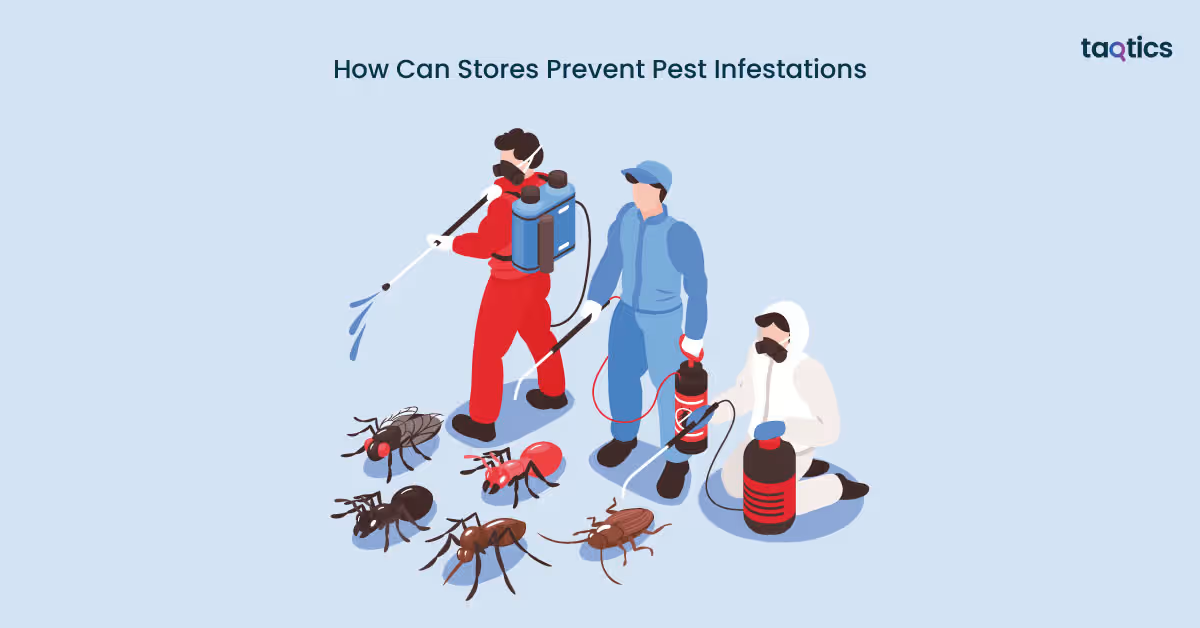
- Sanitation practices: Regularly clean floors, shelves, counters, and storage areas; promptly remove spills and crumbs to eliminate food sources for pests.
- Stock rotation: Follow FIFO (First-In, First-Out) or FEFO (First-Expire, First-Out) methods to prevent accumulation of old stock that could attract pests.
- Waste management: Keep dumpsters and trash bins covered, clean, and located away from entrances; dispose of waste regularly.
- Employee awareness: Train staff to identify early signs of pests, maintain cleanliness, and report sightings immediately.
- Seal entry points: Inspect and repair cracks, gaps, and holes in walls, doors, windows, and around utility lines to prevent pest entry.
- Routine maintenance: Regularly check plumbing, HVAC systems, and equipment for leaks or conditions that can harbor pests.
Implementing these preventive measures consistently ensures a pest-free environment, reduces the risk of contamination, and maintains smooth retail operations.
How Do You Document a Pest Control Inspection?
You can document a pest control inspection for tracking pest activity, ensuring compliance with regulations, and enabling timely corrective actions.
- Inspection Log: Maintain a log (paper or digital) noting date, time, inspector name, and areas inspected, along with detailed observations such as droppings, nests, or live pests.
- Photographic Evidence: Take photos of any signs of infestation or high-risk areas to support reports and staff training.
- Corrective Actions: Record all actions taken to address issues, such as sealing gaps, cleaning affected areas, or applying treatments, along with the responsible personnel.
- Monitoring Devices: Document the status of traps, bait stations, and other monitoring devices, including placement, inspections, and maintenance.
- Service Reports: Keep copies of professional pest control service reports, pesticide application records, MSDS sheets, and technician certifications.
- Digital Tools: Use pest management software or mobile apps to schedule inspections, track observations, generate reports, and maintain audit-ready records.
Consistently documenting inspections ensures a pest-free environment, supports compliance, and helps identify recurring issues before they escalate.
Download the checklist. Run it like a system.
Get the ready-to-use template, and see how Taqtics captures photo proof, timestamps, and compliance automatically.
What Happens After a Pest Is Found in a Store?
When a pest is found in a store, immediate and systematic actions are necessary to prevent contamination, protect food safety, and maintain compliance with health regulations.
- Isolate the Area: Restrict access to the affected section to prevent pests from spreading and to protect products from contamination.
- Identify the Pest: Determine the type of pest (rodent, cockroach, stored product pest, etc.) to select the appropriate control measures.
- Take Corrective Action: Apply targeted control measures such as traps, baits, or approved pesticide treatments. Repair structural issues like gaps, cracks, or leaky pipes that may have allowed pest entry.
- Dispose of Contaminated Products: Remove any food, packaging, or materials that have been contaminated to prevent health risks.
- Document the Incident: Record the sighting, area affected, corrective actions taken, and personnel involved in the pest activity log or digital inspection system.
- Review Preventive Measures: Assess and update sanitation practices, employee training, and monitoring systems to prevent future infestations.
- Professional Assistance: Engage certified pest control providers if the infestation is significant or recurring, ensuring compliance with regulatory guidelines.
Taking prompt, well-documented action ensures that the store maintains hygiene standards, prevents product loss, and safeguards customer health.
What Regulations or Guidelines Should Store Pest Control Follow?
The regulations or guidelines that store pest control should follow are FSSAI, GMP, GHP, health and municipal codes, and IPM.
- Food Safety and Standards Authority of India (FSSAI): Requires that all food storage, handling, and retail areas maintain pest-free conditions. Regular inspections, sanitation, and pest management practices must comply with FSSAI regulations.
- Good Manufacturing Practices (GMP) and Good Hygiene Practices (GHP): Specify pest control as a critical component, including proper storage, facility maintenance, and monitoring programs.
- Local Health and Municipal Codes: Retail stores must adhere to local sanitation laws that mandate waste management, building maintenance, and pest prevention measures.
- Integrated Pest Management (IPM) Guidelines: Encourage a systematic approach combining monitoring, preventive practices, and minimal chemical intervention to control pests effectively.
- Documentation and Recordkeeping: Maintain logs, inspection reports, and corrective actions as required by regulatory bodies for audit and compliance purposes.
- Chemical Use Regulations: Any pesticide application must follow labeling instructions, safety data sheets (MSDS), and approved usage practices to protect staff, customers, and the environment.
Following these guidelines ensures that stores minimize pest-related risks, comply with legal requirements, and maintain safe, hygienic environments for customers and staff.
About the Author