
Workplace Safety In Manufacturing: Definition, Safety Hazards & Safety Practices
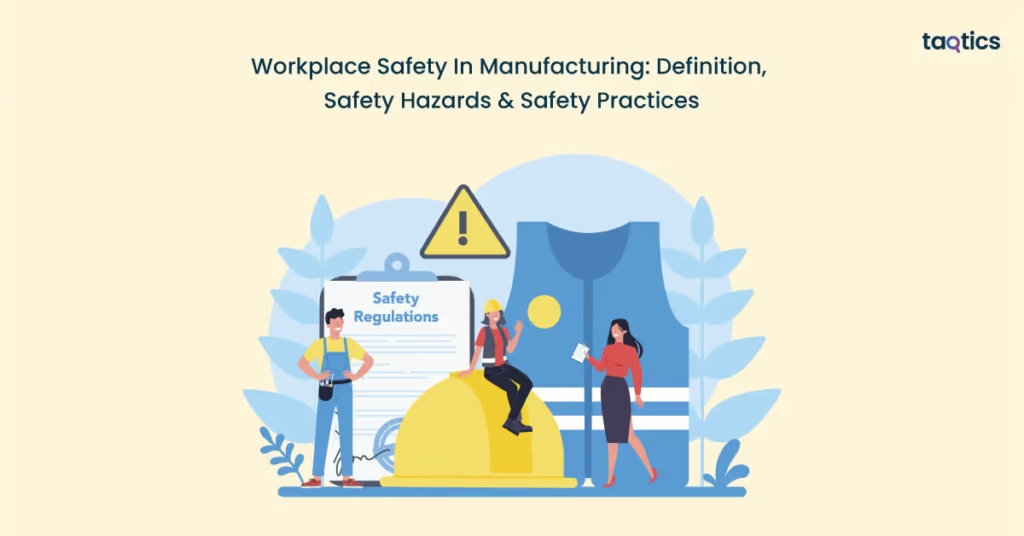
Workplace safety in manufacturing is the backbone of both productivity and employee well-being in industrial environments, where daily routines often involve heavy machinery, moving conveyors, and chemicals that, if mishandled, can lead to serious harm. Workplace safety in manufacturing encompasses systematic practices to prevent incidents that might otherwise occur when a machine malfunctions while a technician tightens a bolt or when a worker slips on an oil-slicked floor during a busy shift — situations that are all too common on the shop floor.
According to the U.S. Bureau of Labor Statistics (2023), manufacturing reported about 355,800 injury and illness cases in the year, a notable sector share where safety measures directly correspond to fewer workplace accidents and illnesses. Moreover, machine-vision research such as the SH17 dataset initiative (2024) demonstrates how automated detection of correct use of Personal Protective Equipment (PPE), like gloves and helmets, can significantly enhance compliance and safety outcomes in everyday manufacturing settings.
What Is Workplace Safety In Manufacturing?
Workplace safety in manufacturing refers to the policies, procedures, and practices designed to protect workers from injuries, illnesses, and accidents in manufacturing environments where machinery, materials, and processes pose inherent risks. It ensures that daily operations are carried out safely while complying with regulatory and industry standards.
The key aspects of workplace safety in manufacturing include:
- Hazard identification: Recognizing risks from machinery, chemicals, noise, heat, and manual handling
- Preventive measures: Using machine guards, safety signage, lockout/tagout systems, and ventilation
- Personal protective equipment (PPE): Helmets, gloves, safety shoes, goggles, and hearing protection
- Safe work procedures: Standard operating procedures (SOPs) for operating equipment and handling materials
- Training and awareness: Regular safety training, drills, and toolbox talks for workers
- Emergency preparedness: Clear evacuation plans, fire safety systems, and first-aid readiness
- Regulatory compliance: Adhering to occupational safety laws and manufacturing safety standards
These elements create a structured approach to minimizing risks and maintaining a safe, productive manufacturing workplace.
Why Is Workplace Safety Critical in Manufacturing?
Workplace safety is critical in manufacturing because it directly influences worker well-being, operational continuity, and long-term business performance.
- Protects human life and health: Manufacturing involves machinery, chemicals, and manual handling that can cause serious injuries or fatalities if unmanaged.
- Reduces injury and fatality rates: OSHA and NIOSH data consistently show manufacturing as a high-risk sector, making safety controls essential.
- Minimizes financial losses: Accidents lead to medical costs, compensation claims, legal penalties, and equipment damage.
- Prevents productivity disruptions: Injuries cause downtime, absenteeism, and delays in production schedules.
- Improves employee morale: A safe workplace builds trust, confidence, and a sense of care among workers.
- Lowers turnover and absenteeism: Employees are more likely to stay and perform consistently in safe environments.
- Ensures regulatory compliance: Adhering to safety standards helps avoid fines, shutdowns, and reputational damage.
- Enhances overall efficiency: Safe processes reduce errors, rework, and unplanned interruptions on the shop floor.
By preventing accidents, protecting workers, and fostering a culture of safety, manufacturers can reduce losses, sustain productivity, and build a motivated workforce, creating safer facilities that support long-term operational success and business growth.
What Are the Most Common Safety Hazards in Manufacturing?
The most common safety hazards in manufacturing are related to equipment, material movement, and workplace conditions that workers encounter during everyday operations.
- Machinery hazards: Unguarded machines, moving parts, and improper lockout/tagout can cause cuts, crush injuries, or amputations.
- Forklift and vehicle hazards: Collisions, overturns, and pedestrian strikes occur in busy production and warehouse areas.
- Conveyor belt hazards: Entanglement, pinch points, and unexpected start-ups can lead to serious injuries if safety controls are missing.
- Slips, trips, and falls: Oil spills, uneven floors, loose cables, and poor housekeeping are common causes of workplace accidents.
Identifying and controlling these hazards is essential to reducing injuries and maintaining a safe manufacturing environment.
Are There Chemical Or Biological Risks In Factories?
Yes, there are chemical and biological risks in factories, especially in manufacturing environments that use raw chemicals, solvents, or biological materials as part of daily operations.
- Exposure to toxic substances: Workers may come into contact with chemicals such as solvents, acids, fumes, dust, or gases that can cause burns, respiratory issues, or long-term health problems.
- Inadequate ventilation: Poor airflow can allow harmful vapors, fumes, or airborne particles to accumulate, increasing the risk of inhalation-related illnesses.
- Chemical spills and leaks: Accidental releases during storage, mixing, or transport can pose immediate safety and environmental hazards.
- Biological exposure (in specific industries): Food processing, pharmaceuticals, and waste-handling facilities may expose workers to bacteria, molds, or other biological agents.
Proper ventilation systems, safe handling procedures, and the use of appropriate PPE are essential to managing these risks effectively.
What Ergonomic Hazards Affect Workers?
The ergonomic hazards that affect workers include physical strain caused by repetitive tasks and poorly designed work environments that place stress on the body.
- Repetitive motion: Performing the same movements repeatedly can lead to musculoskeletal disorders such as carpal tunnel syndrome or tendonitis.
- Poor workstation design: Incorrect table heights, awkward postures, or improper tool placement can cause back, neck, and shoulder pain.
- Manual handling: Frequent lifting, pushing, or pulling of heavy materials increases the risk of strains and sprains.
- Prolonged standing or sitting: Remaining in one position for long periods can lead to fatigue and circulation problems.
Addressing ergonomic hazards through proper workstation design and task rotation helps improve comfort, reduce injuries, and enhance productivity.
What Are OSHA Requirements for Manufacturing Safety?
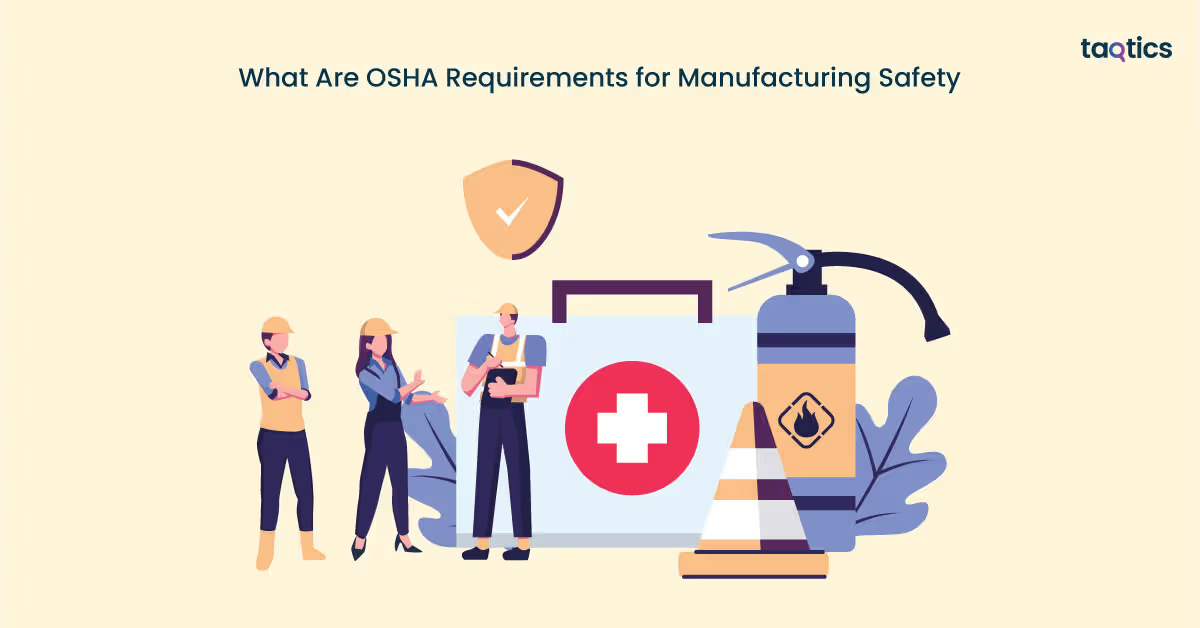
The OSHA requirements for manufacturing safety are designed to protect workers from workplace hazards, ensure safe operations, and enforce accountability through inspections and penalties. Complying with OSHA requirements not only avoids penalties but also helps manufacturers build safer, more resilient workplaces.
There are six key OSHA standards that manufacturers must follow.
- Machine guarding: Protecting workers from moving parts, pinch points, and rotating equipment
- Hazard Communication (HazCom): Proper labeling, Safety Data Sheets (SDS), and employee training on chemicals
- Lockout/Tagout (LOTO): Controlling hazardous energy during equipment maintenance and servicing
- Personal Protective Equipment (PPE): Providing and enforcing the use of appropriate protective gear
- Electrical safety: Safe wiring, grounding, and protection from electrical hazards
- Walking-working surfaces: Preventing slips, trips, and falls through proper floor conditions and guardrails
Inspections may be scheduled or unannounced, often triggered by complaints, accidents, or high-risk industries. OSHA officers conduct opening and closing conferences, site walk-throughs, employee interviews, and document reviews. Non-compliance with the same leads to fines, citations, high penalties, and even operational shutdowns.
What Are The Key Safety Practices & Standards In Manufacturing Industry?
The key safety practices and standards in the manufacturing industry are focused on preventing injuries, controlling hazards, and ensuring consistent compliance with safety regulations across all operations.
- Personal Protective Equipment (PPE): Mandate and train workers on proper use of hard hats, safety glasses, respirators, earplugs, gloves, and steel-toed boots based on task-specific risks.
- Machine Safety: Implement machine guarding, lockout/tagout (LOTO) during maintenance, and train operators on emergency stops and safe machine operation.
- Training & Procedures: Conduct ongoing training on safe work practices, hazard recognition, emergency response, and safe operation of forklifts and heavy machinery.
- Housekeeping: Keep floors and work areas free from clutter, dust, debris, and spills to prevent slips, trips, falls, and fire hazards.
- Ergonomics: Design workstations, tools, and workflows to reduce physical strain and repetitive motion injuries.
- Chemical Safety: Ensure proper handling, storage, labeling, ventilation, and use of respirators when working with hazardous substances.
- Electrical Safety: Use insulated tools, maintain safe wiring, and strictly follow lockout/tagout protocols to control electrical hazards.
- Noise Control: Monitor noise levels and provide appropriate hearing protection in high-noise production areas.
In ensuring key safety practices & standards in the manufacturing industry, both employees and employers play clearly defined and equally important roles in maintaining a safe workplace.
Employee Responsibilities
Employees are the first line of defense against workplace hazards and must actively follow safety requirements during daily operations. Their responsibilities include:
- Wearing all required PPE correctly to reduce exposure to physical, chemical, and noise-related hazards.
- Reporting hazards, near misses, and injuries immediately so risks can be addressed before they lead to serious accidents.
- Keeping work areas clean and organized to prevent slips, trips, falls, and fire hazards.
- Following all safety rules and procedures, including machine operation guidelines and lockout/tagout protocols.
- Avoiding loose clothing or jewelry near machinery to prevent entanglement and serious injuries.
Employer Responsibilities
Employers are responsible for creating and sustaining a structured safety system that supports workers and compliance standards. Their responsibilities include:
- Providing a safe working environment, along with necessary PPE and comprehensive safety training for all roles.
- Conducting regular safety audits and inspections to identify risks and ensure corrective actions are taken promptly.
- Developing and enforcing clear safety rules and procedures aligned with regulatory and industry standards.
- Building a strong safety culture that prioritizes prevention, encourages reporting, and ensures workers feel supported when raising safety concerns.
When employees follow safety practices and employers provide the right systems, training, and leadership, manufacturing organizations can effectively uphold safety standards and reduce workplace incidents.
How Can You Identify and Assess Workplace Risks?
You can identify and assess workplace risks by following a structured risk assessment process that systematically detects hazards, evaluates their impact, and puts effective controls in place.
- Identify hazards: Observe daily operations to spot risks related to machinery, chemicals, ergonomics, electrical systems, and work practices.
- Evaluate risks: Assess how likely an incident is to occur and how severe the consequences could be if it happens.
- Control risks: Implement appropriate controls such as engineering solutions, administrative procedures, PPE, or process changes to eliminate or reduce hazards.
- Use safety checklists: Standardized checklists help ensure routine inspections consistently cover all critical safety areas.
- Conduct regular audits: Internal and external safety audits verify compliance with safety standards and identify gaps in implementation.
- Gather employee feedback: Encourage workers to report hazards, near misses, and unsafe conditions, as they often notice risks first.
By combining formal assessments with practical tools and employee input, organizations can proactively manage workplace risks and maintain a safer manufacturing environment.
What Is the Role of Technology in Workplace Safety?
The role of technology in workplace safety is defined by its ability to proactively monitor risks, prevent incidents, and improve response through real-time data and digital systems.
- IoT devices and sensors: Monitor equipment conditions, temperature, gas leaks, vibration, and machine performance to detect hazards early.
- Wearables for workers: Smart helmets, bands, and vests track fatigue, location, and exposure to harmful conditions, helping prevent accidents.
- Real-time alerts: Automated warnings notify workers and supervisors immediately when unsafe conditions are detected.
- Digital incident tracking: Software systems log accidents, near misses, and unsafe behaviors for faster reporting and analysis.
- Data-driven risk analysis: Safety data helps identify patterns, high-risk areas, and recurring issues for preventive action.
- Remote monitoring and inspections: Cameras and dashboards allow supervisors to oversee safety compliance without disrupting operations.
Integrating technology into safety programs enables manufacturers to move from reactive responses to proactive risk prevention and continuous safety improvement.
How Can Software Help Manage Workplace Safety Programs?
Software can help manage workplace safety programs by centralizing safety processes, improving visibility into risks, and ensuring consistent compliance through digital tools.
Modern safety management platforms, often referred to as Environment, Health, and Safety (EHS) software, enable manufacturers to manage incidents, audits, training, and regulatory requirements from a single system.
- Centralized safety management: EHS software brings incident reporting, risk assessments, inspections, and corrective actions onto one platform.
- Real-time reporting: Enables immediate logging of incidents, near misses, and hazards, allowing faster response and preventive action.
- Document control: Stores SOPs, safety policies, MSDS/SDS, and training records securely with version control and easy access.
- Compliance tracking: Monitors regulatory requirements, audit schedules, and corrective actions to ensure ongoing compliance.
- Data analytics and dashboards: Provides insights into trends, high-risk areas, and safety performance metrics.
- Improved accountability: Assigns tasks, tracks closures, and documents actions taken for safety issues.
By using safety management software, manufacturers can streamline safety programs, reduce manual errors, and build a proactive, data-driven safety culture.
How Does Taqtics Improve Manufacturing Safety?
Taqtics improves manufacturing safety by incorporating digital tools that bring real-time visibility, consistency, and accountability to workplace safety programs.
- Real-time alerts and notifications: Instantly flags safety issues, deviations, or missed checks so corrective actions can be taken without delay.
- Mobile accessibility: Enables frontline workers and supervisors to report hazards, incidents, and near misses directly from the shop floor.
- Audit trails and traceability: Maintains detailed records of inspections, actions, and approvals, supporting compliance and accountability.
- Centralized safety documentation: Stores SOPs, safety checklists, permits, and compliance documents in one secure, easily accessible location.
- Streamlined safety training: Tracks training completion, refreshers, and certifications to ensure workers are always safety-ready.
- Efficient incident reporting: Simplifies reporting and investigation workflows, reducing manual effort and response time.
Digitizing safety processes using Taqtics helps manufacturers proactively manage risks, improve compliance, and create safer production environments.
How Do You Build a Culture of Safety on the Factory Floor?
You build a culture of safety on the factory floor by fostering shared responsibility, visible leadership, and consistent reinforcement of safe behaviors.
- Leadership commitment: Management must actively prioritize safety, lead by example, and allocate resources for safety programs, training, and equipment.
- Employee empowerment and safety ownership: Encourage workers to identify hazards, participate in safety discussions, and take responsibility for their own and colleagues’ safety.
- Rewards and recognition for safe practices: Acknowledge employees who follow safety protocols, report hazards, or contribute to improving safety, reinforcing positive behavior.
- Open communication: Maintain channels for reporting near misses and unsafe conditions without fear of reprisal.
- Continuous learning: Provide regular training, toolbox talks, and updates on safety procedures to keep knowledge fresh and relevant.
By embedding these principles into daily operations, manufacturers create an environment where safety becomes a shared value rather than just a compliance requirement.
What Should a Manufacturing Safety Checklist Include?
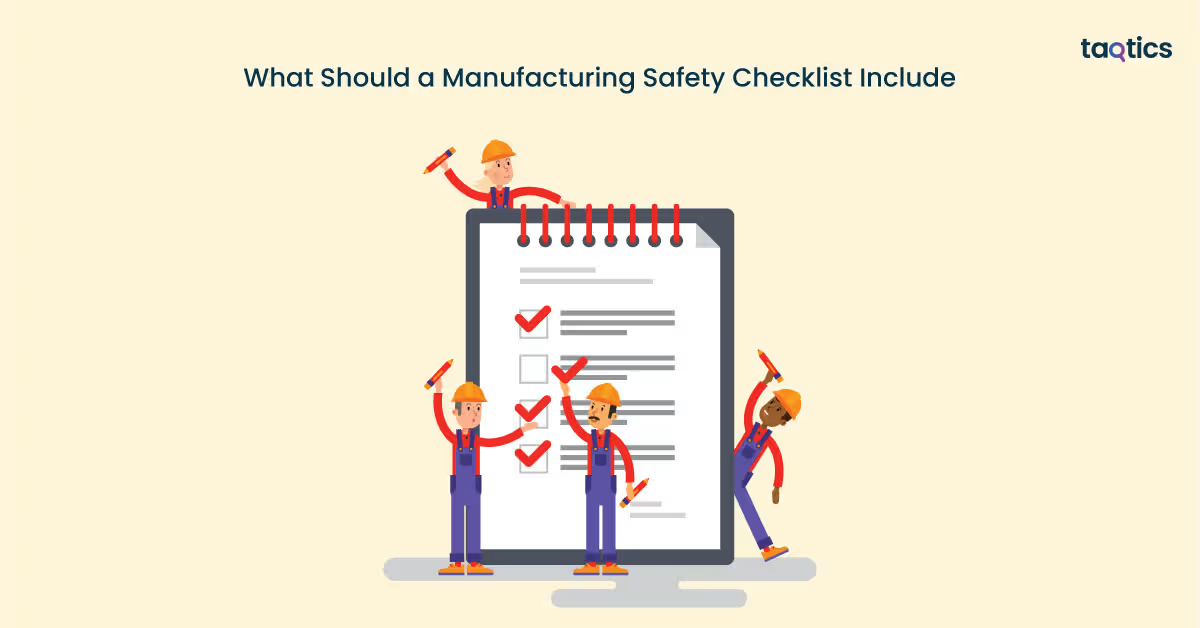
A manufacturing safety checklist should include items that ensure daily operations are conducted safely, hazards are monitored, and workers are prepared for emergencies.
- Daily and weekly inspection items: Check floors, workstations, equipment, PPE, and storage areas for hazards, cleanliness, and proper functioning.
- Machine maintenance logs: Record routine inspections, servicing, and any repairs to machinery to prevent malfunctions and accidents.
- Training and emergency preparedness: Verify that employees have up-to-date safety training, know emergency procedures, and can access first-aid and fire-fighting equipment.
- Hazard identification and reporting: Include sections to note observed risks, near misses, or unsafe conditions.
- Compliance verification: Ensure safety procedures, signage, and PPE usage meet regulatory and company standards.
- Follow-up actions: Track corrective measures taken for previously identified issues to ensure accountability and closure.
A comprehensive checklist helps maintain consistent safety standards and supports proactive risk management in the manufacturing environment.
How Can Taqtics Help Ensure Compliance and Reduce Risk?
Taqtics can help ensure compliance and reduce risk in manufacturing and other operational environments by acting as a centralized digital safety and operations platform that standardizes processes, captures real-time data, and drives accountability across teams.
Taqtics is a cloud-based operations management platform that digitizes checklists, audits, SOPs, and issue reporting to help frontline teams consistently follow safety and quality standards. It gives real-time visibility into task completion, compliance status, and corrective actions from a single dashboard.
- Real‑time alerts and audit trails: With mobile accessibility, Taqtics allows workers to report hazards, incidents, and near misses directly on the floor, while supervisors receive instant alerts and can track actions through full audit trails, reducing delays in response and ensuring issues are resolved promptly
- Centralized safety documentation: The platform stores safety checklists, EHS audits, machine maintenance logs, and compliance documents in one place, eliminating paper‑based systems and making it easier to prepare for internal reviews or regulatory inspections.
- Streamlining training and incident reporting: Taqtics supports digital training delivery and tracking, ensuring that workers complete required safety training and refresher courses; it also simplifies incident reporting with photos, timestamps, and structured forms to ensure accurate records.
- Integration with regulatory standards and internal policies: By enforcing structured checklists, scheduled audits, and automated corrective workflows, Taqtics helps organizations align day‑to‑day operations with internal safety policies and external regulatory standards, reducing the risk of non‑compliance and operational disruptions.
These capabilities help manufacturers proactively manage safety compliance, reduce operational risk, and foster a more disciplined and data‑driven safety culture.
About the Author