Production Line SOP Audits: Definition, Importance & How To Conduct
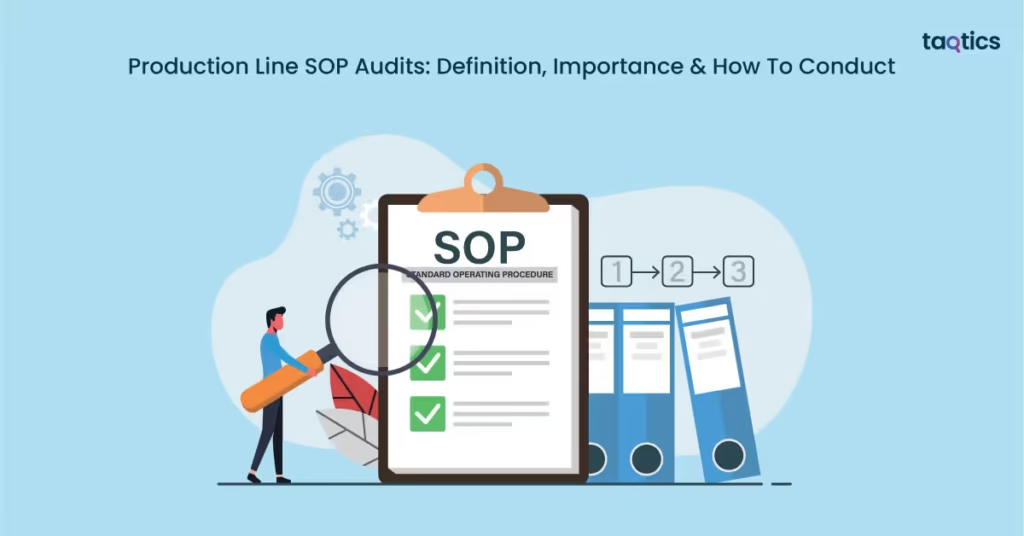
Production line SOP audits are systematic reviews of how well standard operating procedures (SOPs) are being followed on the factory floor, ensuring that each step of production is performed consistently and correctly, whether it’s verifying that operators on a packaging line follow the documented sequence or checking that machine changeover procedures are executed as written every shift. Production line SOP audits play out in daily situations like supervisors using structured checklists to confirm that key steps were completed during yesterday’s run or auditors walking the line to compare actual practice against the written SOP, helping catch deviations before they impact quality or safety.
According to ActARion, regular SOP auditing and structured compliance checks can significantly improve audit completeness and adherence, with advanced digital SOP audit methods reducing step omissions and execution time by 20–40%, and improving compliance performance across facilities. Audits of SOPs are critical for maintaining product quality, process consistency, and regulatory compliance in manufacturing, reducing inefficiencies and minimizing risks before they escalate into bigger problems.
What is a Production Line SOP Audit?
A production line SOP audit is a structured evaluation of how closely shop-floor activities align with documented Standard Operating Procedures (SOPs) during actual production operations. Standard Operating Procedures (SOPs) are written, step-by-step instructions that define the correct and safest way to perform tasks on the production line. They ensure consistency, quality, safety, and compliance by standardizing how machines are operated, materials are handled, and processes are executed.
Production line SOP audits specifically assess whether operators, supervisors, and teams are following these documented SOPs in real working conditions. The audit involves observing tasks on the line, reviewing records and checklists, interviewing staff, and identifying deviations between prescribed procedures and actual practices.
The difference between SOP audits and general process audits lies in their focus and depth. SOP audits are compliance-driven and concentrate on adherence to documented instructions at the task level, such as machine setup, quality checks, or safety steps. In contrast, general process audits take a broader view, evaluating overall workflow efficiency, resource utilization, and process outcomes, even if formal SOPs are not strictly referenced.
Why Are Production Line SOP Audits Important in Manufacturing?
Production line SOP audits are important in manufacturing because they ensure that daily operations are carried out consistently, safely, and in compliance with defined standards.
- Ensuring process compliance: SOP audits confirm that operators follow approved procedures, reducing deviations that can affect quality and efficiency.
- Reducing human error: Regular checks identify incorrect practices early and reinforce the correct way of performing tasks.
- Meeting industry standards: Audits support compliance with standards and regulations such as ISO, FDA, and OSHA by providing documented evidence of adherence.
- Supporting continuous improvement: Audit findings highlight gaps and improvement opportunities, enabling corrective and preventive actions.
- Legal and safety compliance: Verifying adherence to safety-related SOPs helps prevent accidents, reduces liability, and protects both employees and the organization.
SOP audits act as a control mechanism that strengthens operational discipline, improves reliability, and builds a culture of accountability on the production line.
How Do You Conduct a Production Line SOP Audit?
You conduct a production line SOP audit through a structured, step-by-step approach that ensures accurate assessment, clear documentation, and effective follow-up actions.
- Plan: Begin by defining the scope of the audit, such as a specific production line, process, machine, or shift. Select the relevant SOPs to be audited and prepare checklists to ensure consistent evaluation.
- Observe: Auditors observe operators performing their tasks in real working conditions and compare each step against the documented SOP. This helps identify whether procedures are followed correctly and consistently.
- Review: Examine supporting records such as quality checklists, maintenance logs, training records, and production data to validate compliance and identify recurring issues.
- Identify Gaps: Document any deviations from SOPs, inefficiencies, bottlenecks, unsafe practices, or non-compliance that could impact quality, safety, or productivity.
- Report: Compile audit findings in a structured report, including evidence such as photos, timestamps, and data. Clearly categorize observations by severity to prioritize actions.
- Correct: Implement corrective and preventive actions such as retraining employees, updating SOPs, or modifying processes. Follow up to verify that actions taken are effective and sustained.
This systematic approach ensures SOP audits not only identify issues but also drive continuous improvement on the production line.
What Are The Key Focus Areas in Production Line SOP Audits?
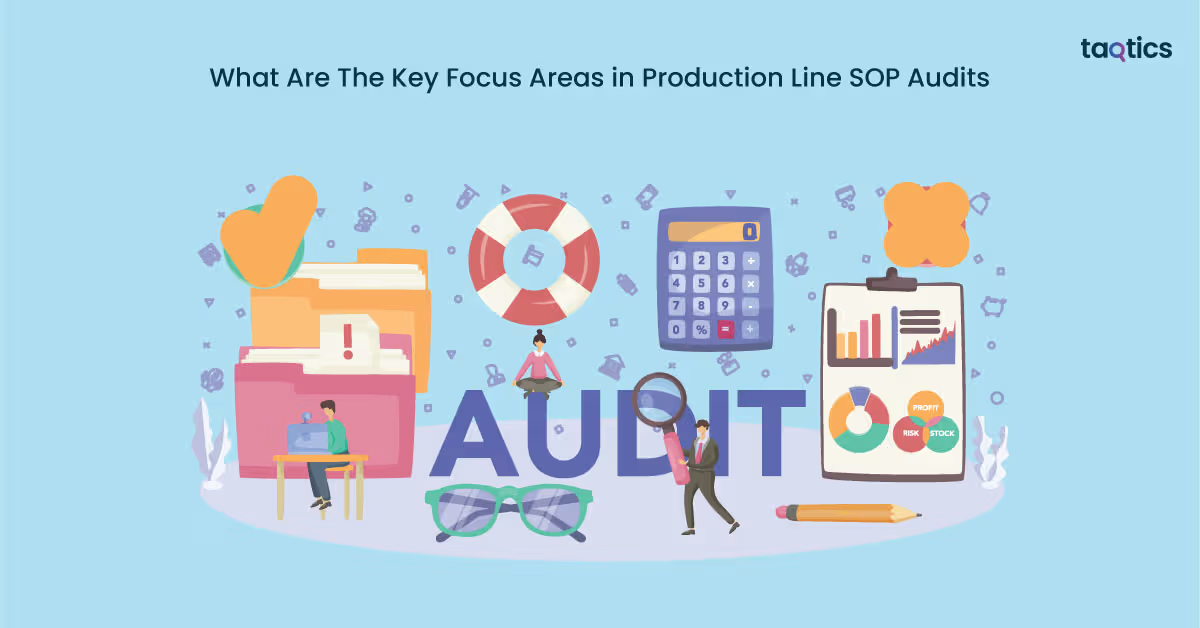
The key focus areas in production line SOP audits ensure that shop-floor activities align with documented procedures, quality standards, and safety requirements. These focus areas help auditors assess both compliance and operational effectiveness.
Operator Compliance
This area evaluates whether workers are following each step outlined in the SOP while performing their tasks. It includes checking the correct use of PPE, adherence to safety protocols, and proper handling of tools and materials during operations.
Equipment & Setup
Auditors verify that machinery is functional, properly calibrated, and set up according to documented specifications. This ensures machines operate safely and consistently, reducing the risk of defects and breakdowns.
Process Adherence
This focuses on whether workflows, cycle times, inspection points, and process sequences match what is defined in the SOP. Deviations can indicate inefficiencies, bottlenecks, or quality risks.
Documentation & Training
Audits assess whether SOPs are easily accessible, up to date, and clearly understood by employees. Training records are reviewed to ensure staff are adequately trained to perform their assigned tasks correctly.
Quality Control
This area checks whether initial quality checks, in-process inspections, and final product standards are performed and documented as required. It confirms that quality checkpoints defined in SOPs are consistently followed.
These focus areas provide a comprehensive view of SOP compliance, helping manufacturers maintain consistency, safety, and quality across production lines.
What Are The Types Of Production Line SOP Audits?
The types of production line SOP audits vary based on their purpose, scope, and level of detail, helping manufacturers monitor compliance, improve efficiency, and reduce risk across the factory floor.
Process Audits
Process audits evaluate specific production steps to ensure they are performed according to documented SOPs. These audits focus on workflow efficiency, correct execution of tasks, and adherence to operational standards, helping identify bottlenecks or deviations early.
Layered Process Audits (LPAs)
LPAs are frequent, structured audits conducted at multiple organizational levels, from operators and supervisors to managers and executives. This layered approach increases visibility, reinforces accountability, and helps catch issues early before they escalate.
Quality Audits
Quality audits concentrate on product consistency and defect reduction by reviewing quality checkpoints, inspection records, and adherence to quality-related SOPs. They ensure that products meet defined specifications and customer requirements.
Safety Audits
Safety audits verify compliance with safety-related SOPs and regulatory requirements. They focus on PPE usage, machine guarding, hazard controls, and safe work practices to reduce accidents and ensure a safe working environment.
These audit types create a comprehensive SOP audit framework that supports compliance, quality improvement, and operational excellence on the production line.
How Often Should You Conduct SOP Audits on the Production Line?
SOP audits on the production line should be conducted at a frequency that balances operational risk, process criticality, and regulatory requirements.
- Daily or Shift-Based Audits: Best for critical processes, safety-sensitive tasks, or high-volume lines where deviations can quickly lead to defects or safety risks.
- Weekly Audits: Suitable for reviewing routine operations, operator compliance, and equipment setup consistency.
- Monthly or Quarterly Audits: Common for formal process, quality, or compliance audits aligned with ISO, FDA, or internal governance requirements.
- Event-Triggered Audits: Conducted after incidents, quality failures, process changes, or onboarding of new operators.
Regular SOP audits deliver five measurable benefits across manufacturing operations.
- Reduces errors and waste: Minimizes defects, rework, and scrap by catching deviations early.
- Increases consistency: Ensures uniform product quality regardless of who performs the task.
- Improves training: Identifies knowledge gaps, supporting better onboarding and refresher training.
- Boosts efficiency: Reveals bottlenecks and inefficiencies, enabling workflow optimization.
- Ensures compliance: Helps meet regulatory and certification requirements such as FDA and ISO.
By aligning audit frequency with process risk and business goals, manufacturers can maintain strong SOP compliance while continuously improving performance.
Who is Responsible for Conducting SOP Audits?
Responsibility for conducting SOP audits in manufacturing is shared across multiple roles to ensure accuracy, accountability, and comprehensive coverage of the production line.
- Quality Assurance (QA) Teams: QA teams typically lead SOP audits, as they are responsible for ensuring compliance with quality standards, documented procedures, and regulatory requirements. They plan audits, evaluate findings, and oversee corrective actions.
- Line Supervisors: Supervisors conduct routine and shift-level SOP checks to ensure operators follow procedures correctly during daily operations. Their close involvement helps identify deviations in real time.
- External Auditors: External auditors are engaged during certification or regulatory audits, such as ISO, FDA, or customer audits. They provide independent assessments and validate compliance with required standards.
- Cross-Functional Teams: Effective SOP audits often involve collaboration across operations, training, safety, and maintenance teams. This cross-functional involvement ensures that findings are addressed holistically and improvements are sustained.
By distributing responsibility across these roles, manufacturers create a layered audit structure that strengthens compliance, transparency, and continuous improvement.
What Are the Benefits of Digitizing SOP Audits?
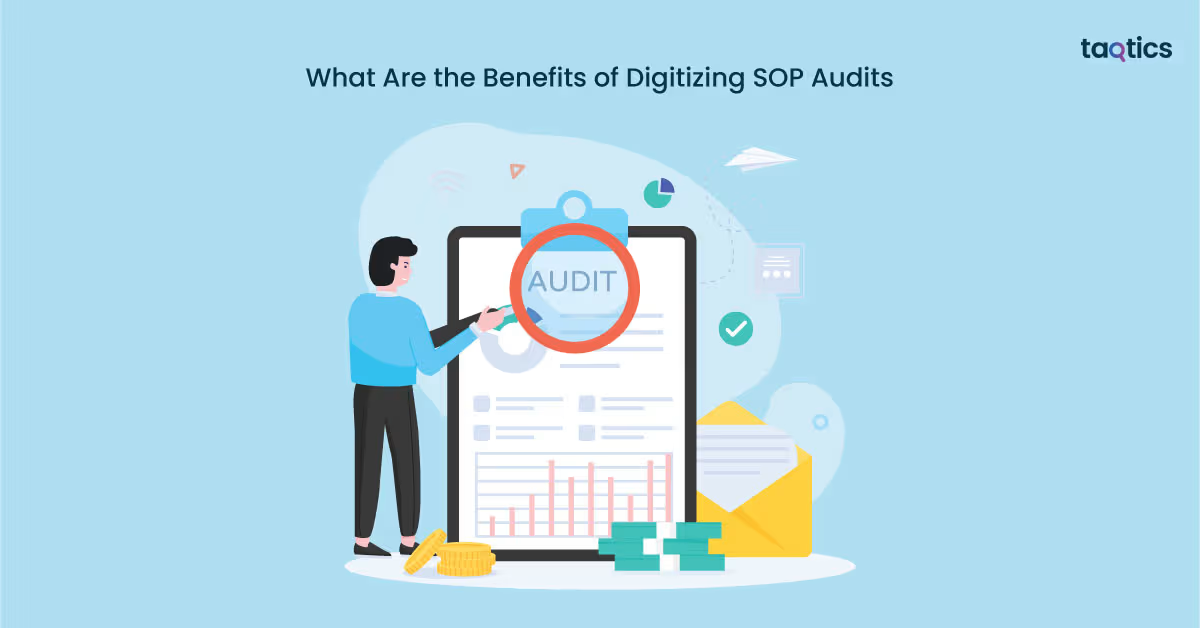
The benefits of digitizing SOP audits are improved visibility, faster issue resolution, and stronger compliance across the production line through the use of real-time, data-driven tools.
- Real-time tracking and notifications: Enables immediate visibility into audit progress and deviations, allowing quick corrective action.
- Instant nonconformity reporting: Captures and escalates SOP deviations as soon as they occur, reducing risk and rework.
- Cloud-based recordkeeping: Stores audit data securely and makes it easily accessible for audits and traceability.
- Integration with MES/ERP systems: Connects audit results with production and enterprise systems for seamless process alignment.
- Automated reports and analytics: Provides insights into trends, recurring gaps, and performance metrics for continuous improvement.
- Reduced paperwork & human error: Eliminates manual documentation, saving time and minimizing data-entry mistakes.
These benefits help manufacturers maintain consistent operations, meet regulatory requirements, and drive ongoing process improvement.
How Can Software Like Taqtics Improve SOP Audit Processes?
Software, like Taqtics, can improve SOP audit processes by transforming manual, paper-based audits into real-time, structured, and data-driven workflows that increase accuracy, accountability, and speed on the production line.
- Taqtics enables manufacturing teams to conduct SOP audits digitally using mobile devices, allowing auditors and supervisors to complete audits directly on the shop floor.
- Real-time dashboards provide instant visibility into audit status, nonconformities, and compliance trends
- Built-in action tracking ensures that corrective actions are assigned, monitored, and closed on time.
- Conduct SOP audits directly on the shop floor using smartphones or tablets, eliminating paper checklists.
- Store SOPs, audit records, and evidence (photos, comments) in one secure location.
- Generate audit reports and compliance summaries without manual consolidation.
- Notify teams immediately when nonconformities are identified or actions are overdue.
For example, in a typical use case, a plant replacing paper SOP audits with Taqtics can instantly flag deviations during audits, notify responsible teams, and track corrective actions to closure, reducing repeat noncompliance and audit preparation time.
Compared to manual audits, which rely on delayed reporting, scattered records, and limited visibility, Taqtics-enhanced audits offer centralized documentation, faster issue resolution, and audit-ready records at all times.
Taqtics helps manufacturers move from reactive SOP auditing to proactive compliance management, strengthening process consistency, safety, and continuous improvement across the factory floor.
What Metrics Indicate an Effective SOP Audit System?
Metrics that indicate an effective SOP audit system include % SOP compliance per audit, number of nonconformities over time, corrective actions closed on time, training compliance rate, audit completion rate, and downtime caused by SOP deviations.
- SOP Compliance Percentage per Audit: This metric measures how closely actual operations align with documented SOPs during each audit. Higher compliance percentages indicate strong adherence and consistent execution of standard procedures.
- Number of Nonconformities Over Time: Tracking nonconformities across audits helps identify trends and recurring issues. A steady decline over time signals that corrective actions and training efforts are effective.
- Corrective Actions Closed on Time: This metric evaluates how efficiently identified issues are resolved. High on-time closure rates show strong accountability and effective follow-through after audits.
- Training Compliance Rate: Training compliance measures whether employees assigned to specific SOPs have completed required training. High rates indicate that staff are well-prepared to follow procedures correctly.
- Audit Completion Rate: Audit completion rate tracks whether planned audits are conducted as scheduled. Consistently high completion rates reflect a disciplined and reliable audit process.
- Downtime Caused by SOP Deviations: Monitoring downtime linked to SOP violations helps quantify the operational impact of noncompliance. Reduced downtime indicates that SOP audits are effectively preventing disruptions.
These metrics provide a clear, data-driven view of SOP audit effectiveness, supporting continuous improvement and operational excellence.
SOP Audits vs Quality Audits: What’s the Difference?
| Aspect | SOP Audits | Quality Audits |
| Primary Focus | Adherence to documented Standard Operating Procedures | Conformance of products and processes to quality standards |
| Objective | Ensure work is performed exactly as written | Ensure products meet quality specifications and customer requirements |
| Scope | Task-level execution on the production line | End-to-end quality systems, processes, and outputs |
| Typical Activities | Observing operators, checking SOP steps, PPE usage, and safety procedures | Reviewing inspection results, defect rates, test results, and quality records |
| Who Conducts Them | Line supervisors, QA teams, and layered audit participants | QA teams, internal auditors, and external certification bodies |
| Frequency | Often frequent (daily, weekly, shift-based) | Periodic (monthly, quarterly, annually) |
| Key Outcomes | Improved compliance, reduced human error, and consistent execution | Improved product quality, reduced defects, and regulatory compliance |
| Standards Referenced | Internal SOPs and work instructions | ISO standards, customer specifications, and regulatory requirements |
How Taqtics Is Evolving In This Space?
Taqtics is evolving in the SOP audit and quality control space by moving beyond simple digitization toward real-time, connected, and intelligent operations management that supports compliance, consistency, and continuous improvement across manufacturing and multisite operations.
- Expanding digital operations capabilities: Taqtics now enables hourly or batch-wise digital quality checks, internal QA audits, and auto-triggered corrective actions, helping teams catch deviations early and act immediately rather than waiting for manual reports. This drives higher consistency and fewer rejections across production workflows.
- Real-time visibility and centralized execution: With mobile audit execution, live dashboards, and centralized documentation, manufacturers gain instant insight into SOP adherence and audit outcomes, enabling faster decision-making and removal of manual bottlenecks that slow down quality checks and compliance reporting.
- Action-oriented audit management: Taqtics automatically converts failed checkpoints into actionable tasks with assigned owners and deadlines, ensuring issues uncovered by SOP audits aren’t just recorded but resolved efficiently.
- Scalability and standardization: Whether a plant has one line or many, and whether audits are daily or periodic, Taqtics scales audit templates, scoring logic, and workflows across sites and shifts, promoting uniform execution and traceable compliance.
By continuously enhancing its platform with real-time tracking, automated corrective workflows, and expanded analytics, Taqtics helps manufacturers transition from manual compliance checks to proactive, data-driven quality and SOP audit practices that strengthen consistency, reduce errors, and improve operational performance.
About the Author