Store Cleaning Checklist: Definition, Importance And Key Elements
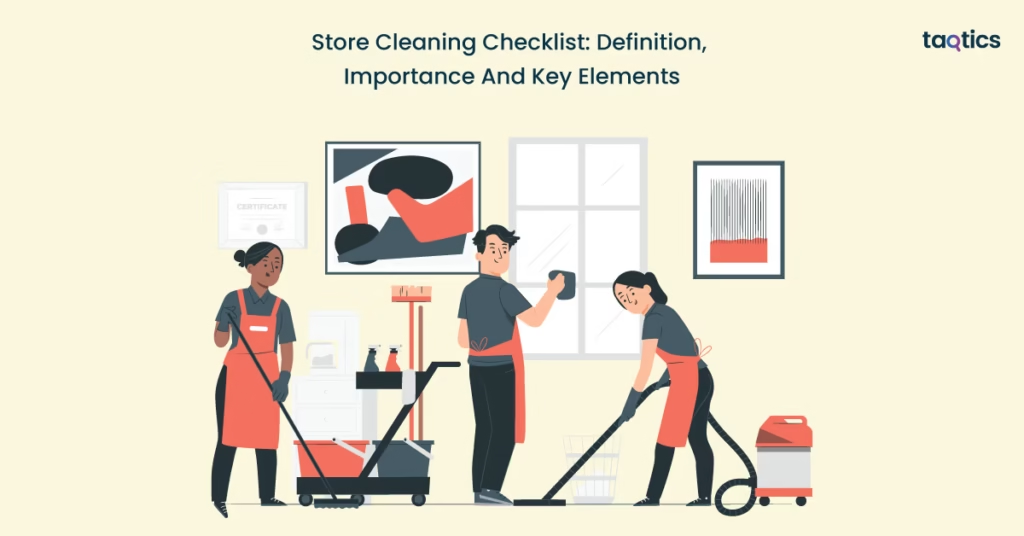
A store cleaning checklist is a must for retail stores if they want to become a significant reflection of their brand standards. A store cleaning checklist builds a foundation for customer satisfaction, employee morale, and overall business success. According to a 2024 survey by Statista, over 92% of consumers said that cleanliness influences their decision on whether to continue shopping at a particular retail location. Meanwhile, 79% of shoppers stated they would leave a store immediately if it appeared unclean or unhygienic.
Cleanliness also plays a crucial role in health and safety. The CDC emphasizes that retail environments must maintain rigorous hygiene protocols to prevent the spread of germs and ensure compliance with public health standards, especially in a post-pandemic era. Additionally, a clean and organized store can reduce workplace accidents by up to 30%, according to data from the National Safety Council.
In this article, we’ll define what a store cleaning checklist entails, explore why it’s essential for retail operations, and break down the key elements every effective checklist should include. Whether you’re managing a small boutique or a large chain, a structured approach to cleanliness can protect your reputation, drive customer loyalty, and contribute to long-term profitability.
Download the checklist. Run it like a system.
Get the ready-to-use template, and see how Taqtics captures photo proof, timestamps, and compliance automatically.
What Is A Store Cleaning Checklist?
A store cleaning checklist is a structured document that outlines specific cleaning tasks to be completed within a retail environment, along with their frequency, responsible personnel, and required tools or supplies. A store cleaning checklist typically covers key areas such as sales floors, restrooms, fitting rooms, stockrooms, entrances, and checkout counters.
It ensures consistency, accountability, and thoroughness in cleaning routines, helping to maintain hygiene, safety, and a visually appealing shopping experience. Think of it as a quality control tool that sets the standard and provides a step-by-step guide for staff to follow, whether the cleaning is done daily, weekly, or monthly.
According to a 2023 survey by First Insight, 76% of shoppers reported they would stop visiting a store if it appeared dirty or poorly maintained. Similarly, Retail Dive found that stores with consistently clean environments experienced a 14% increase in foot traffic and up to a 7% boost in conversion rates. These figures highlight the direct connection between cleanliness and customer retention, satisfaction, and ultimately, sales performance.
From a compliance and safety standpoint, a store cleaning checklist ensures that essential hygiene protocols are followed regularly. The Occupational Safety and Health Administration (OSHA) reports that over 21% of workplace injuries are caused by slips, trips, and falls, many of which can be prevented with routine cleaning. A checklist ensures that high-traffic and high-risk areas are cleaned systematically, reducing hazards and improving safety for both staff and customers.
Cleanliness also impacts employee morale and operational efficiency. Research from Harvard Business Review shows that employees working in clean, well-organized environments are 12% more productive. Moreover, stores that implement formal cleaning procedures experience fewer sick days, lower stress levels among employees, and 35% fewer customer complaints related to hygiene, according to the 2022 Retail Customer Experience Report. By providing clear expectations and accountability, a store cleaning checklist streamlines daily operations and ensures that no task is overlooked.
Why Should You Use a Store Cleaning Checklist?
A store cleaning checklist should be used as it is a strategic asset that supports retail success. Through improved cleanliness, businesses can enhance brand image, safeguard health, boost employee performance, and create an environment where customers want to shop.
Customer Perception & Brand Image
First impressions can make or break a sale, and cleanliness is one of the first things customers notice when they walk into a store. A well-maintained environment signals professionalism, attention to detail, and respect for the customer experience. A store cleaning checklist helps ensure these impressions are consistently positive by standardizing daily cleaning routines and preventing lapses in store presentation.
According to a 2023 survey by ServiceChannel, 64% of consumers have walked out of a store due to poor cleanliness, while over 70% said a clean store encourages them to spend more time browsing and shopping. Clean floors, spotless fitting rooms, organized shelves, and sanitized restrooms all contribute to a sense of trust and comfort, which are key factors in converting visits into purchases.
Cleanliness also impacts online reviews and brand reputation. One negative comment about dirty restrooms, dusty shelves, or unpleasant odors can deter dozens of potential shoppers. On the other hand, consistent praise for a store’s neatness and hygiene can enhance your brand image and create a loyal customer base. By using a structured cleaning checklist, retailers can ensure that no area is overlooked, no detail missed, and no bad impression made.
Health and Safety Compliance
Maintaining health and safety compliance is a critical responsibility for any retail business, and a store cleaning checklist is a key tool in meeting that obligation. By outlining routine cleaning tasks, such as sanitizing high-touch surfaces, mopping floors, and keeping walkways clear, a checklist helps prevent accidents like slips, trips, and falls, which account for over 21% of workplace injuries, according to OSHA. It also ensures compliance with local health regulations, which are especially important in food retail, high-traffic environments, and post-pandemic conditions where hygiene standards are closely monitored.
For both employees and customers, a clean store promotes a safer and healthier environment. Staff are less likely to suffer injuries or illness when they work in clean, organized spaces, leading to better morale and reduced absenteeism. Customers, in turn, feel more confident shopping in stores that are visibly hygienic and well-maintained. A cleaning checklist creates a routine that minimizes health risks, ensures nothing is overlooked, and reinforces your store’s commitment to safety and well-being, both essential for operational stability and customer trust.
Operational Efficiency & Delegation
A store cleaning checklist acts as a standardized operating procedure (SOP), bringing structure and consistency to daily cleaning routines. By clearly outlining what needs to be cleaned, when, and how often, it removes ambiguity and ensures that all team members follow the same expectations. This level of organization streamlines operations, reduces time wasted on repeated or missed tasks, and helps maintain a consistent standard of cleanliness across all store areas. With SOPs in place, cleaning becomes a routine part of the workflow, not a reactive or overlooked responsibility.
Additionally, a cleaning checklist promotes effective delegation and role clarity. When tasks are assigned to specific individuals or shifts, every employee knows their responsibilities, which improves accountability and overall productivity. It also reduces management time spent micromanaging or correcting incomplete work. In busy retail environments where efficiency matters, having a clear system in place for cleaning ensures that store teams can focus more on customer service and sales while still maintaining a spotless, safe space.
Risk Reduction (Slips, Contamination, etc.)
Using a store cleaning checklist is essential for reducing risks that could lead to costly liability issues. Slips, trips, and falls are among the most common causes of injuries in retail stores and can result in expensive lawsuits if the business is found negligent. Regular, documented cleaning of floors, aisles, and entryways helps prevent these accidents by ensuring hazards like spills, debris, or clutter are promptly addressed. A checklist also serves as proof that the store is proactively maintaining a safe environment, which is crucial in protecting the business from legal claims and insurance complications.
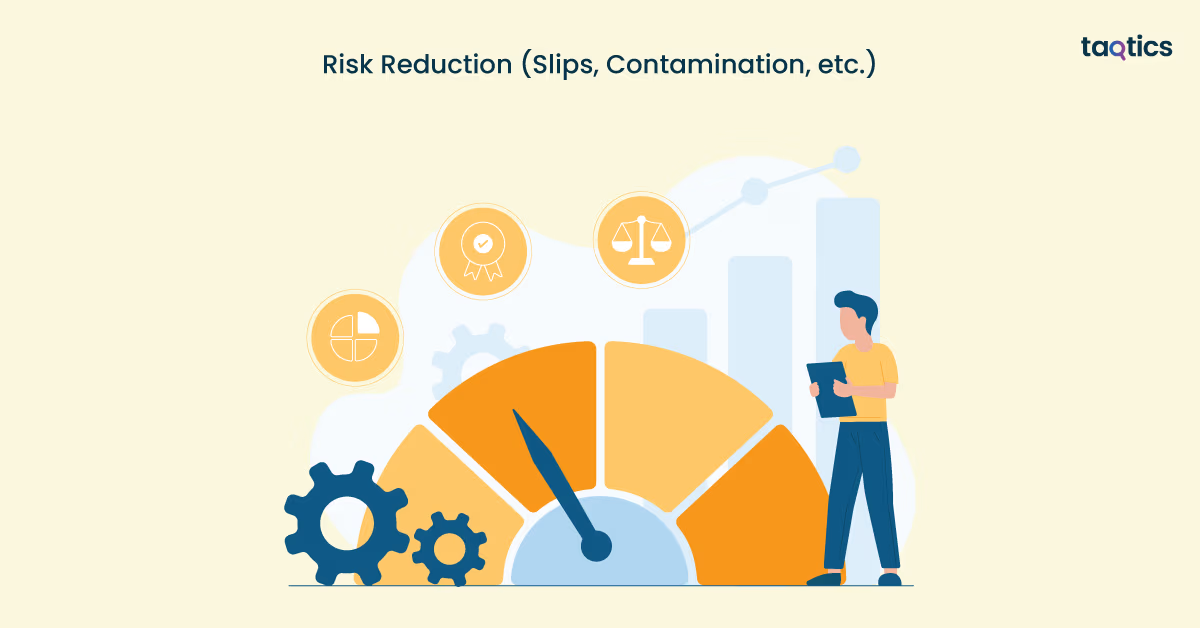
Beyond physical hazards, a cleaning checklist is vital for minimizing cross-contamination, especially from high-touch surfaces like door handles, checkout counters, and payment terminals. These areas can harbor germs and bacteria that spread illness among customers and staff, impacting health and business continuity. By following a clear, systematic cleaning routine, stores reduce the risk of contamination and create a safer environment that supports public health. This not only safeguards everyone’s well-being but also strengthens the store’s reputation as a responsible and trustworthy business.
What Should Be Included in a Daily Store Cleaning Checklist?
A daily store cleaning checklist should include everything from maintaining a retail store’s cleanliness, hygiene, and overall customer appeal. By focusing on critical areas each day, businesses can create a safe, welcoming environment that encourages shoppers to stay longer and return frequently. Here are the essential elements every daily store cleaning checklist should cover:
Front Entrance and Windows
The entrance is the customer’s first point of contact, so it must always be spotless and inviting. Clean windows and doors improve curb appeal and allow natural light to enhance the shopping experience. According to a 2022 study by Retail Customer Experience, stores with clean entrances saw a 10% increase in customer foot traffic compared to stores with neglected entryways.
Sales Floor: Dusting, Vacuuming, and Spills
The sales floor requires constant attention to keep shelves, displays, and floors free from dust, debris, and hazards. Vacuuming and spot-cleaning spills immediately not only maintains appearance but also prevents accidents. The National Floor Safety Institute reports that slips caused by wet or dirty floors account for nearly 15% of all retail injuries, making daily floor care vital.
Fitting Rooms (If Applicable)
Fitting rooms can quickly become cluttered and unhygienic. Regular cleaning ensures they remain comfortable and safe for customers. Proper sanitation here helps reduce the risk of cross-contamination, an important factor as 60% of shoppers say they avoid stores with poorly maintained fitting rooms, according to the Consumer Hygiene Survey, 2023.
Cash Wrap / POS Sanitation
Checkout areas are high-touch zones where both employees and customers interact closely. Frequent cleaning and disinfecting of POS terminals, counters, and keyboards is crucial. A 2021 CDC study found that high-touch surfaces can harbor germs for hours, underscoring the need for rigorous sanitation at cash wraps to reduce illness spread.
Public or Employee Restrooms
Restrooms reflect the overall hygiene standards of a store. Regular cleaning and disinfecting of toilets, sinks, and floors throughout the day prevent unpleasant odors and bacterial buildup. According to ISSA’s 2023 Cleaning Industry Study, 85% of customers consider restroom cleanliness a key factor in their perception of a store’s quality.
Trash Removal
Frequent emptying of trash bins prevents overflow, odors, and pest attraction. Proper waste management supports cleanliness throughout the store and ensures compliance with health codes.
Touchpoints: Carts, Door Handles, Payment Keypads
Touchpoints are hotspots for germ transmission. A study published in the Journal of Environmental Health showed that door handles and payment keypads harbor up to 10 times more bacteria than other surfaces. Regular disinfection of these areas reduces the risk of spreading viruses and bacteria, protecting both customers and staff.
Incorporating these key areas into a daily cleaning checklist, retailers can uphold high standards of cleanliness and safety that enhance customer satisfaction and operational efficiency. Regular attention to these tasks not only protects health but also strengthens the store’s reputation and fosters customer loyalty.
How Do You Customize a Cleaning Checklist for Your Store Type?
To customize a cleaning checklist for your store type, you must know how to prioritize critical areas and comply with any franchise or industry-specific protocols.
Inventory Handling (Perishables vs. Apparel)
Stores dealing with perishables, such as grocery or fresh food retailers, require stringent cleaning protocols to prevent contamination and spoilage. This includes frequent sanitization of refrigeration units, storage areas, and handling equipment. The Food Marketing Institute reports that up to 48% of foodborne illness outbreaks in retail environments are linked to improper cleaning practices. In contrast, apparel stores focus more on dust control and fabric care, with an emphasis on keeping fitting rooms and display racks clean and tidy to enhance the shopping experience.
Customer Volume and High-Touch Areas
Stores with higher foot traffic and interaction points require more frequent cleaning of high-touch surfaces such as door handles, payment terminals, shopping carts, and checkout counters. A 2022 study by the CDC highlights that high-traffic retail environments see up to 3 times higher surface contamination than smaller stores, necessitating increased sanitation frequency to reduce germ transmission and maintain customer trust.
Franchise-Specific Cleaning Protocols
Franchises often have detailed cleaning protocols to maintain brand consistency and comply with regulatory standards. These SOPs may specify particular cleaning agents, schedules, and reporting methods. Adhering to franchise guidelines not only ensures compliance but also protects brand reputation. According to a 2023 Franchise Business Review, 85% of franchisees reported that standardized cleaning protocols positively impacted customer satisfaction and operational efficiency.
Aligning cleaning practices with your inventory type, customer traffic, and franchise standards, you create a safer, more inviting environment that supports business growth and compliance.
What Are the Weekly Cleaning Tasks Every Store Should Follow?
The weekly cleaning tasks every store should follow include everything from keeping your store safe, efficient, and visually appealing, while preventing long-term buildup of dirt, dust, and clutter that can affect operations and customer perception.
Stockroom Cleanup
The stockroom is often overlooked but plays a critical role in overall store organization and safety. A weekly cleanup helps reduce clutter, remove trip hazards, and improve inventory management. According to the National Safety Council, disorganized storage areas are linked to 25% of retail workplace injuries, making regular tidying essential for staff safety and efficiency.
Window and Signage Cleaning
Clean windows and signage enhance curb appeal and improve visibility, drawing more customers inside. Weekly deep-cleaning prevents the buildup of grime or streaks that daily wiping might miss. A study by the Retail Design Institute found that clear, well-maintained windows can increase foot traffic by up to 15%, especially for promotional signage and seasonal displays.
Air Vent Dusting
Dust buildup in vents can circulate allergens and unpleasant odors throughout the store, negatively impacting the shopping experience. Weekly dusting helps improve indoor air quality and HVAC efficiency. The Environmental Protection Agency (EPA) reports that clean ventilation systems can improve indoor air quality by up to 50%, enhancing both customer comfort and staff well-being.
Deep Sweep and Mop
Beyond spot cleaning, a weekly deep sweep and mop, especially in corners, under fixtures, and along baseboards, ensures that dirt and debris don’t accumulate unnoticed. The International Sanitary Supply Association (ISSA) emphasizes that deep floor cleaning reduces bacterial presence by up to 90% in retail environments compared to surface-level cleaning alone.
Wall and Shelf Wipe-Down
Dust and marks on walls, baseboards, and shelving can make even a tidy store look neglected. Weekly cleaning keeps these surfaces presentable and prolongs the life of store fixtures. In retail settings, visual cleanliness directly affects purchasing decisions, with 66% of shoppers saying that visible dirt or dust lowers their confidence in product quality (Retail Customer Experience Survey, 2023).
Performing these weekly cleaning tasks ensures your store stays not just clean, but truly polished, professional, and safe. They support daily efforts by addressing the deeper maintenance needs that build up over time, helping your business create a lasting positive impression.
What Monthly and Deep Cleaning Tasks Should You Schedule?
The monthly and deep cleaning tasks that you should schedule go beyond regular upkeep to preserve the long-term condition, appearance, and safety of your retail space. These tasks target hard-to-reach or often-neglected areas that, if left unchecked, can impact customer experience, employee health, and facility operations.
Floor Waxing or Carpet Shampooing
High-traffic areas accumulate dirt and wear over time. Monthly floor waxing or carpet shampooing restores appearance, prevents permanent stains, and extends flooring life. According to the ISSA (International Sanitary Supply Association), regular deep floor care can extend flooring lifespan by 30% and improve overall store cleanliness ratings among customers.
Light Fixtures and Ceiling Fans
Dusty fixtures not only look unprofessional but also reduce light quality and air circulation. Cleaning them monthly improves store ambiance and energy efficiency. The U.S. Department of Energy notes that clean fixtures can increase lighting efficiency by up to 20%, which can enhance product visibility and reduce energy costs.
Pest Control Check
A proactive monthly pest inspection helps prevent infestations that can damage products, harm your reputation, and lead to health code violations. The National Pest Management Association reports that one in five businesses will experience a pest issue each year, with food and retail environments among the highest risk.
HVAC and Filter Maintenance
HVAC systems should be inspected and filters cleaned or replaced monthly to maintain indoor air quality and system performance. According to the EPA, clean HVAC filters can reduce airborne dust and allergens by up to 50%, supporting a healthier environment for both customers and staff.
Signage and External Window Cleaning
Outdoor signage and windows accumulate dirt, pollution, and weather-related grime. A monthly deep clean keeps your storefront visually appealing and easy to read. A study by the Retail Marketing Institute found that clear and well-maintained exterior signage improves brand visibility and customer trust by 20%.
Scheduling these monthly and deep cleaning tasks strengthens your brand image and operational efficiency. Investing in these long-term maintenance routines ensures your space remains clean, safe, and welcoming year-round.
What Should Be Cleaned During Store Opening and Closing?
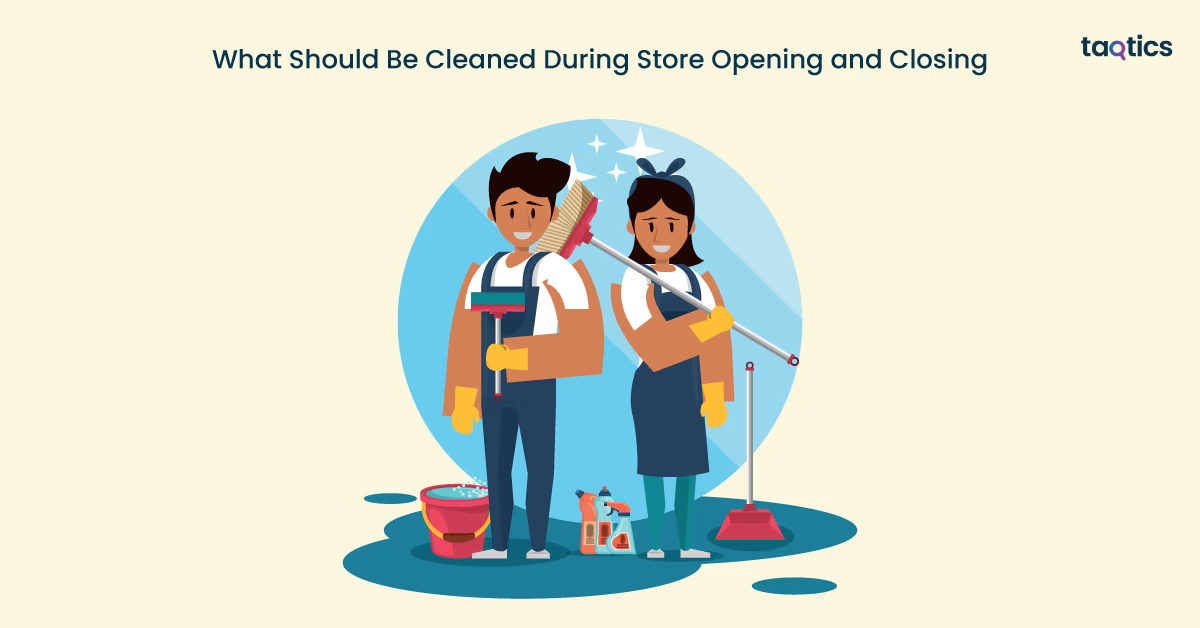
The list of what should be cleaned during store opening and closing must be decided based on the hygiene standards, targeted efficiency, and set customer satisfaction.
Morning: Surface Wipes, Restroom Check, Trash Removal
At opening, the focus should be on preparing the store for incoming customers. This includes wiping down all surfaces, especially high-touch areas like counters, door handles, and fitting rooms, checking and restocking restrooms, and ensuring trash bins are empty and clean. A study by the Cleaning Industry Research Institute (CIRI) found that clean surfaces reduce the risk of germ transmission by up to 80%, which is especially important at the start of the day when customer traffic begins to build.
Evening: POS Cleaning, Vacuuming, Restocking Supplies
At closing, attention shifts to deepening the day’s cleaning. This includes thoroughly cleaning the point-of-sale (POS) area, vacuuming the entire sales floor, and restocking essential supplies like cleaning products, toilet paper, or shopping bags for the next day. According to Retail TouchPoints, end-of-day cleaning contributes significantly to operational readiness and employee efficiency during peak business hours.
Shift Accountability Practices
Establishing clear shift-based cleaning responsibilities helps ensure tasks are consistently completed. Using checklists and assigning specific duties to opening and closing staff fosters accountability and reduces the chance of missed items. Retail studies show that stores with structured shift cleaning routines report 30% fewer hygiene-related complaints and better staff performance overall.
By embedding these cleaning practices into daily opening and closing procedures, stores can maintain a professional, sanitary environment that supports both customer satisfaction and smooth store operations.
How Can You Train Your Team to Follow Cleaning Standards?
You can train your team to follow cleaning standards, which starts with clear communication. When staff know exactly what’s expected and feel responsible for their role in store cleanliness, it leads to better hygiene, fewer customer complaints, and smoother operations.
Role Delegation and Rotation
Assigning specific cleaning tasks to individual team members ensures accountability, while rotating roles keeps responsibilities fair and prevents burnout. This also helps all employees become familiar with every part of the cleaning process, improving flexibility and teamwork. According to a 2023 study by the National Retail Federation, stores with clear task delegation see a 40% improvement in cleaning consistency and staff efficiency.
SOP Manuals or Wall Charts
Clear, visual tools like Standard Operating Procedure (SOP) manuals or wall-mounted cleaning charts act as quick-reference guides. These resources reduce errors and ensure that all team members, including new hires, understand step-by-step procedures. Visual aids have been shown to increase compliance with cleaning protocols by up to 60%, according to a report from the Cleaning Management Institute.
Incentives and Performance Tracking
Recognizing and rewarding employees who consistently meet cleaning standards can motivate others to follow suit. Whether through verbal praise, a small bonus, or a “clean team of the month” recognition, incentives foster pride in maintaining a clean, safe environment. Pairing this with simple performance tracking helps identify areas of strength and improvement.
Regular Audits or Inspections
Routine inspections by supervisors or store managers reinforce accountability and maintain high standards. These can be weekly walkthroughs using a checklist or monthly reviews that include staff feedback. A study by ISSA found that stores conducting regular cleaning audits experienced 25% fewer hygiene-related customer complaints compared to those with informal oversight.
By combining role clarity, visual SOPs, motivation, and regular audits, retailers can build a culture of cleanliness that supports both operational excellence and a positive customer experience.
What Cleaning Supplies and Tools Do You Need for a Store?
The cleaning supplies and tools that you need for a storeplay a specific role in targeting different surfaces, areas, and hygiene needs across the store.
All-Purpose Cleaner, Glass Cleaner, Disinfectants
These are the core of daily cleaning routines. All-purpose cleaners handle general dirt and grime on shelves, counters, and fixtures. Glass cleaner keeps windows, mirrors, and display cases spotless and streak-free. Disinfectants, especially those approved by the EPA, are crucial for sanitizing high-touch surfaces and preventing the spread of germs.
Gloves, Masks, Microfiber Cloths
Personal protective equipment (PPE) like disposable gloves and masks protect staff during cleaning and chemical handling. Microfiber cloths are essential for efficient, lint-free wiping and are more effective at trapping dirt and bacteria compared to traditional rags—studies show they remove 99% of surface bacteria with just water, reducing the need for harsh chemicals.
Floor Equipment (Mops, Vacuums)
Clean floors are vital for safety and appearance. Microfiber mops and commercial-grade vacuums help remove dust, debris, and allergens. For larger stores, automatic floor scrubbers may be useful. According to ISSA, well-maintained floor equipment can reduce cleaning time by up to 30% while improving results.
Restroom Cleaners, Air Fresheners
Restrooms require specialized products such as toilet bowl cleaners, disinfecting sprays, and odor-neutralizing air fresheners. Keeping this area clean is critical, as 85% of customers associate restroom hygiene with overall store quality, according to the Retail Customer Experience Report, 2023.
Equipping your store with the right cleaning supplies ensures your staff can perform their tasks effectively and efficiently. A well-stocked cleaning station not only supports health and safety but also enhances the overall customer experience.
What Are the Germ Hotspots in a Retail Environment?
The germ hotspots in a retail environment are high-traffic spaces where germs can spread rapidly if surfaces aren’t regularly cleaned and disinfected. Identifying them helps prioritize sanitation efforts and protect the health of both customers and staff.
- Door Handles: These are among the most frequently touched surfaces in any store. According to a 2021 study by the Journal of Hospital Infection, door handles can carry up to 500,000 bacteria per square inch, especially when located at main entrances or restrooms. Regular disinfection is crucial to limit cross-contamination.
- Fitting Room Handles: In apparel stores, fitting room doors and curtain handles are constant touchpoints. A 2023 Consumer Hygiene Survey found that over 60% of customers avoid using fitting rooms they perceive as unclean, highlighting the importance of cleaning these areas multiple times daily.
- Checkout Counters and Screens: Checkout areas, including touchscreens and card readers, are high-risk zones due to frequent use. A study by NSF International revealed that checkout keypads and counters harbor more germs than public toilets in some retail environments. Disinfecting after each shift or customer rush is key to reducing exposure.
- Restroom Stall Handles: Stall doors, flush levers, and sink handles are major germ carriers. The CDC reports that restroom surfaces can sustain bacteria and viruses for hours, making them a top priority in routine cleaning schedules to prevent illness transmission.
- Employee Break Areas: Often overlooked, break rooms and staff kitchens can harbor bacteria from shared appliances, tables, and handles. A study by Kimberly-Clark Professional found that microwave door handles in break rooms tested positive for high levels of contamination in over 48% of workplaces surveyed, stressing the need for frequent cleaning in these areas as well.
By identifying and regularly disinfecting these germ hotspots, retailers can create a safer, more hygienic environment that protects both staff and shoppers, especially during flu seasons or public health alerts.
Download the checklist. Run it like a system.
Get the ready-to-use template, and see how Taqtics captures photo proof, timestamps, and compliance automatically.
Are There Tools or Apps for Managing Store Cleaning?
Yes, there are powerful digital tools and apps that streamline store cleaning management, offering automation, accountability, and real-time tracking. One standout option is Taqtics, a mobile-friendly operations management platform designed for retail and restaurant environments.
- Digitize Cleaning Checklists & SOPs: Taqtics turns paper-based cleaning lists into interactive, multilingual digital checklists. Stores can schedule daily, weekly, and monthly cleaning tasks, set geo-fencing so tasks are logged only on-site, and attach photo-validated time-stamped proof, eliminating errors and ensuring compliance.
- Automated Reminders and Follow-Ups: Nobody falls through the cracks, once a task is due, the system sends automated reminders and real-time notifications to staff. Managers stay informed on progress without micromanaging, reducing administrative time .
- Photo Evidence, Escalations & Audit Insights: Users must upload photo evidence to verify completion. When issues arise, corrective actions are automatically assigned and tracked. The platform also offers audit comparisons (current vs. previous), instant reports (PDF/Excel/PPT), and performance dashboards, providing clear visibility into trends and compliance.
- Quick Setup & ROI: Taqtics can be implemented in just a couple of hours, with no tech expertise required. It offers immediate ROI by reducing paper costs, streamlining operations, and improving compliance, but that’s not just hype; verified reviews praise its workflow management, simplicity, and reliability.
Overall, if you’re looking to elevate your store’s cleaning standards while reducing admin burden and boosting accountability, Taqtics offers a comprehensive, user-friendly solution.
How often should you clean a retail store?
A retail store should be cleaned daily, with specific areas addressed at different frequencies to maintain hygiene, safety, and appearance. High-touch surfaces like door handles, POS terminals, and fitting room doors should be sanitized multiple times throughout the day. Restrooms, floors, and trash bins should be cleaned and checked daily, ideally during opening, mid-day, and closing routines.
Weekly tasks should include deep cleaning of stockrooms, shelves, and display areas, while monthly tasks like floor waxing, air vent dusting, and signage cleaning help with long-term upkeep. According to the ISSA, consistent cleaning schedules can reduce customer complaints by up to 30% and improve employee productivity. The exact frequency may vary based on store size, customer volume, and industry (e.g., food retail vs. apparel).
Using a structured cleaning checklist or a tool like Taqtics can help ensure all tasks are completed on time and to standard.
What’s the difference between daily and deep cleaning?
The difference between daily and deep cleaning lies in the nature of cleaning. Daily cleaning focuses on routine tasks that maintain a store’s surface-level cleanliness and safety throughout the day. These include wiping down high-touch areas (like door handles and POS systems), sweeping or mopping floors, emptying trash bins, cleaning restrooms, and tidying shelves. The goal is to keep the store looking presentable and hygienic for customers and staff.
In contrast, deep cleaning is more intensive and typically scheduled weekly or monthly. It targets hard-to-reach or often-overlooked areas such as air vents, ceiling fans, behind fixtures, and under shelving. Tasks may include floor waxing, carpet shampooing, disinfecting stockrooms, and thoroughly cleaning restrooms and fitting rooms. Deep cleaning helps remove buildup that daily routines may miss and supports long-term maintenance and health standards.
In short, daily cleaning preserves day-to-day hygiene, while deep cleaning ensures a consistently safe and professional retail environment.
What are OSHA’s requirements for retail cleaning?
Occupational Safety and Health Administration (OSHA) reuirements for retail cleaning doesn’t prescribe specific retail cleaning routines but sets standards that directly affect cleaning practices to ensure a safe work environment. Key OSHA requirements include keeping floors clean, dry, and free of hazards to prevent slips, trips, and falls (per standard 29 CFR 1910.22). Proper handling and labeling of cleaning chemicals under the Hazard Communication Standard (29 CFR 1910.1200) is also critical, employees must be trained to use these products safely.
Additionally, OSHA requires that restrooms be sanitary and adequately stocked (29 CFR 1910.141) and that personal protective equipment (PPE) like gloves or masks be provided when handling hazardous substances (29 CFR 1910.132). Employers must also ensure regular maintenance of ventilation systems to protect indoor air quality.
Following OSHA’s guidelines not only promotes workplace safety but also helps reduce liability, injuries, and compliance violations during inspections.
How Do Retail Stores Maintain Hygiene?
Retail stores maintain hygiene through a combination of routine cleaning, staff training, and clear protocols. Daily cleaning includes disinfecting high-touch surfaces like door handles, counters, and payment terminals, as well as cleaning restrooms, emptying trash, and keeping floors clear of debris. Weekly and monthly deep-cleaning tasks target areas like vents, storage rooms, carpets, and display fixtures to remove dust and bacteria buildup.
Stores also enforce hygiene by training employees on cleaning standards, PPE use, and sanitation procedures. Many retailers use cleaning checklists or digital tools (like Taqtics) to ensure tasks are completed consistently and documented for accountability. Additionally, hand sanitizer stations, regular restocking of hygiene supplies, and proper waste management all contribute to a clean shopping environment.
About the Author