Retail Store Safety & Emergency Readiness Checklist: Definition, Importance & Components
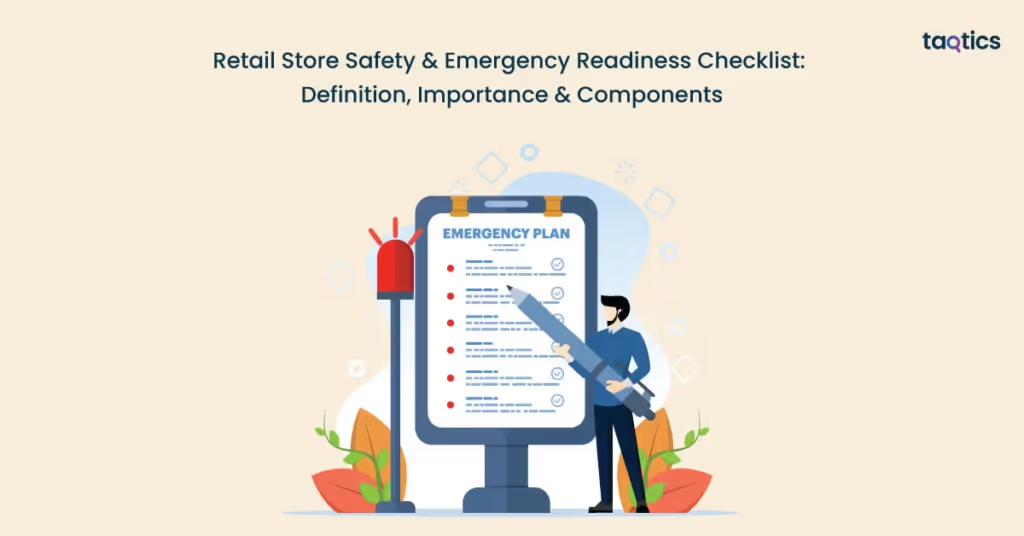
Retail store safety and emergency readiness checklist is a vital tool designed to ensure that retail environments are prepared for accidents, emergencies, and potential hazards. Retail store safety and emergency readiness checklist becomes evident in a daily scenario where a shopper slips on a wet floor, and employees must respond immediately to provide aid, cordon off the area, and report the incident. This example highlights how proactive safety measures and preparedness protocols can prevent injuries, reduce liability, and protect both customers and staff.
The importance of a structured safety and emergency checklist is supported by research in occupational safety. According to the paper Workplace Safety in Retail Environments: Strategies and Outcomes, published in 2020, implementing comprehensive safety protocols can reduce workplace incidents by up to 40%. The study emphasizes that clear signage, emergency training, hazard identification, and regular inspections are critical to minimizing injuries and ensuring compliance with safety regulations.
A retail store safety & emergency readiness checklist helps store managers systematically address fire safety, first aid, evacuation procedures, equipment maintenance, and employee training, thereby creating a safer shopping environment and fostering customer confidence.
What Is Retail Store Safety & Emergency Readiness Checklist?
A retail store safety & emergency readiness checklist is a structured guide designed to help retail managers and staff maintain a safe environment and be prepared for emergencies. It provides a step-by-step framework for identifying potential hazards, implementing preventive measures, and responding effectively to incidents.
The checklist covers a wide range of safety and emergency preparedness areas, including:
- Fire safety: Ensuring fire extinguishers, alarms, and emergency exits are functional and accessible
- First aid readiness: Maintaining stocked first aid kits and training staff in basic medical response
- Hazard identification: Regularly inspecting floors, shelving, and equipment for potential risks
- Emergency procedures: Clear plans for evacuation, lockdowns, or other critical situations
- Staff training: Educating employees on safety protocols, proper equipment use, and emergency response
- Incident reporting: Documenting accidents, near misses, and corrective actions for accountability and compliance
This checklist ensures that safety protocols are consistently followed and that both customers and employees are protected from accidents, injuries, and emergencies. By following a retail store safety and emergency readiness checklist, stores can reduce workplace accidents, improve customer confidence, comply with regulations, and foster a culture of safety and preparedness.
Why Is Retail Store Safety and Emergency Readiness Important?
Retail store safety and emergency readiness is important because it protects employees, customers, and the business from accidents, injuries, and emergencies.
- Preventing workplace injuries: Retail has a high rate of incidents such as slips, falls, and manual handling injuries, with the Bureau of Labor Statistics reporting 3.5 cases per 100 full-time retail workers in 2018.
- Legal compliance: Stores must meet occupational safety and health regulations, maintain hazard-free premises, and document inspections to avoid fines and legal liabilities.
- Building customer and employee trust: Safe and well-maintained environments improve customer confidence and employee morale, reducing turnover and enhancing productivity.
- Financial protection: Reducing accidents lowers costs related to medical claims, workers’ compensation, property damage, and potential lawsuits, while protecting revenue and reputation.
- Preparedness for emergencies: Having clear procedures for fire, evacuation, and other crises ensures rapid, organized responses that minimize harm and disruption.
By addressing these areas, retail stores can create a secure environment that protects people, assets, and business continuity.
What Should Be Included in a Retail Store Safety & Emergency Readiness Checklist
A retail store safety and emergency readiness checklist should include key areas that ensure the store is safe for both customers and employees while being prepared for emergencies.
Store Layout and Walkways
Maintaining clear, safe, and organized store spaces is essential to prevent accidents and allow for smooth movement in emergencies. Important checks include:
- Exits: All emergency exits are clearly marked with illuminated signs and remain unobstructed at all times.
- Walkways: Aisles and walkways are free of clutter, spills, and other obstructions.
- Flooring: Mats are in good condition with no loose edges, and floors are free from holes or loose tiles.
- Displays: Shelves and wall displays are secure and arranged to prevent items from falling or creating tripping hazards.
- Equipment: Heavy equipment, such as water coolers or vending machines, is securely anchored and properly grounded.
- Shopping carts: All carts are in good condition, with no sharp edges or loose wheels.
Fire Safety and Electrical
Fire and electrical hazards must be regularly inspected to prevent accidents and ensure readiness during emergencies. Key considerations include:
- Alarms and extinguishers: Fire alarms, smoke detectors, and fire extinguishers are inspected regularly and in working order.
- Electrical: Outlets and cords are free from frays or overloads, and all equipment is properly grounded.
- Flammables: Flammable materials are stored safely, away from heat sources.
- Emergency lighting: Emergency lighting systems are functional and tested regularly.
Emergency Preparedness
Preparedness ensures staff can respond quickly and effectively in case of an emergency. Critical elements include:
- First aid: First aid kits are fully stocked, and employees know their locations.
- Drills: Regular emergency and evacuation drills are conducted.
- Signage: Safety and warning signs are clearly visible and properly placed.
- Contacts: Emergency contact information is displayed prominently.
- Incident reporting: There is a clear system for employees to report hazards and document incidents.
Security
A secure retail environment protects both people and property. Essential security measures include:
- Cameras: Security cameras are operational and correctly positioned.
- Alarms: Alarm systems and access control panels are functioning properly.
- Panic buttons: Panic buttons or emergency alert systems are tested regularly.
- Exterior: Parking areas and walkways are well-lit and kept clear of snow, leaves, or other obstructions.
General Safety Measures
General operational safety ensures the store environment is clean, healthy, and hazard-free. Key areas include:
- Cleanliness: The store is clean and sanitized, with particular attention to high-touch surfaces.
- Pest control: Adequate pest control measures are in place.
- Ventilation: The store maintains good air circulation to support a healthy environment.
By systematically addressing these areas, a Retail Store Safety & Emergency Readiness Checklist helps prevent accidents, ensures compliance, and prepares staff to respond effectively to any emergency.
What Are the Legal Safety Requirements for Retail Stores
The legal safety requirements for retail stores are established to protect employees, customers, and property while ensuring compliance with federal, state, and local regulations.
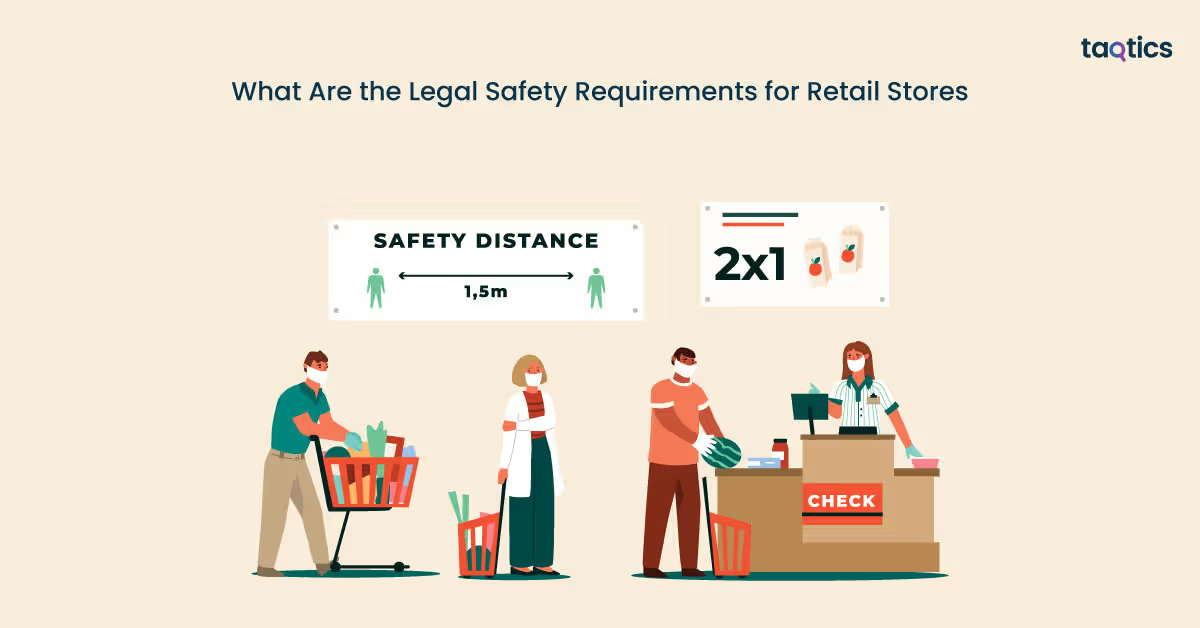
- OSHA Retail Industry Regulations: Retail stores must comply with Occupational Safety and Health Administration (OSHA) standards, including hazard communication, proper equipment use, slip and fall prevention, and general workplace safety protocols.
- Local/State Compliance: Stores must follow local and state laws regarding building safety, sanitation, and emergency preparedness, which may vary depending on location.
- Fire Safety Codes: Compliance with fire safety standards includes functioning smoke detectors, fire alarms, sprinkler systems, clearly marked emergency exits, and accessible fire extinguishers.
- Employee Safety Training Mandates: Employers are required to provide training for staff on workplace hazards, emergency response procedures, proper equipment handling, and first aid where applicable.
- Accessibility and Emergency Exit Requirements: Stores must meet accessibility standards, such as the Americans with Disabilities Act (ADA), ensuring all customers can safely access exits, ramps, and facilities in emergencies.
By following these legal safety requirements, retail stores not only comply with regulations but also create a secure and trustworthy environment for employees and customers alike.
What Are the Most Common Safety Risks in Retail Stores?
The most common safety risks in retail stores are varied and can impact both employees and customers if not properly managed. Identifying and mitigating these risks is crucial for maintaining a safe retail environment and minimizing liability.
- Slips, Trips, and Falls: Wet floors, uneven surfaces, loose mats, and cluttered walkways are major causes of injuries in retail settings.
- Theft and Violence: Shoplifting, aggressive customers, or employee confrontations can pose serious safety threats.
- Fire Hazards: Improper storage of flammable materials, faulty wiring, and blocked emergency exits increase the risk of fires.
- Electrical Hazards: Frayed cords, overloaded outlets, and malfunctioning equipment can lead to electrical shocks or fires.
- Crowd Control and Overcapacity: High customer volume during sales or peak hours can cause overcrowding, leading to accidents or panic situations.
- Natural Disasters: Storms, earthquakes, floods, and other environmental events require emergency preparedness plans to protect people and property.
By recognizing these common risks, retail stores can implement safety protocols, staff training, and emergency plans to minimize accidents, protect customers, and maintain operational continuity.
How Do You Prepare a Retail Store for Emergencies?
You can prepare a retail store for emergencies by implementing a structured approach that identifies risks, establishes clear procedures, and ensures staff are trained and ready to respond.
- Conduct Risk Assessments: Identify potential hazards such as fire, electrical issues, natural disasters, or security threats, and evaluate their likelihood and impact.
- Develop an Emergency Action Plan (EAP): Create a documented plan that outlines procedures for evacuation, lockdowns, and other emergency responses.
- Define Staff Roles and Responsibilities: Assign specific duties to employees during emergencies, including floor monitors, first aid responders, and communication leads.
- Establish Crisis Communication: Ensure staff and management have clear methods for communicating internally and externally during an emergency.
- Maintain an Emergency Contact List: Keep updated contact information for local fire, police, medical services, and internal emergency coordinators.
- Designate Emergency Exits and Routes: Clearly mark and keep all exits and evacuation routes unobstructed, and regularly practice evacuation drills.
By following these steps, retail stores can create a safer environment, protect employees and customers, and respond efficiently to any emergency situation.
What Should an Emergency Readiness Plan for a Retail Store Include?
An emergency readiness plan for a retail store should include clear procedures and protocols to ensure the safety of employees, customers, and property during any crisis.
- Evacuation Procedure: Step-by-step instructions for safely evacuating customers and staff, including primary and secondary exit routes.
- Lockdown Protocol: Procedures for securing the store and protecting people during security threats or violent incidents.
- Fire Drills and Training: Regularly scheduled drills and staff training to ensure everyone knows how to respond in case of a fire.
- Utility Shut-Off Locations: Clearly identified locations of electrical, gas, and water shut-offs to prevent accidents or further damage during emergencies.
- Safe Shelter Areas: Designated safe zones for events such as tornadoes, severe storms, or other natural disasters.
- Employee Emergency Roles: Assignment of specific responsibilities to staff, including floor monitors, first aid responders, and communication coordinators.
Including these elements in an emergency readiness plan ensures that retail stores can respond efficiently to crises, protect lives, and minimize property damage.
How Often Should Safety Inspections Be Conducted in Retail Stores?
A safety inspection should be conducted in retail stores at regular intervals to ensure that hazards are identified and corrected promptly, maintaining a safe environment for employees and customers.
- OSHA Recommendations: OSHA encourages frequent inspections of workplaces to identify hazards and maintain compliance with safety regulations. For retail environments, this often means routine checks of floors, equipment, and emergency systems.
- Self-Audits: Store managers and staff should conduct regular self-audits to spot potential hazards and address them before they result in incidents.
- Monthly vs. Annual Inspections: While monthly inspections help identify day-to-day or seasonal hazards, annual inspections by certified safety professionals provide a comprehensive review of the store’s overall safety program.
- Documentation Practices: All inspections should be documented in logs, noting hazards identified, corrective actions taken, and follow-up dates. Proper recordkeeping supports accountability and is essential for regulatory compliance.
By combining frequent internal checks with formal periodic inspections, retail stores can maintain a consistently safe environment and reduce the risk of accidents or emergencies.
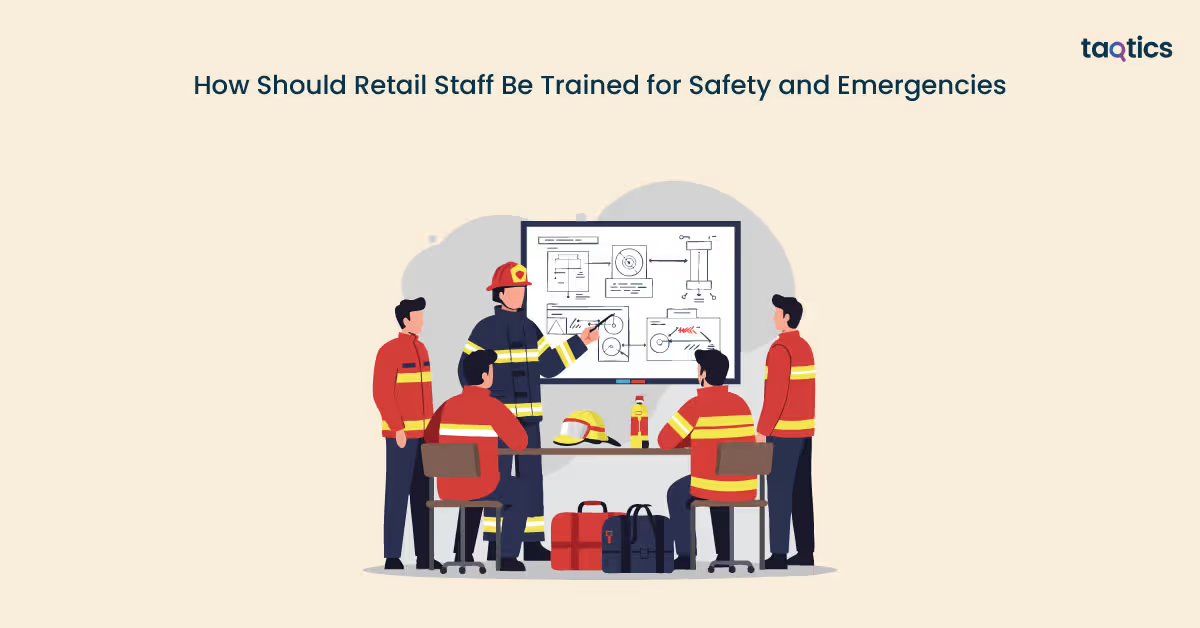
How Should Retail Staff Be Trained for Safety and Emergencies?
Retail Staff should be trained for safety and emergencies by implementing a structured program that equips employees with the knowledge, skills, and confidence to handle hazards and emergency situations effectively.
- Onboarding Safety Training: New employees should receive comprehensive training on store safety policies, hazard awareness, and proper use of equipment.
- Fire and Evacuation Drills: Regular drills help staff practice evacuation routes, identify exits, and respond quickly in case of fire or other emergencies.
- First Aid and AED Training: Employees should be trained in basic first aid and the use of automated external defibrillators (AEDs) to provide immediate assistance during medical emergencies.
- De-escalation Techniques: Staff should learn strategies to manage aggressive or confrontational customers safely and prevent potential violence.
- Incident Reporting Protocol: Employees need clear instructions on how to report hazards, accidents, or near-misses promptly to ensure timely corrective action and documentation.
By providing ongoing, hands-on training and refresher courses, retail stores can create a culture of safety where employees are prepared to protect themselves, customers, and the business during emergencies.
What Emergency Supplies Should Be Stocked in a Retail Store?
The emergency supplies that should be stocked in a retail store include essential items that allow staff to respond quickly and effectively during accidents, medical emergencies, or other crises.
- First Aid Kit (OSHA-compliant): Fully stocked with bandages, antiseptics, gloves, and other medical essentials for treating minor injuries.
- Flashlights and Batteries: Reliable lighting for power outages or emergency situations where visibility is limited.
- Portable Phone Charger: Ensures staff can maintain communication during emergencies if primary power sources fail.
- Fire Extinguisher: Properly maintained and easily accessible for controlling small fires before they spread.
- Emergency Contact Binder: Contains phone numbers for local authorities, fire, police, medical services, and internal emergency coordinators.
- Emergency Signage: Clearly marked exit signs, evacuation maps, and hazard warnings to guide staff and customers during crises.
By stocking these emergency supplies and ensuring staff know their locations and proper use, retail stores can respond efficiently to emergencies and maintain a safer environment for everyone.
How Do You Communicate During an Emergency in a Retail Environment?
You communicate during an emergency in a retail environment by using multiple channels to ensure timely and accurate information reaches both staff and customers.
- Public Announcement Systems: Use store PA systems to give clear, calm instructions to customers and employees.
- Staff Radios: Equip employees with two-way radios or walkie-talkies for real-time coordination on the sales floor and back areas.
- Emergency Text Alerts: Send instant alerts to staff phones or devices with instructions and updates during critical incidents.
- Social Media or Public Communication Plan: Notify the public and customers about store closures, safety updates, or instructions during larger emergencies.
- Communicating with Emergency Services: Maintain direct and efficient communication with police, fire, medical, or other local authorities to coordinate rapid response.
Using multiple communication channels ensures that all stakeholders are informed, reduces confusion, and helps manage emergencies effectively in a retail environment.
How Do You Create a Customized Safety Plan for Your Retail Location?
You create a customized safety plan for your retail location by tailoring safety and emergency procedures to the specific risks, layout, and operational needs of your store.
- Assess Store-Specific Risks: Identify hazards unique to your retail environment, such as heavy shelving, high-traffic areas, or equipment that could cause injury.
- Location-Based Natural Disaster Planning: Consider regional risks such as floods, earthquakes, tornadoes, or hurricanes and create appropriate response protocols.
- Consider Hours of Operation and Staffing Levels: Adjust emergency procedures based on peak hours, overnight shifts, or times when fewer staff are present.
- Collaborate with Fire Department and Local Officials: Work with local authorities to review evacuation plans, ensure compliance with fire codes, and participate in community emergency drills.
By incorporating these elements, a customized safety plan prepares your retail location for emergencies, minimizes risks, and ensures staff and customer safety under all circumstances.
Who Should Be Responsible for Safety & Emergency Readiness in Retail Stores?
Multiple levels of staff, from management to frontline employees, should be responsible for safety & emergency readiness in retail stores.
- Store Management: Overall accountability for safety programs, emergency plans, staff training, and compliance with legal requirements.
- Safety Officers or Designated Staff: Specific individuals tasked with conducting inspections, maintaining safety equipment, and monitoring adherence to protocols.
- Frontline Employees: Responsible for following safety procedures, reporting hazards, participating in drills, and assisting customers during emergencies.
- Corporate or Regional Safety Teams: In larger chains, these teams oversee policy implementation, provide training resources, and audit store compliance.
- Collaboration with Local Authorities: Managers and safety officers should coordinate with fire departments, police, and emergency services to ensure readiness and proper response during incidents.
By clearly defining responsibility at all levels, retail stores can maintain a culture of safety, ensure emergency preparedness, and protect employees, customers, and assets.
Can I be fined for not having a safety plan in my store?
Yes, retail store owners can be fined or face legal consequences for not having a proper safety and emergency plan in place.
- Fines and Penalties: OSHA and local authorities can impose monetary fines for non-compliance with workplace safety regulations.
- Legal Liability: If an accident or injury occurs and it is found that the store lacked a safety plan, the business may be held liable in civil lawsuits.
- Business Closure or Citations: Severe violations, especially those that put employees or customers at risk, can lead to temporary closure or formal citations.
- Insurance Issues: Lack of a documented safety plan may impact insurance claims or increase premiums after an incident.
Maintaining a documented and up-to-date safety and emergency plan is often a legal requirement that protects your employees, customers, and the business itself.
What documentation should I keep for safety compliance?
The documentation that you should keep for safety compliance of your retail store include all records that can help identify trends, address hazards proactively, and provide evidence during audits or inspections.
- Safety Inspections and Audit Logs: Records of regular safety checks, hazard assessments, and corrective actions taken.
- Employee Training Records: Documentation of onboarding safety training, emergency drills, first aid/AED training, and any refresher courses.
- Incident and Accident Reports: Detailed reports of workplace injuries, near misses, or customer accidents, including follow-up actions.
- Emergency Action Plans (EAPs): Written procedures for evacuation, lockdowns, fire drills, natural disasters, and other emergencies.
- Equipment Maintenance Records: Logs showing inspections and servicing of fire extinguishers, alarms, electrical systems, and other safety equipment.
- Regulatory Compliance Certificates: Permits, inspections, or approvals from local, state, or federal authorities confirming compliance with safety codes.
- Emergency Contact Lists: Up-to-date contact information for internal coordinators, local authorities, and emergency services.
Keeping these records organized, accessible, and up-to-date ensures your store is prepared for emergencies, demonstrates compliance, and minimizes legal and financial risks.
About the Author