
Supermarket Bakery Section Checklist: Definition, Importance & Components
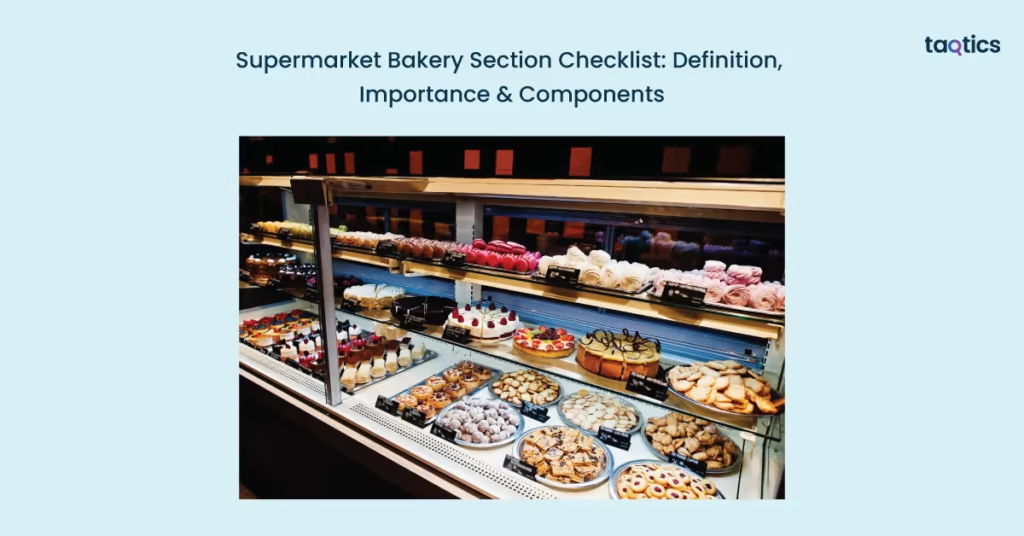
A supermarket bakery section checklist helps ensure baked goods are prepared, displayed, and stored in line with food safety, hygiene, and quality standards. A supermarket bakery section checklist also standardizes daily operations such as temperature control, cleaning, labeling, and stock rotation so that fresh products remain safe and appealing for customers. According to the 2023 Food Waste Index Report by UNEP, baked goods are among the most wasted food categories in retail due to short shelf life and inconsistent handling practices.
A supermarket bakery section checklist is essential for maintaining product freshness, reducing shrinkage, and ensuring regulatory compliance across bakery operations. The 2022 WRAP Retail Food Waste Report found that improved handling, storage, and display routines can reduce bakery waste by up to 20% in retail environments. By including structured components such as hygiene checks, temperature monitoring, display standards, and expiry tracking, a well-designed checklist helps supermarkets maintain quality consistency, improve efficiency, and protect customer trust.
What Is A Supermarket Bakery Section Checklist and Why Does It Matter?
A supermarket bakery section checklist is a structured tool used to ensure baked goods are prepared, handled, displayed, and stored according to food safety, hygiene, and quality standards. It provides clear daily tasks for staff to follow so that bakery operations remain consistent, compliant, and sales-ready throughout the day.
It matters because the bakery section involves fresh, short-shelf-life products that require careful handling, temperature control, and presentation to maintain quality and prevent losses.
- Ensures consistency across shifts: A standardized checklist helps every shift follow the same processes for baking, labeling, display, and cleaning, reducing errors and variability.
- Prevents food safety incidents and inspection failures: Regular checks for hygiene, temperature control, and expiry help maintain compliance with food safety regulations and audit requirements.
- Protects sales through availability and presentation: Well-stocked, neatly displayed bakery items attract customers and prevent lost sales due to empty or poorly maintained displays.
- Reduces shrink through rotation and markdown discipline: Following FIFO rotation and timely markdowns ensures products sell before expiry, minimizing waste and improving margins.
Using a supermarket bakery section checklist helps maintain quality, improve operational discipline, and ensure customers consistently receive fresh, safe, and appealing baked goods.
What Should Be Included In A Bakery Section Checklist?
A bakery section checklist should include daily operational tasks, periodic maintenance routines, and regulatory compliance checks to ensure food safety, product freshness, and consistent presentation. These components help bakery teams maintain quality while minimizing waste and operational risks.
Daily Bakery Checklist
Daily checks ensure that bakery operations run smoothly from opening to closing while maintaining hygiene, availability, and product quality.
Opening tasks will include the following:
- Check that ovens, proofers, chillers, and freezers are functioning at correct temperatures.
- Sanitize work surfaces, wash hands, and inspect for any pest or hygiene issues.
- Restock bread, pastries, and cakes; ensure display cases are clean and organized.
- Verify price tags, product labels, and expiry dates are accurate and visible.
Tasks to be carried out throughout the day will include:
- Follow FEFO (First-Expired, First-Out) to rotate stock and reduce waste.
- Monitor refrigeration and display temperatures at regular intervals.
- Refill displays in smaller batches to maintain freshness and presentation.
The closing tasks normally includes:
- Clean baking equipment, trays, utensils, and work surfaces thoroughly.
- Dispose of waste properly and clean floors and bins.
- Record items for markdown (typically 1–2 days before expiry) or wastage.
Weekly & Monthly Maintenance
Periodic maintenance helps maintain hygiene standards and ensures equipment runs efficiently.
- Deep clean bakery floors, walls, racks, and storage areas.
- Service equipment such as ovens and mixers; check belts and descale where needed.
- Conduct periodic inventory audits to track shrinkage and stock accuracy.
Regulatory Compliance
Compliance checks ensure bakery operations meet health and safety standards and remain inspection-ready.
- Follow local food safety and health regulations (such as FSSAI or equivalent).
- Ensure staff maintain hygiene standards with proper uniforms, gloves, and hairnets.
- Maintain logs for cleaning, temperature checks, and product expiry monitoring.
Including these elements in a bakery section checklist helps supermarkets maintain hygiene, ensure fresh product availability, reduce shrinkage, and deliver a consistent bakery experience to customers.
How Do You Digitize A Bakery Section Checklist Using Taqtics?
You can digitize a bakery section checklist using Taqtics by converting routine paper checks into structured, trackable digital tasks that ensure consistent execution and accountability across shifts and stores.
As a retail operations management platform, Taqtics helps standardize bakery hygiene, temperature, labeling, and display checks while giving managers real-time visibility.
- Convert checklist sections into scheduled tasks: Set tasks by frequency, opening, mid-day, closing, weekly, or monthly, so that the bakery teams receive automated reminders and nothing is missed.
- Define pass/fail standards for each check: Add clear criteria for temperature limits, cleanliness, labeling accuracy, and display quality so staff can evaluate conditions consistently.
- Require photo proof where needed: Capture images of cleaned workstations, labeled products, or display cases to create visual evidence and improve accountability.
- Enable automatic escalation for failures: If a check fails (e.g., temperature out of range or poor sanitation), the system can alert supervisors instantly for corrective action.
- Use dashboards to track recurring issues: Managers can monitor trends such as repeated temperature deviations, labeling errors, out-of-stock bakery items, or sanitation gaps across stores.
- Assign and track corrective actions: Issues can be assigned to specific roles (bakery lead, store manager, maintenance), with completion tracking and verification to ensure closure.
By digitizing bakery checklists through Taqtics, supermarkets can improve compliance, maintain hygiene and quality standards, reduce shrink, and ensure consistent bakery operations across all locations.
How Do You Manage Shrink And Waste In Bakery Without Hurting Sales?
You can manage shrink and waste in the bakery section without hurting sales by addressing operational root causes early and using structured tracking to balance freshness with availability.
- Control overproduction with better forecasting: Bake and replenish in smaller batches based on hourly sales trends instead of producing large quantities at once.
- Enforce strict rotation discipline: Follow FEFO/FIFO so older items move to the front and sell first, preventing unsold stock from expiring in the display or backroom.
- Protect products from display damage: Avoid overstacking delicate items and use proper trays or covers to reduce handling damage and contamination.
- Use timely markdown strategies: Apply discounts to near-expiry items at the right time to sell them before they become unsellable, protecting both margin and availability.
- Track daily waste with reason codes: Record why items are wasted (overproduction, staleness, damage, expiry) to identify recurring operational issues.
- Review shrink weekly: Conduct a weekly review of waste trends by SKU and shift to refine baking volumes, supplier orders, and display planning.
By combining disciplined production planning, structured rotation, and data-driven waste tracking, supermarkets can reduce bakery shrink while keeping shelves full and attractive for customers.
How Do You Manage Allergens In A Supermarket Bakery?
You can manage allergens in a supermarket bakery by implementing clear labeling, strict handling procedures, and strong staff training to prevent cross-contact and protect customer safety.
- Clearly label all bakery items with full ingredient and allergen information.
- Highlight major allergens (e.g., nuts, gluten, dairy, eggs, soy) prominently.
- Segregate allergen-containing products from allergen-sensitive items.
- Use separate utensils and trays to prevent cross-contact.
- Store allergen ingredients in sealed, labeled containers.
- Sanitize equipment and surfaces between batches.
- Train staff to answer allergen-related customer queries accurately.
- Display customer advisory signage regarding allergens.
Strong allergen management practices help supermarkets protect customers, maintain compliance with food safety standards, and build trust in the bakery section.
How Do You Prevent Cross-Contamination In Bakery Displays?
You can prevent cross-contamination in bakery displays by maintaining clear separation, hygiene, and disciplined handling practices to ensure products remain safe and presentable.
- Use separate trays and tongs for different product types.
- Keep allergen-containing items (e.g., nuts) in clearly separated sections.
- Avoid stacking different bakery items directly on top of each other.
- Cover products with sneeze guards or display covers.
- Clean and sanitize display trays and shelves regularly.
- Remove damaged or fallen items immediately.
- Ensure staff use gloves or clean their hands when handling products.
- Keep raw ingredients away from ready-to-eat bakery displays.
Following these practices helps maintain food safety, protect customers with allergies, and keep bakery displays clean and compliant.
What Should A Bakery Manager Check During A Store Walk?
A bakery manager should conduct a structured store walk to ensure product quality, food safety, presentation standards, and operational discipline are consistently maintained throughout the day.
- Look for staleness, dryness, discoloration, or damaged items on display.
- Confirm FEFO/FIFO is being followed and older products are placed at the front.
- Ensure trays are clean, well-organized, not overcrowded, and visually appealing.
- Verify correct pricing, ingredient labels, allergen declarations, and expiry dates.
- Check refrigeration units and freezer logs for in-range temperatures.
- Inspect counters, tools, racks, and floors for cleanliness.
- Confirm proper uniforms, gloves, hairnets, and handwashing practices.
- Review markdown items and check if near-expiry products are being managed properly.
- Ensure ovens, mixers, proofers, and chillers are functioning correctly.
- Observe availability, queue flow, and product accessibility.
A consistent, checklist-driven store walk enables bakery managers to protect food safety, reduce shrink, maintain presentation standards, and ensure the bakery section consistently drives sales and customer satisfaction.
What Are The Most Common Bakery Department Audit Failures?
The most common bakery department audit failures usually stem from gaps in hygiene, labeling, temperature control, and documentation.
- Missing or incorrect allergen and ingredient labeling.
- Expired or near-expiry items left on display.
- Poor stock rotation (FIFO/FEFO not followed).
- Incomplete temperature logs or out-of-range storage temperatures.
- Unsanitary work surfaces, trays, or display cases.
- Staff not following hygiene protocols (gloves, hairnets, handwashing).
- Cross-contamination risks between products or allergens.
- Improper waste tracking or markdown documentation.
- Equipment is not cleaned or maintained regularly.
- Missing cleaning schedules or audit records.
Addressing these common gaps through structured checklists, staff training, and regular internal audits helps bakery departments stay compliant, reduce shrink, and maintain consistent product quality and safety.
About the Author