Food Safety & Hygiene Audit: Definition, Importance,Types And How To Conduct
Food safety and hygiene audit is a systematic process that ensures the food we consume is safe, uncontaminated, and prepared under proper sanitary conditions. Food safety and hygiene audit acts like a quality checkpoint. Similar to checking the expiry date on milk before pouring it into your tea, or wash vegetables thoroughly before cooking, these audits verify that food handling, storage, and preparation meet required safety standards. They cover everything from kitchen cleanliness and staff hygiene to storage temperatures and pest control. In fact, the World Health Organization (WHO, 2022) estimates that unsafe food causes 600 million cases of foodborne illness annually, highlighting why such audits are critical to public health.
From the packaged snacks in your child’s lunchbox to the fresh salad served at your favorite restaurant, every safe bite you take is often the result of these structured checks. Regular audits not only protect consumers but also safeguard a business’s reputation and compliance with food safety laws. According to the Centers for Disease Control and Prevention (CDC, 2023), one in six Americans gets sick from contaminated food each year, a reality that underscores the need for proactive monitoring. By ensuring adherence to hygiene standards, these audits act as the unseen guardians of our everyday meals.
What is a Food Safety & Hygiene Audit?
A Food Safety & Hygiene Audit is a structured assessment that evaluates whether a food business follows proper safety and sanitation practices at every stage, from sourcing ingredients to serving the final dish. It works like a regular health check-up for your kitchen, ensuring that hidden risks are caught before they harm consumers. For instance, just as you would discard bread showing signs of mold or store ice cream in the freezer to prevent spoilage, food businesses use audits to spot and fix similar risks on a larger scale. The Food Standards Agency (FSA, 2023) reports that over 2.4 million cases of foodborne illness occur in the UK each year, often due to preventable contamination, making these audits vital in identifying and controlling hazards before they escalate.
These audits serve multiple purposes, like preventing foodborne illnesses, ensuring legal compliance, building customer confidence, enhancing brand reputation, and driving continuous improvement in operations. For example, a bakery that keeps raw eggs separate from ready-to-eat pastries avoids cross-contamination, protecting both customers and its reputation. By confirming compliance with safety laws, audits can save businesses from penalties or even closure. A European Food Safety Authority (EFSA, 2022) study found that more than 4,000 food safety alerts were issued in the EU in one year alone, underscoring the ongoing need for vigilance. Ultimately, these audits are not just regulatory checkboxes, but essential guardians of public health and trust in the food industry.
Why Are Food Safety & Hygiene Audits Important?
Food safety and hygiene audits are important because they protect consumers from foodborne illnesses, ensure compliance with local and international food safety regulations, help businesses maintain a good reputation, prevent costly legal issues and recalls, and improve operational efficiency.
1. Protects Consumers from Foodborne Illnesses
The foremost purpose of these audits is to safeguard public health by identifying and eliminating contamination risks. Just as you would refrigerate leftover food to stop it from spoiling overnight, businesses use audits to check temperature control, cross-contamination risks, and hygiene practices. According to the Food Safety Information Council (Australia, 2023), an estimated 4.1 million Australians suffer from food poisoning each year, underscoring the importance of consistent inspections.
2. Ensures Compliance with Local and International Food Safety Regulations
Food businesses must adhere to a wide range of legal and regulatory standards, from national laws to global frameworks like the Codex Alimentarius. For instance, export-oriented companies must meet both domestic and importing country requirements. The Food and Agriculture Organization (FAO, 2022) notes that non-compliance with international standards can block market access and result in significant financial losses, especially for exporters.
3. Helps Businesses Maintain a Good Reputation
Trust in a brand is built over time but can be lost overnight with one food safety incident. Consumers often share negative experiences quickly, especially on social media, magnifying reputational damage. The International Food Information Council (IFIC, 2021) found that 69% of consumers say they would stop buying from a brand after a single food safety lapse, highlighting the reputational stakes.
4. Prevents Costly Legal Issues and Recalls
A product recall can drain resources, damage trust, and attract legal action. For example, a contaminated batch of packaged salad might require nationwide recall and disposal, costing millions. The Grocery Manufacturers Association (GMA, 2022) reported that the average direct cost of a food recall to a company is $10 million, excluding brand damage and lost sales.
5. Improves Operational Efficiency
Audits also pinpoint inefficiencies in processes, reducing waste and optimizing workflow. For instance, identifying improper storage methods can cut spoilage rates, saving both food and money. The Canadian Institute of Food Safety (CIFS, 2023) reports that businesses conducting regular food safety audits experience up to 15% improvement in inventory management, directly impacting profitability.
Food safety and hygiene audits are a vital tool for keeping consumers safe, protecting business integrity, and ensuring compliance in a competitive global market. By proactively managing risks and improving operations, they help create a food system that is both trustworthy and sustainable.
What Are The Types of Food Safety & Hygiene Audit?
The types of food safety and hygiene audits vary based on their purpose, scope, and who conducts them, ensuring that every stage of the food supply chain is monitored effectively. From internal self-assessments to third-party certifications, each type plays a role in maintaining safe, high-quality food.
Internal Audits
Internal audits are conducted by the company’s own staff as a self-assessment tool to monitor compliance with food safety standards before facing formal inspections. They work like a trial run, allowing businesses to detect and correct gaps in hygiene, storage, or handling processes. For example, a restaurant’s kitchen team might check refrigerator temperatures and cleaning logs weekly to ensure everything is in order. According to the British Retail Consortium (BRC, 2022), companies performing regular internal audits reduce the likelihood of non-conformance during external inspections by up to 40%, demonstrating their value as a proactive measure.
External Audits
External audits are carried out by independent entities outside the business, bringing objectivity and credibility to the evaluation process. They come in three key forms:
- Regulatory Audits – Mandated by government agencies such as the FDA (U.S.), USDA, or FSSAI (India), these audits verify compliance with specific food safety laws. Failing such an audit can lead to fines, product seizures, or business closure. The US Food and Drug Administration (FDA, 2023) reports conducting over 8,000 food facility inspections annually, emphasizing their enforcement role.
- Third-Party Audits – Performed by independent certification bodies like ISO 22000, Safe Quality Food (SQF), or HACCP auditors, these are often required for certifications or to meet customer demands. Certification can boost market access and buyer confidence; the Global Food Safety Initiative (GFSI, 2022) notes that certified suppliers are 35% more likely to secure contracts with major retailers.
- Customer/Supplier Audits – Conducted by a business to assess the safety and quality practices of its suppliers, ensuring safe sourcing of ingredients. For example, a supermarket chain may audit a dairy supplier’s facility before stocking its products. The Canadian Food Inspection Agency (CFIA, 2023) highlights that supply chain audits reduce the risk of food recalls by identifying hazards at the source.
Understanding the different types of audits helps businesses choose the right approach for compliance, risk management, and quality assurance. By combining the right audit types, food operators can build a strong safety culture and protect consumer trust.
What Are the Key Components of a Food Safety & Hygiene Audit?
The key components of food safety and hygiene audits are the Food Safety Management System (FSMS), food handling and storage, sanitation and cleaning, employee hygiene, pest control, documentation and recordkeeping, facility and equipment maintenance, and traceability and recall procedures.
- Food Safety Management System (FSMS)
An FSMS is the backbone of food safety, encompassing policies, procedures, and documentation to control hazards. This includes hazard analysis, critical control points, and corrective action protocols. According to the International Organization for Standardization (ISO, 2023), businesses with a certified FSMS experience up to 25% fewer food safety incidents, proving its role in consistent compliance.
- Food Handling and Storage
This involves evaluating how food is received, stored, prepared, cooked, cooled, and served. Proper temperature control is critical, cold foods should be stored at or below 5°C and hot foods above 60°C. The New Zealand Ministry for Primary Industries (MPI, 2022) found that improper temperature control was a factor in 37% of reported foodborne outbreaks, making this a key audit area.
- Sanitation and Cleaning
Clean facilities, equipment, and utensils are essential for preventing contamination. Audits check cleaning schedules, methods, and the use of approved sanitizers. The European Centre for Disease Prevention and Control (ECDC, 2023) notes that poor sanitation contributes to nearly 20% of foodborne disease outbreaks in Europe, reinforcing the need for strict cleanliness standards.
- Employee Hygiene
Employee practices such as handwashing, proper attire, and health checks are reviewed to minimize contamination risks. For example, workers must avoid handling food when ill and follow hand hygiene protocols. A Johns Hopkins Bloomberg School of Public Health (2022) study found that strict hand hygiene protocols in food businesses can reduce norovirus outbreaks by up to 47%.
- Pest Control
Audits evaluate measures to prevent pest infestations, such as sealing entry points, regular inspections, and safe use of pest control chemicals. The UK Chartered Institute of Environmental Health (CIEH, 2022) reports that pest infestations are linked to nearly 12% of all food safety enforcement actions, highlighting their economic and reputational impact.
- Documentation and Recordkeeping
Accurate records, such as temperature logs, cleaning schedules, and training records, are essential for proving compliance and tracing issues. The Australian Department of Health (2023) emphasizes that incomplete documentation is one of the most common reasons businesses fail food safety audits, underlining its importance.
- Facility and Equipment
Audits check the condition and maintenance of food preparation areas, storage units, and cooking equipment to ensure they are safe and functional. The National Restaurant Association (US, 2022) states that equipment failure is a contributing factor in 16% of reported food safety violations.
- Traceability and Recall Procedures
Effective systems for tracking food products and executing recalls are vital in containing contamination quickly. The Food and Drink Federation (UK, 2023) found that businesses with robust traceability systems resolve recall issues 35% faster, reducing both public health risks and financial losses.
These components form the foundation of a strong food safety and hygiene audit, ensuring that risks are identified and controlled at every stage. By systematically evaluating each area, businesses can protect consumers, meet regulatory demands, and maintain a trustworthy brand image.
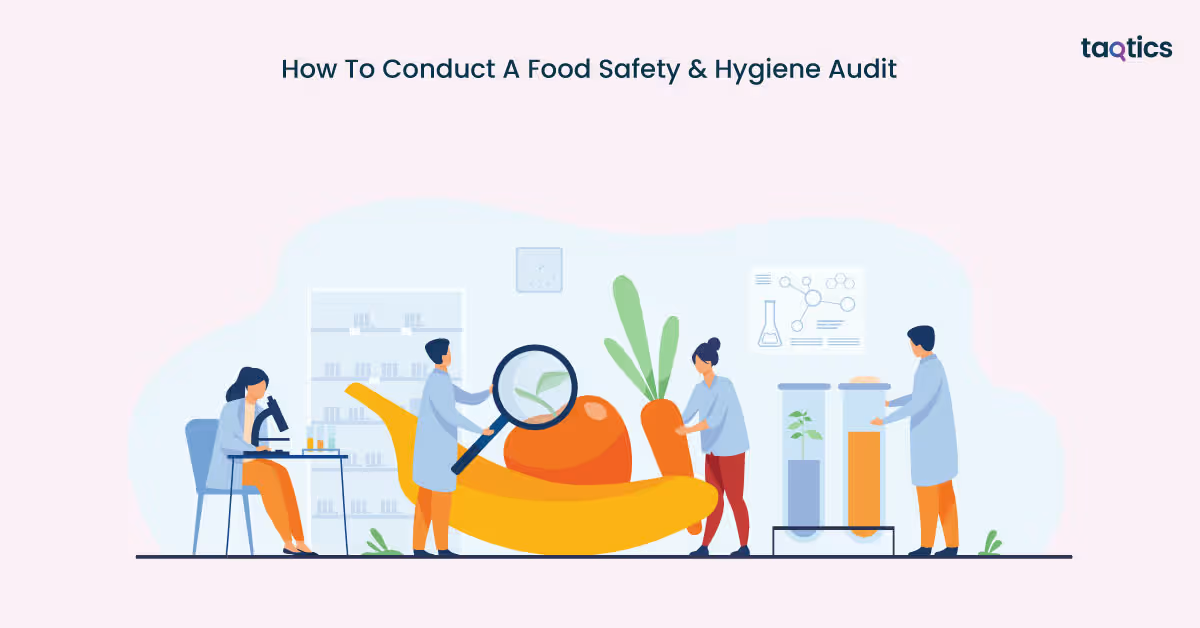
How To Conduct A Food Safety & Hygiene Audit
To conduct a food safety and hygiene audit, restaurants must follow a structured process that includes preparation, on-site inspection, documentation review, staff interviews, and corrective action planning.
Pre-Audit Preparation
Preparation sets the foundation for a successful audit. Businesses must establish clear objectives and scope, such as focusing on compliance, operational efficiency, or certification readiness. Creating a comprehensive checklist tailored to the specific business and relevant regulations, like HACCP or ISO 22000, ensures no detail is overlooked. Staff should be trained on food safety protocols, not only for the audit but as part of daily operations. Gathering all necessary documentation, including HACCP plans, cleaning schedules, temperature logs, training records, and supplier certificates, helps streamline the process. Conducting internal audits beforehand can catch potential non-compliances early. The Chartered Institute of Environmental Health (CIEH, 2023) found that businesses that conduct regular pre-audit checks are 42% more likely to pass external inspections without major issues.
On-Site Inspection and Process Review
This stage involves observing food handling practices, ensuring proper hygiene, temperature control, and cross-contamination prevention. Inspectors will assess the cleanliness of food preparation areas, storage spaces, equipment, and employee hygiene facilities. Waste disposal systems and pest control measures are also reviewed. For example, an inspector might check whether raw meat is stored separately from fresh produce in cold storage. The World Health Organization (WHO, 2023) reports that improper food handling during preparation is one of the top three contributors to global foodborne illness outbreaks.
Documentation and Compliance Check
Auditors verify that all records are accurate, current, and demonstrate regulatory compliance. This includes checking food labels, expiry dates, and ensuring ingredients are sourced from approved suppliers. Traceability is key, businesses should be able to identify the source and distribution path of any product. According to the Food Standards Agency (FSA, UK, 2022), inaccurate or missing documentation is involved in nearly 18% of all recorded food safety breaches.
Audit Report and Findings
After the inspection, businesses receive a detailed report summarizing findings, non-conformities, and areas for improvement. The next step is developing a Corrective Action Plan (CAP), assigning responsibilities, and setting timelines to address issues. This stage turns audit insights into actionable improvements. The Canadian Food Inspection Agency (CFIA, 2022) highlights that organizations implementing corrective actions within 30 days of an audit reduce repeat violations by up to 60%.
By following a clear audit process, restaurants can identify risks early, improve operational practices, and maintain consumer trust. A well-conducted audit not only meets legal requirements but also strengthens the overall safety culture of the business.
What Are the Common Food Safety & Hygiene Audit Standards?
The common food safety and hygiene audit standards include HACCP (Hazard Analysis and Critical Control Points), ISO 22000, and the Global Food Safety Initiative (GFSI). These globally recognized frameworks provide structured methods for identifying risks, implementing controls, and ensuring consistent food safety across the supply chain.
HACCP (Hazard Analysis and Critical Control Points)
HACCP is a preventive food safety system that identifies potential hazards and implements controls at critical points in the production process. It is widely used in both manufacturing and hospitality sectors to prevent contamination before it happens. For example, a seafood processing plant might use HACCP to monitor storage temperatures and prevent bacterial growth. The US Centers for Disease Control and Prevention (CDC, 2022) states that proper implementation of HACCP systems can reduce foodborne illness outbreaks in food processing facilities by up to 50%.
ISO 22000
ISO 22000 is an international standard that integrates HACCP principles with broader food safety management requirements, including communication, system management, and continual improvement. It applies to any organization in the food chain, from farm to fork. Certification can enhance global trade opportunities and build customer trust. According to the International Organization for Standardization (ISO, 2022), ISO 22000-certified companies report a 30% improvement in audit compliance rates compared to non-certified counterparts.
Global Food Safety Initiative (GFSI)
GFSI is a benchmarking organization that recognizes various food safety certification programs such as BRCGS, SQF, and FSSC 22000. It aims to harmonize global standards and reduce the need for duplicate audits, which is particularly beneficial for multinational supply chains. The Consumer Goods Forum (CGF, 2023) reports that GFSI-recognized certification programs have led to a 25% reduction in supply chain audit duplication, saving companies both time and cost.
By following recognized standards like HACCP, ISO 22000, and GFSI, businesses can strengthen their safety protocols, improve regulatory compliance, and build stronger consumer trust. Adopting these frameworks not only reduces risks but also supports smooth operations in both local and international markets.
FSSAI Guidelines For Audits In India
The Food Safety and Standards Authority of India (FSSAI) mandates food safety audits for specific categories of food businesses, particularly those considered high risk. The classification depends on factors like:
- Type of food handled (e.g., dairy, seafood, ready-to-eat items)
- Processing methods used (e.g., raw, minimally processed, heat-treated)
- Volume of production
FSSAI Annual Report (2023) notes that high-risk food categories account for over 65% of reported food safety violations in India, which justifies closer oversight.
Key requirements under FSSAI audit guidelines
- Engagement of recognized auditing agencies – Food businesses must hire only FSSAI-listed agencies to conduct audits, ensuring credibility and standardization.
- Specified audit frequency – Audits must be conducted at intervals prescribed for the business category.
- Benefit of reduced inspections – Businesses with satisfactory audit ratings may face less frequent inspections from Central or State licensing authorities.
- Standardized audit framework – The process follows ISO 19011:2011 guidelines (auditing management systems) along with FSSAI’s official audit checklist for consistency.
- Publicly available auditor list – All recognized agencies are listed on the FSSAI website for transparency.
FSSAI Data (2022) shows that businesses consistently passing third-party audits experience 38% fewer regulatory non-compliance cases compared to those without regular audits.
How Often Should a Food Safety & Hygiene Audit Be Conducted?
A food safety and hygiene audit should be conducted at a frequency that aligns with the business type, risk level, and operational scale, ranging from daily internal checks to quarterly or annual third-party inspections. Regular audits ensure that safety lapses are caught early, reducing the risk of foodborne illness, legal penalties, and brand damage.
Recommended Frequency Based on Business Type
Different businesses require different audit schedules. High-risk operations like hospitals, airline catering, and ready-to-eat food processors may need daily or weekly internal audits, while medium-risk businesses such as bakeries or casual dining outlets often conduct monthly checks. Low-risk operations, like packaged goods warehouses, may only require quarterly or annual external audits. The Australian Department of Agriculture, Fisheries and Forestry (2023) notes that high-risk food facilities inspected more than once a month report 28% fewer non-compliance incidents compared to those inspected quarterly.
Factors Influencing Audit Frequency
Audit schedules depend on the type of food handled, volume of production, distribution reach, and history of compliance. For example, a seafood exporter with a global supply chain will need more frequent audits than a small, local bakery. The Singapore Food Agency (SFA, 2022) highlights that businesses producing high-risk food categories, like raw seafood or dairy, face twice the audit frequency of low-risk producers due to perishability and contamination risk.
Periodic vs. Random Audits
Periodic audits are scheduled in advance, giving businesses time to prepare, while random audits occur without notice to evaluate real-world operations. Both approaches have value, scheduled audits ensure thorough review, while unannounced visits reveal day-to-day compliance levels. The European Food Safety Authority (EFSA, 2023) reports that random audits detect 21% more hygiene lapses compared to pre-scheduled inspections, showing why a mix of both is recommended.
The frequency of a food safety and hygiene audit should be tailored to the specific risks and needs of each business. By balancing regular internal reviews with external oversight, both scheduled and unannounced, businesses can maintain consistent safety standards and protect public health.
What Does a Food Safety & Hygiene Audit Checklist Look Like?
A food safety and hygiene audit checklist looks like a detailed reference tool that outlines critical areas in a food business requiring regular inspection, covering cleaning standards, cross-contamination prevention, storage practices, and more.
Cleaning and Sanitation Practices
Effective cleaning and sanitation are the backbone of food safety. The checklist should include daily, weekly, and monthly cleaning tasks for all food contact surfaces, utensils, and equipment. According to the World Health Organization (WHO, 2022), inadequate cleaning is one of the top three causes of foodborne illness outbreaks globally, making documented cleaning schedules and visual inspections a vital part of audits. Proper cleaning logs with sign-offs ensure accountability and traceability.
Cross-Contamination Prevention
Preventing raw-to-ready-food contamination is critical in audit checklists. This section includes verifying color-coded chopping boards, separate storage areas for raw and cooked items, and correct handwashing procedures. The US Centers for Disease Control and Prevention (CDC, 2021) reported that improper food handling, including cross-contamination, contributes to approximately 48 million cases of foodborne illness annually in the U.S. alone. A well-structured checklist ensures each preventive measure is documented and regularly reviewed.
Food Storage and Temperature Control
Audit points here include checking refrigerator and freezer temperatures, correct stock rotation (First In, First Out), and airtight storage for dry goods. As per the European Food Safety Authority (EFSA, 2022), improper storage and temperature abuse account for more than 20% of reported food safety incidents in Europe. The checklist should guide staff on safe temperature ranges, typically below 5°C for chilled foods and -18°C for frozen items and require calibration records for thermometers.
Downloadable or Visual Checklist
A downloadable or visual version of the checklist enhances usability and compliance. Visual cues, such as color-coded inspection sheets or pictorial charts, can improve adherence by 30% compared to text-only documents (Food Standards Agency UK, 2021). The document should be accessible in both digital and print formats to accommodate different workplace setups.
Example Audit Template
An audit template might be structured with sections for:
- Date & Auditor Name
- Area of Inspection (e.g., kitchen, storage, service area)
- Specific Criteria (cleanliness, temperature logs, PPE use)
- Compliance Status (Pass/Fail/Needs Improvement)
- Corrective Actions & Completion Date
Such templates help standardize audits across multiple outlets or shifts, ensuring that no critical checks are missed.
A food safety and hygiene audit checklist acts as both a compliance safeguard and a practical management tool. By systematically addressing cleaning, contamination prevention, and storage, and by using a clear, structured template, businesses can reduce risks, improve staff accountability, and ensure safer food for consumers.
What Are the Most Common Issues Found During Food Safety & Hygiene Audits?
The most common issues found during food safety and hygiene audits are improper food storage, cross-contamination risks, poor employee hygiene, unclean facilities, inadequate pest control measures, and insufficient staff training.
Improper Food Storage
Incorrect storage temperatures and expired stock are frequent violations during audits. Perishable items stored above recommended temperatures encourage bacterial growth, significantly increasing the risk of foodborne illnesses. The Food and Agriculture Organization (FAO, 2021) notes that temperature abuse in the food chain can accelerate microbial growth by 200%, especially in high-protein foods like meat and dairy. An audit will check cold storage logs, stock rotation practices, and expiry date monitoring.
Cross-Contamination Risks
Improper handling of raw and cooked foods remains a major hazard. This includes using the same cutting boards, utensils, or surfaces without proper sanitation. According to the U.S. Food and Drug Administration (FDA, 2022), cross-contamination is a contributing factor in over 30% of investigated foodborne illness outbreaks. Audit checks focus on color-coded kitchen tools, separate storage spaces, and proper sequencing of food preparation tasks.
Poor Employee Hygiene
Lack of regular handwashing, wearing dirty uniforms, or improper use of gloves are critical hygiene breaches. The World Health Organization (WHO, 2021) highlights that up to 40% of foodborne disease outbreaks can be traced to improper hand hygiene in food handling. Auditors look for documented hygiene policies, availability of handwashing stations, and consistent compliance with glove and hairnet use.
Unclean Facilities
Dirty kitchens, grease build-up on equipment, and unmaintained restrooms can lead to contamination and pest infestations. The Food Standards Australia New Zealand (FSANZ, 2022) reported that poor cleaning practices were cited in 25% of food premises found to be non-compliant during inspections. Audit assessments include both visual inspections and cleaning log reviews.
Inadequate Pest Control Measures
The presence of insects, rodents, or pest droppings is a serious red flag in audits. Pest infestations not only cause contamination but can also result in immediate business closure in severe cases. Data from the National Pest Management Association (NPMA, 2021) shows that 29% of food facilities experience pest-related contamination annually, often due to inadequate sealing, infrequent inspections, or poor waste management.
Insufficient Staff Training on Food Safety
Without proper training, even experienced staff can overlook critical safety protocols. This includes incorrect cooking temperatures, mishandling allergens, or neglecting cleaning routines. The Chartered Institute of Environmental Health (CIEH, 2022) found that businesses with untrained food handlers were twice as likely to fail hygiene audits compared to those with trained staff. Regular refresher courses and documented training schedules are essential audit requirements.
These recurring issues highlight the importance of ongoing vigilance and corrective action in food safety management. Addressing them promptly not only ensures regulatory compliance but also protects consumer health and strengthens business credibility.
How Can You Prepare for a Food Safety & Hygiene Audit?
You can prepare a food safety and hygiene audit by providing employee training, conducting routine checks, implementing corrective actions, maintaining documentation, and performing self-audits. These steps help ensure your business meets compliance requirements, reduces operational risks, and improves overall food safety standards.
Employee Training
Ensure all staff are familiar with hygiene and safety standards through regular training programs. This should cover hand hygiene, cross-contamination prevention, correct storage temperatures, and cleaning procedures. The International Food Information Council (IFIC, 2022) found that businesses with ongoing training programs saw a 35% reduction in food safety violations compared to those offering only one-time training. Regular refresher courses also keep employees updated on changing regulations.
Routine Checks
Regular inspections of facilities, equipment, and food handling procedures help detect issues before they become serious problems. According to Safe Food Canada (2021), facilities conducting weekly internal checks are 40% more likely to pass official audits on their first attempt. This includes checking fridge temperatures, equipment cleanliness, and compliance with pest control measures.
Corrective Actions
Address known issues before the audit to demonstrate a proactive approach. This may involve repairing faulty refrigeration, replacing worn-out utensils, or revising cleaning schedules. The Food Safety Authority of Ireland (FSAI, 2022) notes that facilities taking immediate corrective action after internal checks had a 50% higher compliance rate during external audits compared to those that delayed fixes.
Documentation
Keep organized records of inspections, cleaning schedules, temperature logs, pest control reports, and employee training. Auditors rely heavily on documentation to verify compliance. The European Commission Food Safety Report (2021) emphasizes that incomplete records are one of the top five reasons for audit failure. A clear filing system, digital or paper, ensures quick access during inspections.
Self-Audit
Conduct mock audits using the same criteria as official inspections to identify potential gaps. This creates a low-risk environment for staff to practice compliance. Data from the British Retail Consortium (BRC, 2022) shows that companies performing quarterly self-audits improved their audit scores by an average of 15% over a year. Self-audits also build employee confidence in handling real inspections.
Preparing for a food safety and hygiene audit requires a balance of training, consistent monitoring, and thorough documentation. By addressing issues early and simulating the audit process, you not only boost your compliance rate but also foster a culture of continuous food safety improvement.
What Happens After a Food Safety & Hygiene Audit?
After a food safety and hygiene audit, businesses receive a detailed report of the findings, create an action plan for improvements, implement corrective measures, and may undergo follow-up audits to ensure sustained compliance. This post-audit phase is critical for transforming insights into tangible improvements in food safety.
Audit Report
The first step after an audit is receiving and reviewing the official report, which outlines compliance levels, identified risks, and specific areas needing improvement. According to the Food Safety Magazine (2021), 72% of businesses that failed audits cited misunderstanding or overlooking the details of the audit report as a major reason for not resolving issues effectively. Taking time to carefully read and clarify the findings with the auditor ensures a clear roadmap for the next steps.
Action Plan
Based on the audit report, businesses must develop an action plan detailing timelines, responsibilities, and resources needed to address each issue. The Canadian Food Inspection Agency (CFIA, 2022) notes that companies with clearly documented action plans improved their compliance rates by 60% within six months compared to those without a formal plan. This plan acts as a structured guide for prioritizing tasks.
Implementation of Corrective Measures
This stage involves making the necessary changes, such as upgrading equipment, retraining staff, revising cleaning schedules, or adjusting food storage procedures. The International Association for Food Protection (IAFP, 2021) found that prompt implementation of corrective measures within 30 days of an audit reduced the likelihood of repeat violations by up to 45%. Clear communication and staff involvement are key to ensuring these changes stick.
Follow-up Audits
Follow-up audits verify whether the corrective measures have been successfully implemented and sustained. In some cases, these may be mandatory for businesses with serious non-compliance issues. The Food Standards Agency UK (2022) reported that 38% of facilities failing initial audits passed on follow-up inspections after demonstrating consistent improvements over a 3–6 month period. Regular follow-ups also help reinforce a culture of continuous improvement.
What happens after a food safety and hygiene audit is just as important as the audit itself. By understanding the findings, creating a clear action plan, implementing changes, and verifying results through follow-ups, businesses can strengthen compliance and protect public health.
How Can Food Businesses Ensure Continuous Food Safety Compliance?
A food business can ensure continuous food safety compliance by providing regular training, fostering a culture of food safety, conducting self-audits, partnering with compliant suppliers, and leveraging technology for monitoring.
Regular Training and Updates on Food Safety Standards
Ongoing training ensures employees remain aware of current regulations, emerging risks, and best practices. This includes refresher sessions on hygiene, temperature control, allergen management, and cleaning procedures. The National Restaurant Association (2022) found that businesses providing quarterly food safety updates had 25% fewer violations compared to those offering only annual training.
Implementing a Culture of Food Safety Within the Organization
Creating a safety-first mindset means embedding food safety into daily routines, from kitchen staff to management. Leadership should model good practices, recognize compliant behavior, and encourage reporting of potential hazards. According to the Global Food Safety Initiative (GFSI, 2021), companies with strong safety cultures are three times more likely to maintain consistent audit compliance over a five-year period.
Consistent Self-Auditing and Random Checks
Routine self-audits and unannounced checks allow businesses to spot and fix problems before official inspections. This proactive approach ensures real-world readiness rather than preparing only when an audit is scheduled. The Australian Institute of Food Safety (AIFS, 2022) reported that facilities performing monthly internal audits achieved 18% higher compliance rates than those relying solely on annual external audits.
Partnering with Trusted Suppliers Who Comply with Food Safety Standards
Supplier compliance is as important as in-house standards because contaminated or mishandled ingredients can compromise the entire operation. Businesses should verify supplier certifications, audit their facilities, and maintain detailed sourcing records. Data from the Food Marketing Institute (FMI, 2021) shows that 23% of food recalls in North America were linked to supplier non-compliance, highlighting the need for rigorous partner vetting.
Leveraging Technology to Streamline Audits and Compliance Tracking
Using apps and software for real-time temperature logging, digital checklists, and automated compliance alerts can significantly reduce human error. These tools also centralize records for easy audit preparation. The TechNavio Food Safety Software Market Report (2022) projects a 7.5% annual growth in adoption of such solutions, with businesses reporting up to 40% faster resolution of compliance issues.
Continuous food safety compliance requires more than passing a single audit. It demands an ongoing commitment. By combining training, cultural change, proactive checks, reliable suppliers, and smart technology, food businesses can safeguard their operations and reputation year-round.
About the Author