Restaurant Cashier Checklist: Definition, Importance & Components
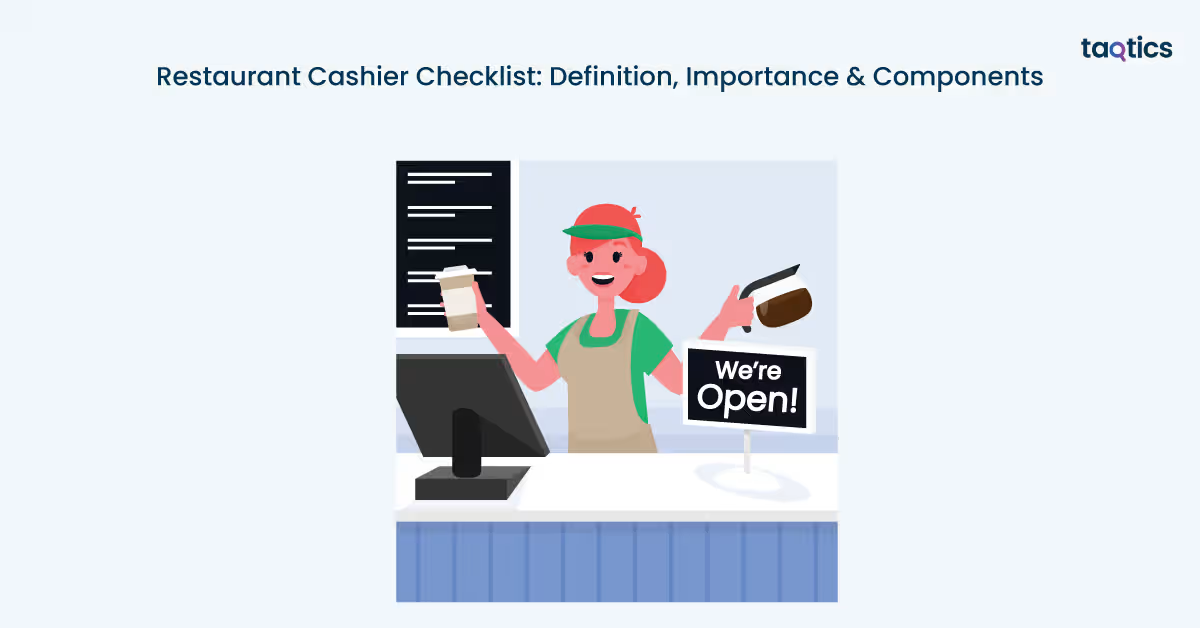
Restaurant Cashier Checklist is a structured tool that helps cashiers perform their duties accurately, efficiently, and in compliance with operational and financial procedures. Restaurant Cashier Checklist ensures that transactions are processed correctly, cash handling protocols are followed, and customer interactions meet service standards. According to the National Restaurant Association (NRA, 2023), inaccurate transactions and cash handling errors cost restaurants an average of 1–3% of annual revenue, highlighting the importance of consistent cashier practices.
A well-designed cashier checklist covers all critical areas, including cash handling, transaction verification, end-of-shift reconciliation, and customer service standards. It helps reduce errors, prevent theft, maintain accurate financial records, and improve overall operational efficiency. By implementing a structured checklist and leveraging digital tools like Taqtics, restaurants can streamline cashier operations, ensure accountability, and provide a reliable, audit-ready record of daily financial activities.
What is a Restaurant Cashier Checklist and Why is It Important?
A restaurant cashier checklist is a structured guide that outlines all essential tasks a cashier must complete during their shift to ensure accuracy, consistency, and compliance with operational procedures. It serves as a tool for accountability, helping cashiers follow standardized processes for handling cash, processing transactions, and interacting with customers. By using a checklist, restaurants can minimize errors, prevent fraud, and maintain smooth operations while connecting daily cashier activities to broader business goals.
The reasons why a cashier checklist is important:
- Consistency: Ensures every cashier follows the same procedures, maintaining uniform service and transaction standards.
- Accountability: Tracks staff actions and reduces opportunities for mistakes or mismanagement of funds.
- Compliance: Helps adhere to internal policies and regulatory requirements for cash handling and record-keeping.
- Fraud Prevention: Reduces the risk of theft or unauthorized transactions by verifying procedures and approvals.
- Speed and Accuracy: Streamlines transactions, reduces errors, and improves customer experience.
- Operational Insight: Provides management with reliable data for auditing, training, and performance monitoring.
Using a well-maintained cashier checklist connects everyday tasks to the restaurant’s larger operational goals, ensuring both financial integrity and a seamless guest experience.
What Are The Key Components of Restaurant Cashier Checklist?
The key components of a restaurant cashier checklist are designed to guide cashiers through every stage of their shift, ensuring accurate transactions, proper cash handling, and smooth reconciliation. A well-structured checklist improves accountability, reduces errors, and supports operational consistency.
Opening Procedures & Float Management
At the start of each shift, it is critical to verify that the cash drawer is prepared and secure. Proper float management ensures cash availability for change and establishes accountability from the very beginning of the day.
- Verify the Float: Count the starting cash amount (the “float”) and record it in the POS or shift log.
- Secure the Drawer: Ensure the cash drawer is locked and accessible only to authorized personnel.
- Check Supplies: Confirm there are enough coins, notes, and receipt paper for the day.
Transaction Handling & Refunds/Voids
During service, cashiers must handle transactions accurately while managing card payments, refunds, and voids efficiently. Following a clear process prevents errors, fraud, and customer disputes.
- Accuracy: Enter all orders correctly into the POS system to ensure proper billing.
- Card Machine Checks: Confirm the card machine is powered, connected, and ready; run a test transaction or “open batch” report.
- Refunds and Voids: Require manager approval, document reasons, and attach original receipts when available.
- Handling Large Bills: Use counterfeit detection tools for high-denomination bills ($50, $100) and request manager verification if needed.
End-of-Shift Closure Procedures
Closing the register accurately is as important as opening it. End-of-shift procedures ensure cash and card totals are accounted for, preparing the restaurant for secure deposit and reporting.
- Perform a “Z-Read”: Run the end-of-day or end-of-shift POS report to obtain total sales figures.
- Count the Cash: Carefully separate the initial float from the day’s earnings and count all cash.
- Prepare the Deposit: Bundle cash for deposit and calculate net sales by subtracting the float.
Reconciliation Steps
Reconciliation confirms that recorded transactions match actual cash and card totals. This step is essential for detecting discrepancies, maintaining accountability, and preventing financial losses.
- Compare Totals: Match physical cash counts with the POS-recorded totals.
- Verify Card Totals: Reconcile card payments with batch totals or settlement reports.
- Document Variances: Record any overages or shortages and report them immediately to management.
- Final Sign-Off: Cashier and manager sign the reconciliation form or shift log, confirming all steps are completed and verified.
Leveraging digital tools like Taqtics can further simplify these tasks by automating checklists, tracking transactions in real time, and providing audit-ready reports, making cashier operations faster, more accountable, and fully compliant.
How Can Software Like Taqtics Help Streamline Cashier Control Processes?
Software like Taqtics can help streamline cashier control processes by digitizing and automating key tasks, reducing errors, and improving accountability across all shifts and locations. As a comprehensive restaurant operations platform, Taqtics centralizes cashier workflows, making it easier to monitor transactions, manage cash, and maintain audit-ready records.
- Custom Checklists: Taqtics allows restaurants to create digital, step-by-step cashier checklists for opening, transaction handling, refunds/voids, and end-of-shift procedures. Staff are guided through each step, ensuring consistency and minimizing mistakes.
- Shift Closure Workflows: Automated shift closure workflows help cashiers complete end-of-shift tasks such as cash counting, Z-reads, and deposit preparation in a structured manner, reducing the risk of oversights.
- Digital Reconciliation: Cash and card totals are reconciled digitally, with all data logged automatically. This ensures accuracy, prevents miscalculations, and eliminates the need for manual paperwork.
- Activity Logging: Every action performed by a cashier—transactions, refunds, voids, or reconciliations—is timestamped and attributed to the staff member, creating full accountability and a clear audit trail.
- Central Reporting: Managers can access centralized reports across multiple shifts or locations, quickly identifying discrepancies, trends, or performance issues without manually compiling data.
By implementing Taqtics, restaurants can reduce cashier errors, improve accountability, save time on reconciliation, and maintain accurate, real-time financial records, making daily operations smoother and audit-ready.
How Often Should You Audit Cashier Performance or Cash Variances?
You should audit cashier performance or cash variances at a regular and consistent schedule to ensure accuracy, prevent fraud, and maintain operational efficiency.
- Till Balance Consistency: Verify that the opening float, transactions, and closing cash totals match daily to detect discrepancies early.
- Refund Patterns: Review refunds and voids to spot unusual trends or potential misuse of approval privileges.
- Time to Close Shifts: Monitor how long cashiers take to close their shifts; unusually fast or slow closures may indicate errors or inefficiencies.
- Using Taqtics Reports for Variance Tracking: Leverage digital reporting tools to automatically track variances, compare actual vs. expected cash, and generate insights for management.
- Spot Checks and Random Audits: Conduct unannounced checks to ensure adherence to procedures and detect errors or irregularities in real time.
By combining scheduled audits, random spot checks, and digital variance tracking with platforms like Taqtics, restaurants can maintain accurate cash handling, reduce errors, and strengthen cashier accountability across all shifts.
How do you train new staff on cash handling?
You can train new staff on cash handling through a structured combination of hands-on practice, clear guidelines, and consistent monitoring. Proper training ensures accuracy, accountability, and confidence in handling transactions, ultimately reducing errors and safeguarding restaurant revenue.
- Onboarding Modules: Introduce new hires to cash handling policies, POS systems, and standard operating procedures (SOPs) through structured training sessions.
- Demonstration & Shadowing: Have trainees shadow experienced cashiers to observe proper float verification, transaction entry, and end-of-shift reconciliation.
- Hands-On Practice: Allow new staff to perform real transactions under supervision, including handling refunds, voids, and large bills.
- Checklists as Training Tools: Use a cashier checklist to guide each step of the process, from opening procedures to shift closure, reinforcing consistency.
- Manager Reinforcement: FOH leads or supervisors should review performance, provide feedback, and ensure adherence to protocols during early shifts.
- Digital Support: Platforms like Taqtics can provide step-by-step digital checklists and automated prompts, helping trainees follow procedures accurately and build confidence.
By combining practical experience, structured guidance, and digital tools, restaurants can ensure new staff develop strong cash handling skills, maintain accountability, and reduce the risk of errors or discrepancies from day one.
About the Author