Queue Management Checklist: Definition, Importance & Components
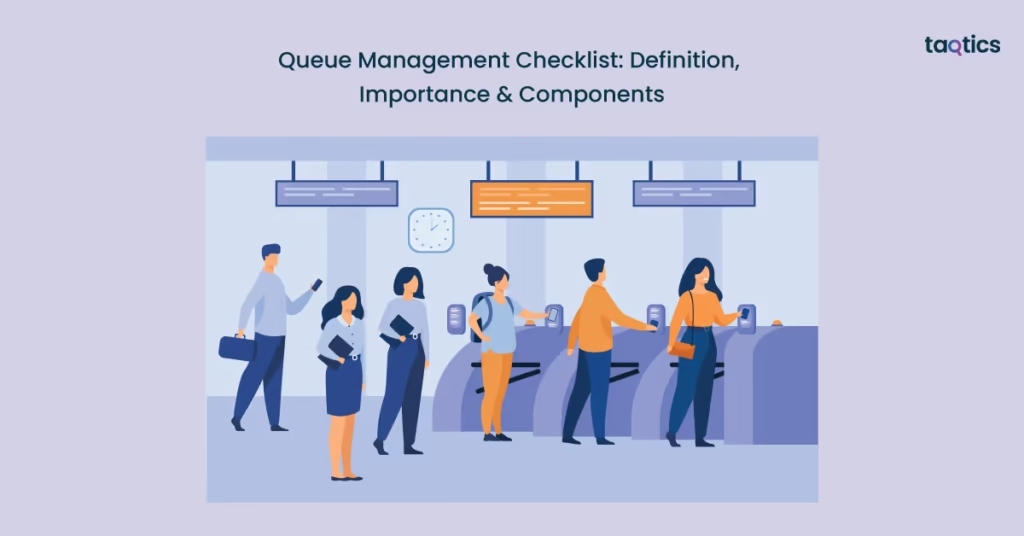
A queue management checklist is a structured tool used by businesses to monitor, evaluate, and improve how customer queues are handled in service environments such as retail stores, banks, hospitals, and restaurants. A queue management checklist helps ensure that essential elements like wait times, staff allocation, signage, and customer flow are consistently reviewed to maintain smooth operations and positive customer experiences. A 2018 report by Qmatic titled “The State of Queue Management” found that nearly 74% of customers consider waiting in line the most frustrating part of a service experience.
A queue management checklist also plays an important role in identifying operational gaps and improving service efficiency. According to the 2020 “Global Customer Experience Benchmarking Report” by NTT, around 32% of customers will stop doing business with a brand after a poor service experience, including long waiting times. Regularly reviewing queue management practices through a checklist allows businesses to track performance metrics, reduce congestion during peak hours, and implement better staffing and service strategies to improve customer satisfaction.
What Is a Queue Management Checklist and Why Is It Important in Retail?
Queue management refers to the process of organizing and controlling customer flow in service areas to reduce waiting time, improve service efficiency, and enhance the overall customer experience. In retail environments, a queue management checklist helps store teams consistently monitor factors such as queue length, wait times, checkout efficiency, staff allocation, and signage.
Queue management is important in retail because long waiting times can negatively impact customer experience, sales, and operational efficiency.
- Improves Customer Experience: Efficient queue handling reduces waiting time and creates a smoother shopping journey.
- Reduces Customer Abandonment: Long queues often cause customers to leave the store without completing their purchase.
- Increases Sales Opportunities: Faster checkout processes help retailers convert more shoppers into paying customers.
- Enhances Operational Efficiency: Proper queue monitoring helps managers allocate staff effectively during peak hours.
- Maintains Store Organization: Structured queues prevent congestion near billing counters and improve customer flow.
- Supports Better Staff Coordination: A checklist ensures employees follow consistent procedures for managing busy checkout areas.
According to the 2018 “State of Queue Management” report by Qmatic, over 70% of customers consider waiting in line the most frustrating part of the retail experience. Additionally, the National Retail Federation (2019) reported that 86% of shoppers are less likely to return to a store after a poor service experience, including long checkout queues.
What Are The Core Components Of Queue Management Checklist?
The core components of a queue management checklist include infrastructure and technology, staff operations, customer experience, and continuous performance evaluation.
Infrastructure & Technology
Efficient infrastructure and digital tools help retailers monitor queues and manage customer flow more effectively.
- Virtual Queuing: Offer mobile check-ins through QR codes, apps, or virtual waitlists for services like returns, fitting rooms, or click-and-collect orders.
- Digital Tools: Use queue management software to track real-time wait times, alert staff about congestion, and send automated updates to customers.
- Self-Service Options: Implement self-checkout kiosks or appointment scheduling systems so customers can bypass traditional lines.
- Clear Signage: Install prominent, easy-to-read signage that guides customers to queue starting points and sets clear expectations about waiting times.
Staffing & Operations
Proper staffing and operational planning ensure that queues are handled efficiently during both regular and peak store hours.
- Data-Driven Staffing: Analyze foot traffic and historical sales data to schedule adequate staff during busy periods.
- Staff Training: Train employees on efficient checkout procedures, crisis handling, and managing customer complaints about wait times.
- Queue Management Staff: Designate “queue champions” or greeters during peak hours to guide customers, answer questions, and monitor congestion.
- Specialized Stations: Separate complex transactions such as returns or special orders from quick purchases to keep main checkout lines moving.
Customer Experience & Environment
The queue environment can influence how customers perceive waiting time and overall service quality.
- Queue Merchandising: Place impulse-buy items or engaging displays along the queue path to keep customers engaged and drive additional sales.
- Communication: Proactively inform customers about expected wait times and provide updates to reduce frustration.
- Feedback Loops: Collect customer feedback and track walk-away rates to identify queue-related pain points.
- Safety & Accessibility: Ensure queuing areas maintain clear emergency access, adequate space, and accessibility for all customers.
Ongoing Review
Continuous monitoring and improvement are essential for maintaining an efficient queue management system.
- Performance Audits: Regularly review queue metrics such as wait times and transaction speeds during audits or after major sales events.
- Continuous Improvement: Use data from queue audits and operational reports to make informed adjustments to store layout, staffing strategies, or service processes.
Regularly reviewing and updating the checklist also ensures that queue management practices evolve with changing customer expectations and store traffic patterns.
What Are the Most Common Queue Management Problems in Retail?
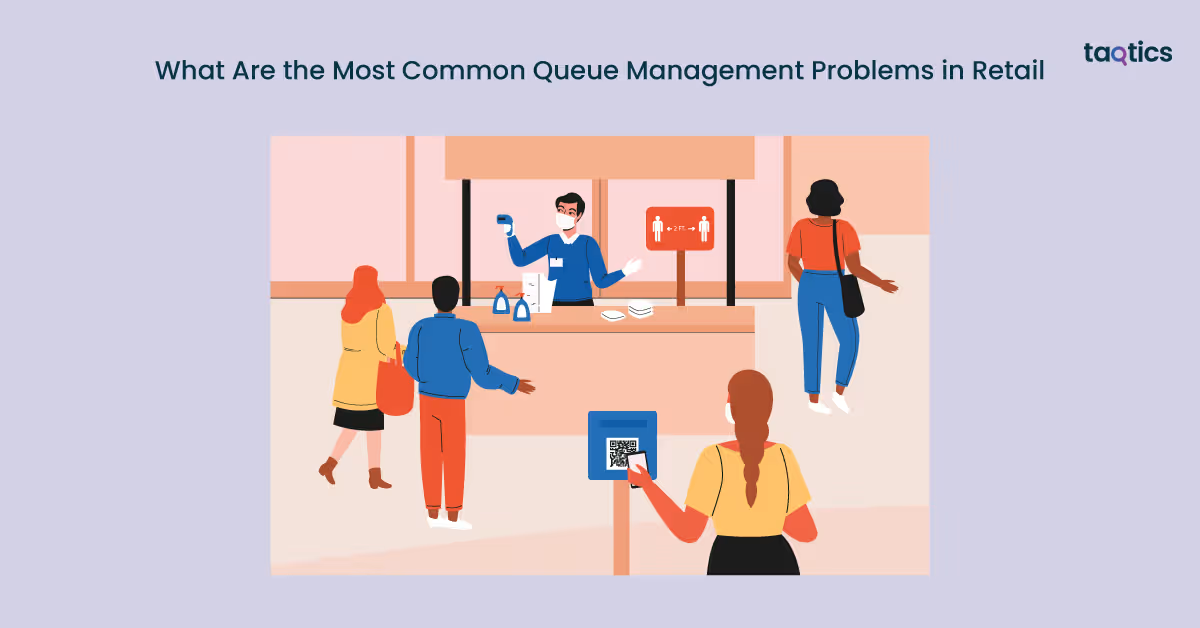
The most common queue management problems in retail arise when stores are unable to efficiently manage customer flow during busy periods. These issues can lead to longer waiting times, frustrated customers, and lost sales opportunities.
- Long Waiting Times: One of the most frequent problems in retail stores occurs when checkout lines move slowly due to limited counters or inefficient transaction handling. Long waits can cause customer dissatisfaction and increase the chances of purchase abandonment.
- Uneven Staff Allocation: Poor staff scheduling can result in too few employees handling checkout during peak periods while excess staff may be present during slower hours. This imbalance affects service efficiency and increases queue buildup.
- Peak Hour Congestion: High customer footfall during weekends, holidays, or promotional events can create overcrowded checkout areas if queue management systems are not prepared for increased traffic.
- Poor Customer Flow Design: Inefficient store layouts, unclear queue entry points, or poorly placed checkout counters can disrupt the natural movement of customers, causing confusion and congestion.
- Checkout Bottlenecks: Complex transactions such as returns, price checks, or special orders handled at regular billing counters can slow down checkout lines and increase waiting times.
- Lack of Real-Time Monitoring: Without tools to track queue length and wait times, store managers may not be able to quickly identify congestion and deploy additional staff or counters to manage the situation.
By identifying these common challenges early and implementing structured queue management practices, retailers can streamline customer flow, reduce congestion, and create a more efficient shopping experience.
How Can Technology Improve Queue Management in Retail?
Technology can significantly improve queue management in retail by helping stores monitor customer flow, predict busy periods, and respond quickly to congestion at checkout areas.
- AI-Based Traffic Prediction: Artificial intelligence can analyze historical sales data, footfall trends, and seasonal patterns to predict peak shopping hours. This allows retailers to prepare in advance by opening additional checkout counters or scheduling more staff.
- IoT Sensors for Footfall Tracking: Internet of Things (IoT) sensors installed in store entrances and aisles can track real-time foot traffic. These sensors help retailers monitor customer movement patterns and identify areas where queues are building up.
- POS Integration: Integrating queue management tools with the point-of-sale (POS) system helps track transaction speed and checkout performance. This data enables managers to identify slow billing processes and optimize checkout operations.
- Real-Time Dashboards: Digital dashboards provide store managers with instant visibility into queue length, wait times, and checkout efficiency across the store. This allows for quicker decision-making during peak periods.
- Mobile Alerts: Queue management systems can send automated alerts to store managers or staff when queues exceed a certain limit, prompting them to open additional counters or deploy more employees to manage customer flow.
By using digital tools and data-driven insights, retailers can reduce waiting times, allocate staff more efficiently, and provide a smoother shopping experience.
What Are the Best Practices to Reduce Waiting Time?
The best practices to reduce waiting time include implementing single-line systems, using express counters, enabling mobile billing, training staff for faster checkout handling, proactive floor management, and conducting continuous operational audits.
- Implement a Single-Line System: A single queue that feeds multiple checkout counters ensures fairness and prevents uneven queue distribution. It also reduces confusion and helps customers move faster through the checkout process.
- Use Express Counters: Dedicated express lanes for customers with fewer items allow smaller transactions to be completed quickly without being delayed by larger purchases.
- Enable Mobile Billing: Mobile POS or handheld billing devices allow store staff to process payments directly on the sales floor, reducing pressure on traditional checkout counters.
- Train Staff for Quick Checkout Handling: Proper employee training on POS systems, scanning techniques, and payment handling helps speed up transactions and minimize operational delays.
- Proactive Floor Management: Assign staff to monitor queue lengths and manage customer flow. Quick responses, such as opening additional counters during peak periods, can prevent long queues from forming.
- Continuous Operational Audits Using Taqtics: Regular queue management and store operations audits using Taqtics help identify bottlenecks, monitor checkout performance, and implement data-driven improvements to reduce waiting times.
These strategies help retailers streamline checkout processes, improve customer flow, and ensure efficient service during both regular and peak hours.
How Does Queue Management Impact Customer Experience and Revenue?
Queue management directly impacts customer experience and retail revenue because of their psychological perception of waiting. Research such as David Maister’s “The Psychology of Waiting Lines” (1985) explains that uncertain or unexplained waits feel longer to customers, making queue transparency and communication essential.
Let us see how the queue management impacts impulse buying, brand loyalty & repeat visits, and conversion rate & revenue.
- Impulse Buying: Efficient queue movement keeps customers engaged in the checkout process. When queues move smoothly and include well-placed products along the path, retailers can encourage last-minute impulse purchases, increasing average transaction value.
- Brand Loyalty and Repeat Visits: Long and poorly managed queues create negative service experiences that can damage brand perception. Customer experience research consistently highlights that checkout efficiency strongly influences whether shoppers choose to return to the same store.
- Conversion Rate & Revenue: Queue delays often cause cart abandonment in physical retail, especially during peak shopping hours. When customers perceive the wait to be too long, they may leave without completing their purchase, directly affecting store conversion rates.
Effective queue management improves customer satisfaction, sales opportunities, and brand loyalty by ensuring that shoppers experience faster, more predictable, and more organized service at checkout.
How Do You Choose the Right Queue Management Software?
You can choose the right queue management software by evaluating solutions that can handle operational complexity while improving customer flow and service efficiency. Retailers should look for tools that support real-time monitoring, seamless integrations, and scalability as the business grows.
- Scalability: The software should be able to support increasing customer traffic and store expansion without affecting performance. This is especially important for retailers planning to grow or manage multiple outlets.
- Real-Time Monitoring: Effective queue management software should provide real-time visibility into queue length, wait times, and checkout activity. This allows store managers to quickly respond to congestion by opening additional counters or reallocating staff.
- POS Integration: Integration with point-of-sale systems helps track transaction speed, checkout performance, and billing efficiency. This data enables retailers to identify bottlenecks and improve checkout processes.
- Multi-Location Support: For retail chains, the software should provide centralized visibility across multiple stores. This helps regional and corporate teams monitor queue performance and maintain consistent service standards.
- Reporting and Analytics: Detailed reports and dashboards allow retailers to analyze queue performance, customer wait times, and peak-hour traffic patterns. These insights help managers make data-driven operational decisions.
- Ease of Implementation: The software should be easy to deploy and use, allowing store teams to adopt it quickly without complex training or long setup times.
A solution like Taqtics is designed specifically for retail environments, making it retail-focused and operations-driven. It helps store teams manage daily operational tasks, monitor queue conditions, and maintain service standards across outlets. With features suited for multi-store chains and day-to-day store execution, Taqtics provides a practical platform for improving queue management while ensuring smooth retail operations.
Is Virtual Queuing Suitable For Small Retail Stores?
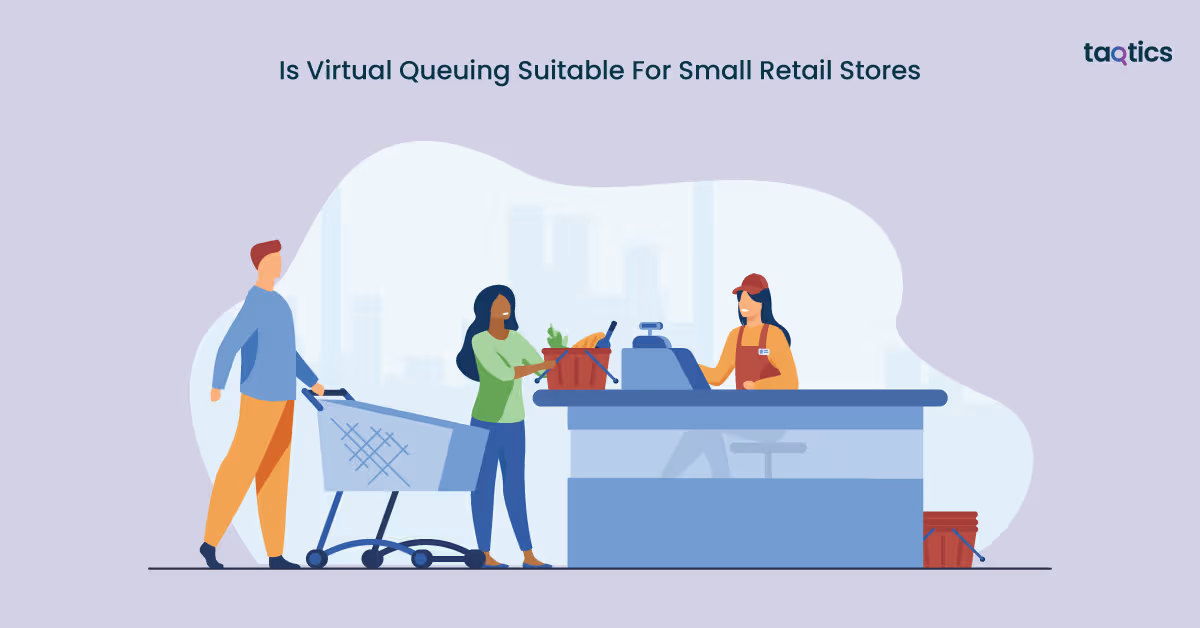
Yes, virtual queuing can be suitable for small retail stores, especially those that experience occasional crowding or provide service-based transactions.
- Reduces physical lines by allowing customers to join a digital queue and continue browsing instead of waiting in one place.
- Improves customer experience as customers receive notifications when their turn approaches.
- Encourages additional shopping because customers can explore the store while waiting.
- Requires relatively low investment, as simple systems using QR codes, tablets, or SMS alerts can be implemented easily.
- Helps staff focus on serving customers rather than managing physical queues.
However, very small stores with consistently low foot traffic may not always require virtual queuing systems.
How Do You Calculate Average Queue Time?
Average queue time is calculated by measuring how long each customer waits in line and then finding the average of those waiting times.
Average Queue Time = Total Waiting Time of All Customers ÷ Total Number of Customers
The steps involved in the calculation are listed below.
- Record the waiting time for each customer before they are served.
- Add up the total waiting time of all customers.
- Divide the total waiting time by the total number of customers served.
For example, if 5 customers wait 2, 3, 4, 3, and 5 minutes, the total waiting time is 17 minutes.
Then, Average Queue Time = 17 ÷ 5 = 3.4 minutes
Retailers often calculate this using POS data, queue management software, or store audits to monitor checkout efficiency and identify peak-hour delays.
About the Author