Retail Store Visits: Definition, Purpose And Benefits

Retail store visits remain a critical touchpoint for brands aiming to engage customers directly and influence purchasing decisions. Retail store visits refer to the act of customers physically entering brick-and-mortar locations to explore, evaluate, and purchase products. Despite the rapid rise of e-commerce, over 85% of consumers still prefer shopping in physical stores due to the tactile experience and immediate product availability.
Retail store visits refer to the act of customers physically entering brick-and-mortar locations to explore, evaluate, and purchase products. The purpose of these visits extends beyond mere transactions. Retailers use them to gather real-time customer insights, assess store performance, and optimize the shopping environment.
For example, companies like Walmart and Target conduct regular store visits to monitor merchandising, staff interactions, and inventory levels, ensuring they meet consumer expectations. Benefits of retail store visits include improved customer engagement, enhanced brand loyalty, and increased sales. Studies show that in-store shoppers tend to spend up to 30% more per visit compared to online shoppers. Ultimately, retail store visits play an indispensable role in bridging the gap between brands and consumers in today’s omnichannel marketplace.
What is a Retail Store Visit?
A retail store visit is the act of a customer physically entering a brick-and-mortar store to browse, evaluate, or purchase products. A retail store visit provides shoppers with a sensory experience that online shopping cannot fully replicate, such as touching products, trying on items, or receiving immediate assistance from staff.
For example, according to a 2023 report by the National Retail Federation, approximately 70% of consumers visit physical stores at least once a week, highlighting the ongoing importance of in-person shopping. During these visits, retailers can observe customer behavior firsthand, gather valuable feedback, and adjust their merchandising strategies accordingly. This direct interaction often leads to higher conversion rates. Thus, retail store visits remain a vital component in driving sales and enhancing the overall customer experience.
What Is The Purpose Of Retail Store Visits
The purpose of retail store visits ranges from maintaining operational excellence to delivering a superior customer experience.
Quality Assurance and Standards Compliance
These visits allow district or regional managers to systematically evaluate key operational areas such as cleanliness, organization, product presentation, and customer service. By conducting on-site assessments, companies ensure each store reflects the brand’s values and delivers a consistent customer experience. This consistency is vital, as research shows 63% of shoppers prioritize store cleanliness and organization when deciding whether to return, and 73% of consumers say customer service heavily influences their purchasing decisions. Store visits help identify gaps in compliance, ensure proper implementation of corporate guidelines, and support staff with actionable feedback.
Moreover, these evaluations directly influence business performance. Proper product presentation, such as adherence to planograms and promotional displays, can increase sales by up to 20%, according to Nielsen. Regular audits conducted during store visits also promote accountability and can boost operational consistency by 10–15%, as found in McKinsey insights. When stores meet established standards, they enhance customer satisfaction, reduce operational errors, and reinforce brand integrity. In short, retail store visits are essential tools for driving excellence and aligning every store with the broader goals of the company.
Employee Performance
Store managers or corporate representatives assess how staff interact with customers, their product knowledge, and their adherence to operational procedures. These visits provide a valuable opportunity to identify strengths and areas for improvement that may not be visible through sales reports alone. For example, positive employee interactions are crucial to customer satisfaction; 73% of consumers say friendly employees are what makes them fall in love with a brand, according to PwC. Furthermore, consistent procedure adherence helps ensure efficiency and reduces errors that can negatively impact the customer experience.
Evaluating employee performance during store visits also directly correlates with business outcomes. Studies show that highly engaged employees result in a 21% increase in profitability (Gallup). Additionally, companies with intense training and performance monitoring programs see 24% higher profit margins than those without. By identifying gaps in service delivery or product knowledge during visits, management can offer targeted coaching or training. This proactive approach not only enhances individual employee performance but also strengthens team dynamics and overall store efficiency, contributing to a more positive shopping experience and improved store metrics.
Operational Efficiency
Another important purpose of retail store visits is to assess operational efficiency and know how effectively a store manages its day-to-day functions, including stock management, inventory control, and the use of technology. During these visits, regional managers or auditors evaluate whether stores are following best practices in replenishment, minimizing stockouts or overstock situations, and utilizing tools like POS systems or inventory tracking software correctly. Operational efficiency has a direct impact on both customer satisfaction and profitability. According to a study by IHL Group, retailers lose over $1 trillion annually due to out-of-stock items, while overstocks account for an additional $471.9 billion in lost revenue globally.
By identifying inefficiencies or bottlenecks during store visits, companies can implement corrective actions that streamline operations and reduce costs. For example, retail businesses that effectively manage inventory can achieve up to a 30% reduction in excess stock and a 20% improvement in order accuracy, according to McKinsey. Additionally, stores that leverage integrated technologies and adhere to operational protocols see significantly faster checkout times and better customer experiences. Retail visits thus play a critical role in ensuring stores are not just functional but optimized, helping the business operate smoothly, meet customer expectations, and maintain a competitive edge.
Customer Experience
A central purpose of retail store visits is to evaluate the customer experience, gather insights into customer satisfaction, identify common pain points, and understand evolving preferences. During these visits, managers observe customer interactions, review feedback mechanisms, and speak with frontline staff to understand what customers are saying about the brand. This on-the-ground intelligence is vital because 80% of consumers say the experience a company provides is as necessary as its products or services (Salesforce). In-person visits help validate whether company policies are enhancing or hindering the customer journey and offer the opportunity to make quick adjustments to improve overall satisfaction.
Moreover, addressing customer pain points identified during store visits can significantly impact loyalty and sales. According to PwC, 32% of customers will stop doing business with a brand after just one bad experience, even if they previously liked it. By actively identifying and resolving issues such as long wait times, unhelpful staff, or poor layout design, retail teams can enhance satisfaction and retention. Store visits also allow brands to spot regional or demographic-specific trends in customer preferences, enabling more tailored marketing and merchandising strategies. In this way, retail store visits go beyond compliance checks, they serve as vital touchpoints for refining the customer experience and strengthening brand loyalty.
Merchandising and Promotions
During these visits, managers evaluate how well in-store displays, signage, and promotional setups align with corporate guidelines and whether they are attracting customer attention and driving sales. Per the research by Nielsen shows that compliance with visual merchandising plans can increase sales by up to 20%. Store visits help ensure promotional materials are correctly placed, pricing is accurate, and inventory for featured items is well-stocked. They also offer real-time insight into what’s working at the store level and what isn’t, allowing companies to adapt quickly.
Additionally, these visits provide an opportunity to measure the return on investment (ROI) of marketing strategies and promotional campaigns. According to a study by POPAI (Point of Purchase Advertising International), 70% of purchase decisions are made in-store, highlighting the importance of effective displays and promotions. Analyzing foot traffic patterns, sales lift during campaigns, and staff engagement with promotions and store visits helps optimize future merchandising efforts. This hands-on approach ensures that marketing strategies are not only visually compelling but also strategically effective in influencing shopper behavior and boosting sales performance.
Safety and Security
Retail store visits are essential for monitoring safety and security, ensuring that both employees and customers operate in a secure and hazard-free environment. During these visits, managers assess compliance with safety protocols such as proper signage, emergency exits, equipment handling, and cleanliness that minimizes slip or trip risks. Workplace safety is a critical operational focus; retail ranks among the top five industries for non-fatal workplace injuries, according to the U.S. Bureau of Labor Statistics. Identifying and addressing safety risks during store visits helps prevent accidents, reduce liability, and foster a culture of care and accountability.

Security is another key component evaluated during store visits, including theft prevention measures, cash handling procedures, surveillance systems, and employee awareness. Retail shrinkage (loss due to theft, fraud, or administrative errors) cost U.S. retailers $112.1 billion in 2022, according to the National Retail Federation. By assessing the effectiveness of security protocols and employee adherence, companies can significantly reduce losses and improve overall operational integrity. In this way, store visits are more than routine checks; they are critical tools in protecting the well-being of employees, ensuring customer trust, and safeguarding company assets.
Retail store visits are instrumental in upholding brand standards, enhancing employee performance, optimizing operations, improving customer experience, refining merchandising strategies, and ensuring safety and security. These visits provide actionable insights that drive continuous improvement and business success.
What Are The Benefits of Retail Store Visits?
The benefits of retail store visits offer hands-on insight into daily operations, staff performance, and customer experience. They allow company leaders to ensure brand standards are upheld while identifying opportunities for improvement across locations.
Improved Customer Experience
By observing customer interactions firsthand and collecting feedback from both shoppers and staff, managers can quickly identify pain points, such as long wait times, poor service, or confusing store layouts, and implement targeted improvements. According to Salesforce, 80% of customers say the experience a company provides is as important as its products or services, highlighting the direct impact of experience on consumer behavior. Retail visits provide the opportunity to make real-time changes that enhance the shopping environment and overall satisfaction.
Making these improvements doesn’t just please customers, it drives business results. PwC reports that 86% of buyers are willing to pay more for a better customer experience, while 32% will stop doing business with a brand after just one bad encounter. By acting on insights gathered during store visits, companies can build stronger customer relationships, improve service delivery, and foster long-term loyalty. In this way, enhancing the customer experience through retail visits leads to higher retention rates and increased sales performance.
Increased Employee Engagement
These visits give managers the opportunity to provide direct feedback, offer on-the-spot training, and recognize employee achievements, all of which contribute to a more motivated and productive workforce. Engaged employees are more likely to feel valued and aligned with company goals. According to Gallup, highly engaged teams show 21% greater profitability and 17% higher productivity compared to disengaged ones. Store visits create a forum for meaningful communication between leadership and staff, fostering a sense of inclusion and accountability.
Moreover, when employees receive consistent support and development during store visits, they’re more likely to take initiative and deliver better customer service. A study by Harvard Business Review found that companies with high employee engagement also experience higher customer satisfaction scores and increased loyalty. These visits can also uncover training needs or morale issues that might not surface through digital communication alone. By actively investing in their teams through in-person support, companies can boost employee retention and overall store performance, making engagement a critical driver of retail success.
Enhanced Operational Efficiency
Enhanced Operational Efficiency is a major benefit of retail store visits, as they allow managers to identify and correct inefficiencies in real time. By assessing areas such as stock management, inventory control, staff scheduling, and technology usage, businesses can streamline daily operations and eliminate costly errors. According to McKinsey, companies that optimize their retail operations through consistent evaluation can achieve up to a 30% reduction in excess inventory and a 20% improvement in order accuracy. These improvements lead to faster service, better resource allocation, and reduced operational waste.
In addition to cost savings, improving operational efficiency directly supports profitability and customer satisfaction. Research from Deloitte shows that efficient operations can boost profit margins by as much as 25% while also enabling a more responsive and flexible store environment. Retail store visits give leadership a clear, in-person view of what’s working and what needs adjustment, allowing them to implement best practices and maintain consistency across locations. Ultimately, this hands-on approach ensures smoother store operations that drive both financial and customer-facing performance.
Better Sales Performance
Better Sales Performance is a direct benefit of regular retail store visits, as they ensure that merchandising, promotions, and customer service strategies are effectively executed at the store level. By assessing in-store displays, promotional compliance, and how well staff engage with customers, managers can identify what drives sales and make improvements where needed. According to Nielsen, proper merchandising execution can boost sales by up to 20%, while POPAI reports that 70% of purchase decisions are made in-store, highlighting the importance of effective visual marketing.
Additionally, strong customer service, often observed and reinforced during store visits, has a measurable impact on revenue. PwC found that 73% of consumers consider customer experience a key factor in their buying decisions, and 43% would pay more for greater convenience. When retail visits help align store teams with sales goals and customer expectations, performance improves across the board. This leads not only to increased revenue but also to stronger customer loyalty and more consistent financial results across locations.
Brand Consistency
Brand Consistency is a crucial benefit of retail store visits, as they help ensure that every location reflects the company’s image, values, and quality standards. During these visits, managers assess elements such as store layout, signage, staff appearance, and customer interactions to confirm alignment with brand guidelines. Consistency is key to building trust, according to Lucidpress, consistent brand presentation across all platforms increases revenue by up to 23%. Retail visits help reinforce visual identity and service standards, ensuring that customers have a familiar and reliable experience no matter which location they visit.
Maintaining brand consistency also supports customer loyalty and market differentiation. A study by Zendesk found that 87% of customers think brands need to put more effort into providing a consistent experience. In-person evaluations allow companies to quickly identify and correct deviations from brand expectations, whether it’s outdated promotional materials or inconsistent service quality. By doing so, businesses not only protect their brand reputation but also strengthen customer confidence and loyalty, contributing to long-term success in a competitive retail landscape.
Strategic Insights
Strategic Insights gained from retail store visits are invaluable for shaping future business decisions. These visits allow managers and executives to observe customer behavior firsthand, identify emerging market trends, and monitor competitor activities within the local retail environment. By being on-site, decision-makers can gather real-time, location-specific data that is often missed in centralized reports. According to a survey by Harvard Business Review, companies that integrate frontline insights into their strategy are 3.5 times more likely to outperform their peers. Store visits, therefore, serve as a practical tool for connecting corporate strategy with day-to-day customer experiences.
In addition to customer insights, store visits provide critical information on regional preferences, seasonal demand shifts, and competitor pricing or promotional tactics. This ground-level intelligence can guide more accurate forecasting, localized marketing campaigns, and tailored product assortments. For example, Deloitte found that retailers who leverage real-time, store-level data can improve decision-making speed by up to 30%. By capturing and acting on these insights, businesses can stay agile, make smarter investments, and maintain a competitive edge in the market.
Effective Use of Technology
Effective Use of Technology is a major benefit of modern retail store visits, particularly through the use of store visit apps and digital audit tools. These technologies streamline the visit process by providing structured checklists, real-time data capture, photo documentation, and task tracking. This not only improves the accuracy and efficiency of store evaluations but also allows for immediate action on identified issues. According to RIS News, retailers using digital store audit tools report a 25–30% improvement in operational execution compared to those relying on manual processes.
Moreover, real-time insights from these tools enable faster, data-driven decision-making and improved accountability. Managers can monitor compliance, track performance trends, and assign follow-up tasks directly through the app, reducing delays and communication gaps. A study by Zebra Technologies found that over 70% of retailers plan to increase their investment in store technology to improve efficiency and customer satisfaction. By incorporating these tools into store visits, retailers not only enhance productivity but also gain a scalable way to maintain high standards across all locations.
Ultimately, regular store visits help drive consistency, boost performance, and enhance the overall shopping experience. They serve as a strategic tool for aligning frontline operations with broader business goals, ensuring long-term success in a competitive retail environment.
How Often Should Retail Stores Be Visited?
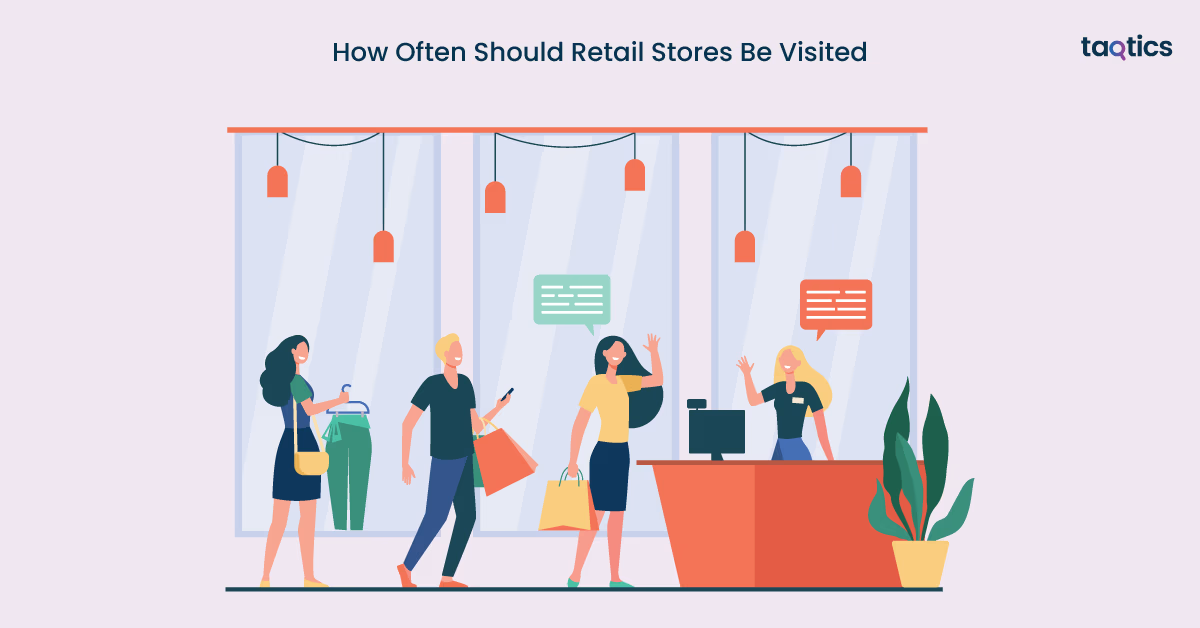
The retail stores should be visited frequently based on each store’s performance metrics, key performance indicators (KPIs), and specific location context. High-performing stores with a strong track record of compliance may require fewer visits, perhaps monthly or quarterly, while underperforming locations or those with recurring issues should be visited more frequently, such as biweekly or even weekly. This targeted approach ensures that resources are allocated efficiently and attention is focused where it’s most needed.
Data plays a key role in setting visit frequency. Stores showing declines in sales, poor customer feedback, operational inconsistencies, or inventory management issues should be prioritized. According to McKinsey, retailers that adopt a data-driven approach to store management see up to a 15% increase in overall performance. Regular visits to struggling stores allow for timely interventions, coaching, and accountability, which can significantly improve outcomes. In contrast, lower-risk stores can maintain momentum with less frequent, but still structured, check-ins to ensure continued alignment with brand standards.
How Should You Prepare for a Retail Store Visit?
You should prepare for a retail store visit by setting clear goals for the visit, whether it’s assessing visual merchandising, improving customer service, auditing compliance, or coaching staff. Define key metrics you’ll evaluate, such as sales performance, inventory accuracy, or customer satisfaction scores, and determine the type of visit (e.g., routine check, training support, or issue resolution). This ensures the visit has structure and aligns with broader business objectives.
Next, gather historical data and notes on the store’s performance, previous visit reports, and any flagged issues. Reviewing this information helps identify patterns and focus areas. Then, customize your retail store visit checklist based on the store’s specific needs and challenges rather than using a one-size-fits-all approach. Tailoring your approach helps uncover more meaningful insights and shows store teams that visits are supportive, not punitive. Well-prepared visits lead to more productive conversations, better problem-solving, and clearer action plans that drive continuous improvement.
What Should You Look for During a Retail Store Visit?
During a retail store visit, you should for conducting a comprehensive assessment of various store elements that impact both customer experience and operational performance. Start by evaluating the store entrance and exterior, including signage, façade, and window displays, to ensure they are inviting and on-brand. Next, assess the ambiance and servicescape—check for cleanliness, appropriate lighting, background music, and scent—which all contribute to the overall shopping atmosphere.
Inside the store, focus on visual merchandising by verifying that planograms are followed, displays are attractive, and products are clearly visible. Review product placement and inventory, especially the visibility and stock levels of best-sellers to avoid out-of-stock situations. Observe staff performance by noting how well employees engage with customers and demonstrate product knowledge. At the checkout area, including self-checkout stations, evaluate speed, efficiency, and clear signage to ensure a smooth transaction process. Finally, check for compliance and safety by looking at hygiene standards, adherence to regulations, and potential risk factors that could affect employees or customers. Covering these areas helps provide a full picture of store health and customer satisfaction.
What Questions Should You Ask During a Retail Store Visit?
The questions you should ask during a retail store visit must uncover both strengths and areas for improvement.
- Start by asking, “What’s the customer’s first impression?”—this helps gauge how welcoming and appealing the store feels right from the entrance.
- Follow with questions like, “Is signage and navigation intuitive?” to understand if customers can easily find what they’re looking for without confusion.
- Next, assess the team by asking, “Are staff proactive and knowledgeable?” to evaluate employee engagement and product expertise.
- Inquire about merchandising by asking, “Are best-sellers placed strategically?” to ensure top products get maximum visibility.
- Check operational efficiency with, “How smooth is the checkout process?” to identify any bottlenecks or delays.
- Also, ask, “Which parts of the store feel inviting or frustrating?” to pinpoint specific areas affecting customer experience.
- Finally, be sure to understand the needs of the store team by asking, “What support does store staff need?” This can reveal training gaps or resource shortages that, when addressed, improve overall performance.
By understanding the customer perspective, staff needs, and operational strengths or challenges, businesses can create a more inviting, efficient, and profitable store environment.
How Do You Conduct a Retail Store Visit Effectively?
To conduct a retail store visit effectively, start by being fully present, actively listen to both staff and customers, and ask open-ended questions that encourage detailed feedback. Approach the visit with a coaching mindset, engaging employees in constructive conversations that motivate and support their development rather than just evaluating performance.
Leverage digital tools and apps to streamline the process by using structured checklists, capturing photos for documentation, and recording observations in real time. Finally, balance quantitative data collection with qualitative insights by combining hard metrics with the customer and staff perspectives. This comprehensive approach ensures visits are productive, actionable, and build stronger relationships within the store team.
What Should You Do After Completing a Retail Store Visit?
After completing a retail store visit, you should take time to reflect by thoroughly analyzing your observations and insights to understand key strengths and areas needing improvement. Next, react with clear action steps, address any issues identified, provide constructive feedback, and share praise where the team is excelling to motivate continued success.
Continue to support ongoing training and accountability by following up with store staff and ensuring they have the resources needed to improve. Finally, track relevant KPIs over time and maintain visibility on progress to measure the impact of your interventions and drive continuous improvement across all locations.
What Are the Most Common Challenges in Retail Store Visits?
The most common challenges in retail store visits are related to the maintenance high standards and driving performance, but they often come with a set of common challenges. Understanding these obstacles helps companies prepare better and make their visits more productive and impactful.
- Inconsistent Visit Frequency: Visits may be irregular or poorly scheduled, leading to missed issues or delayed interventions.
- Lack of Clear Objectives: Without defined goals or focus areas, visits can become unfocused and less effective.
- Insufficient Staff Engagement: Employees may feel monitored rather than supported, causing resistance or lack of openness.
- Inadequate Data Collection: Relying on manual processes or incomplete checklists can result in inaccurate or missing information.
- Poor Follow-Up: Failure to act on observations or provide feedback reduces the impact of store visits.
- Limited Time: Short visits may not allow enough time to fully assess all critical areas of the store.
- Variability Across Locations: Differences in store size, layout, or customer base can make standardized evaluations challenging.
- Technology Gaps: Lack of or underutilization of digital tools can hinder efficient reporting and communication.
Continue to support ongoing training and accountability by following up with store staff and ensuring they have the resources needed to improve. Finally, track relevant KPIs over time and maintain visibility on progress to measure the impact of your interventions and drive continuous improvement across all locations.
What Tools and Technologies Can Help Streamline Store Visits?
The tools and technologies can help streamline store visits by enhancing visibility, accountability, and efficiency. One such platform is Taqtics, a comprehensive retail operations management software designed to digitize and streamline store visit processes.
- Digital SOP Checklists: Taqtics allows for the creation and management of digital Standard Operating Procedure (SOP) checklists, ensuring that all tasks are completed accurately and on time.
- Geo-Fenced Task Management: Tasks are geo-fenced, ensuring that they are completed within the designated store location, effectively addressing compliance concerns.
- Photo-Validated Reporting: Store teams can upload time-stamped photos of displays and tasks, providing real-time visibility and ensuring compliance with brand standards.
- Automated Corrective Actions: Taqtics automatically assigns corrective actions to relevant teams, minimizing oversight and delays in resolving issues across departments and stores.
- Real-Time Dashboards: Managers can access real-time dashboards to track task completion, identify gaps, and implement fixes instantly.
- AI-Powered Visual Merchandising (VM) Execution: Taqtics uses AI to scan in-store visual merchandise execution and flag image submissions that do not comply with the guidelines, ensuring consistent brand presentation across all stores.
- Issue Tracking and Escalation: In-store issues can be reported instantly, assigned to concerned departments for swift resolutions, and tracked through to closure without delays or manual chasing.
- Training and Knowledge Center: Taqtics provides a centralized hub for training content and resources, allowing teams to stay informed, aligned, and ready to perform.
By integrating Taqtics into your retail operations, you can ensure consistent execution of store visits, improve compliance, and enhance overall store performance. The platform’s comprehensive features support a structured approach to store management, leading to more efficient and effective store visits.
What metrics show a successful retail store visit?
The key metrics that show a successful retail store visit basically measure improvements in store operations, customer experience, and overall performance:
- Compliance Scores: The percentage of completed tasks and adherence to company standards (cleanliness, merchandising, safety) indicates how well the store follows guidelines. High compliance reflects a successful visit.
- Sales Performance: Changes in sales figures, such as increases in revenue, average transaction value, or units sold, after a visit suggest that operational or merchandising improvements are effective.
- Customer Satisfaction: Metrics like Net Promoter Score (NPS), customer feedback, or mystery shopper results show whether the visit helped enhance the shopping experience.
- Employee Engagement: Observations of staff behavior, training completion rates, and employee feedback demonstrate whether visits are motivating and supporting employees.
- Issue Resolution Rate: The speed and completeness with which identified problems are addressed after the visit indicate how actionable and impactful the visit was.
- Inventory Accuracy: Improvements in stock levels and reduction in out-of-stock incidents show better inventory management as a result of store visit interventions.
Tracking these metrics before and after visits provides clear evidence of progress, helping retailers measure the effectiveness of their store visit programs.
How to coach store staff during Retail Store visits?
To coach store staff during retail visits, businesses must foster a supportive environment that encourages learning, improvement, and motivation. Start by building rapport—approach conversations with a positive, open mindset to create trust and reduce defensiveness. Use active listening to understand staff challenges and perspectives before offering feedback.
Provide constructive, specific feedback that highlights both strengths and areas for improvement. Instead of just pointing out problems, focus on solutions and actionable steps. Use real examples from the visit to make your points clear and relatable. Encourage two-way dialogue by asking open-ended questions that help staff reflect on their performance and identify their own development needs.
Offer practical training or coaching on the spot, whether it’s demonstrating a better customer service approach, explaining product details, or improving merchandising techniques. Reinforce positive behaviors by acknowledging successes and celebrating progress, which boosts morale and engagement. Finally, set clear expectations and follow-up plans, so staff know how to continue improving and feel supported over time. This approach transforms store visits into valuable growth opportunities rather than just audits.
How to make a Retail store visit report?
To make a retail store visit report, systematic documenting of your observations, insights, and action plans is important to provide a clear overview of the store’s performance and areas for improvement.
- Prepare Before the Visit: Gather historical data, previous visit reports, and any relevant KPIs. Define the purpose of the visit and customize your checklist based on store-specific goals.
- Structure the Report: Organize the report into clear sections such as Store Appearance, Merchandising, Inventory, Staff Performance, Customer Experience, Compliance & Safety, and Recommendations.
- Document Observations: Use objective, specific descriptions supported by data or photos when possible. Note what is working well and what needs attention, avoiding vague or subjective language.
- Include Quantitative Metrics: Incorporate relevant KPIs like sales figures, compliance scores, customer feedback ratings, and stock levels to support your findings.
- Highlight Key Issues and Best Practices: Clearly identify any problems encountered and suggest actionable solutions. Also, acknowledge areas of excellence or improvements since the last visit.
- Action Plan & Follow-Up: Outline next steps, assign responsibilities, and set deadlines for resolving issues. Include plans for additional training, support, or subsequent visits.
- Summarize and Conclude: Provide a brief summary emphasizing overall store health, progress, and priorities moving forward.
- Distribute the Report: Share the report promptly with store managers, regional leaders, and relevant teams to ensure transparency and accountability.
A well-prepared store visit report serves as a valuable tool to track performance over time, communicate expectations clearly, and drive continuous improvement.
About the Author