
Environmental Controls
- Waste handling and segregation
- Environmental permits and records
- Emissions and discharge controls
- Chemical and hazardous-material management
- Spill prevention and response
EHS Audit Software
Review environmental, health, and safety requirements through one structured audit process. Examine records, inspect workplaces, document hazards, capture objective evidence, assign corrective actions, and verify closure across every site.
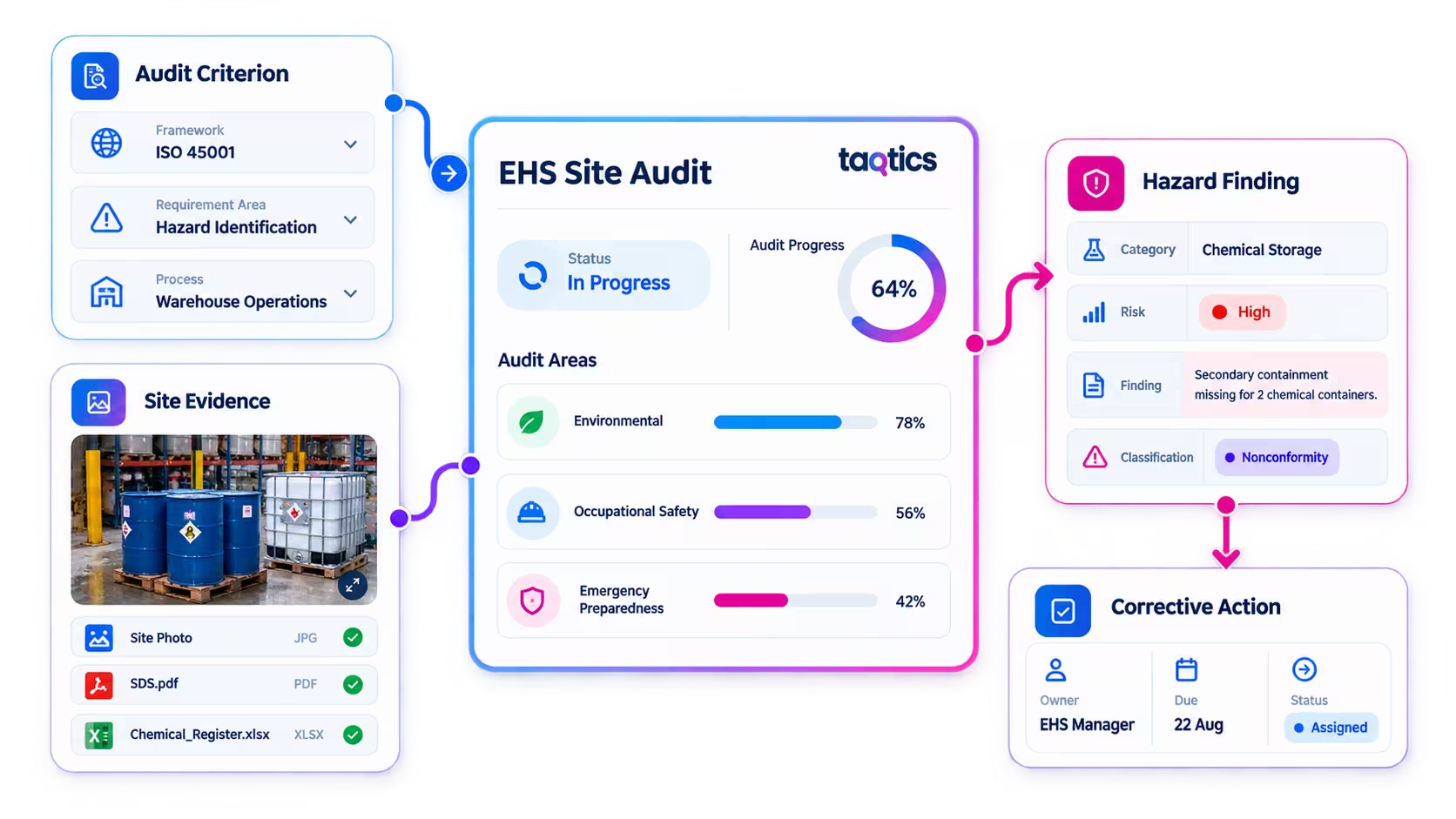
What an EHS Audit Evaluates
EHS audits combine documentary review with physical workplace verification. The applicable audit criteria may include management system standards, legal requirements, permits, internal policies, facility procedures, and industry-specific controls.
EHS Audit Workflow
Keep audit criteria, field evidence, risk findings, corrective work, and verification connected throughout the audit lifecycle.
Standards, regulations, permits, and procedures.
Records, SDSs, permits, incident logs, and monitoring data.
Verify how EHS controls work in the actual environment.
Documents, photos, videos, interviews, and observations.
Record nonconformity and risk using your audit methodology.
Assign immediate correction and RCA where required.
Review evidence and verify corrective-action effectiveness.
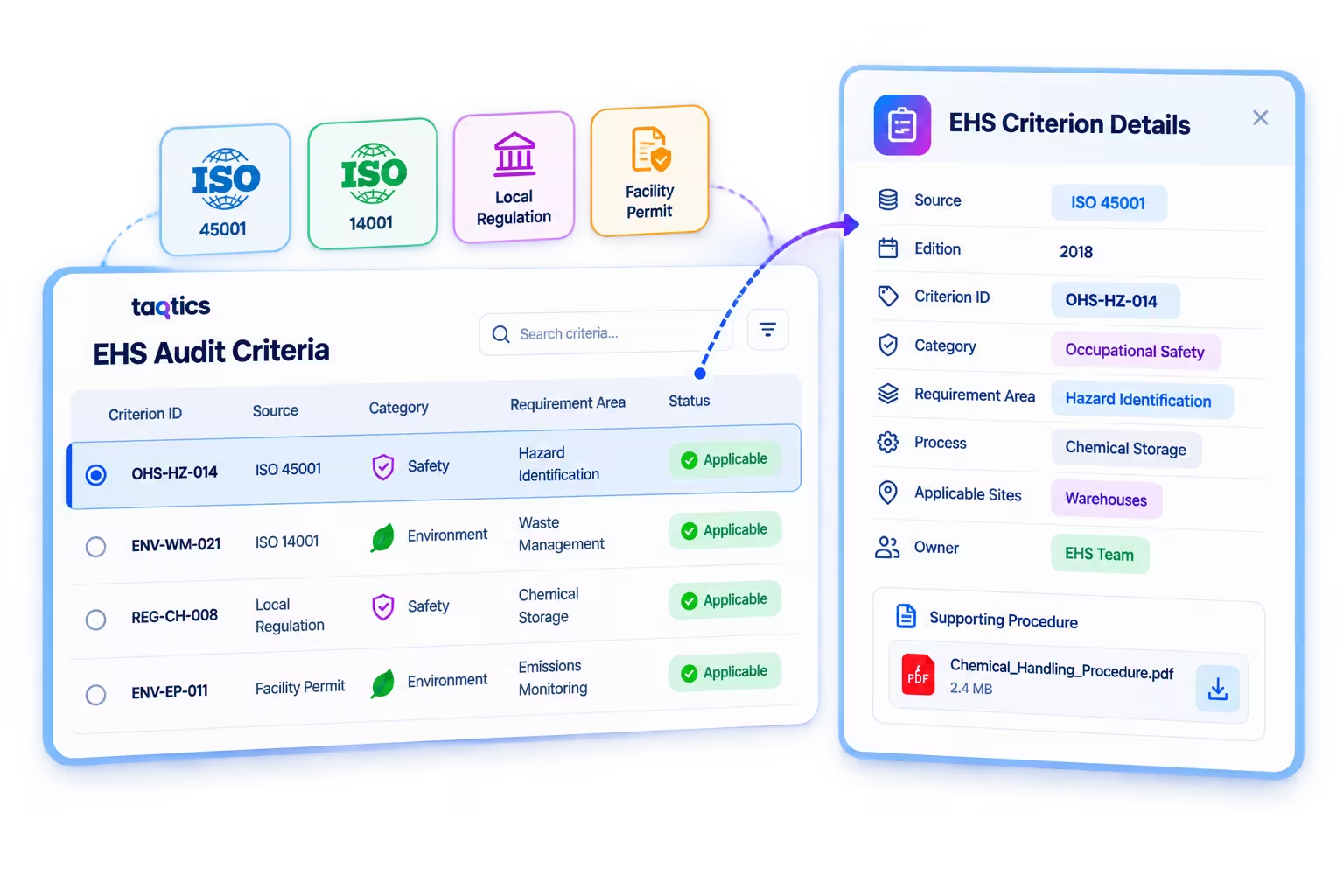
EHS Audit Criteria Register
EHS audit criteria can come from different sources. Taqtics can maintain standards, regulatory obligations, facility permits, and internal EHS controls as individually structured audit records.
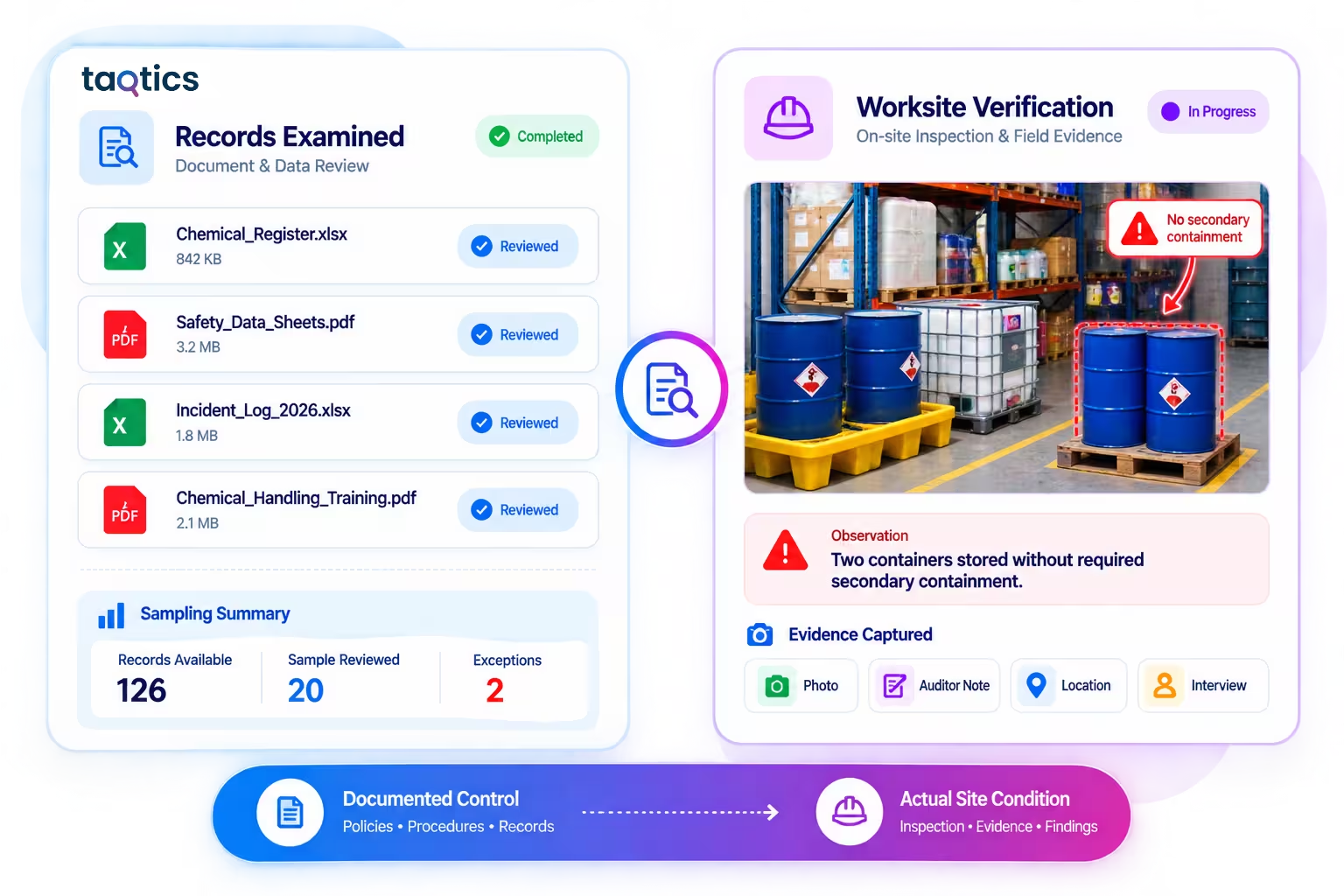
Document & Worksite Verification
EHS audits often require both documentary evidence and physical inspection. Taqtics lets auditors retain the records they examined and capture evidence from the workplace in the same audit.
Permits, SDSs, training records, incident logs, exposure monitoring, maintenance records, and previous inspections.
Photos, video, workplace observations, employee interviews, site conditions, and auditor notes.
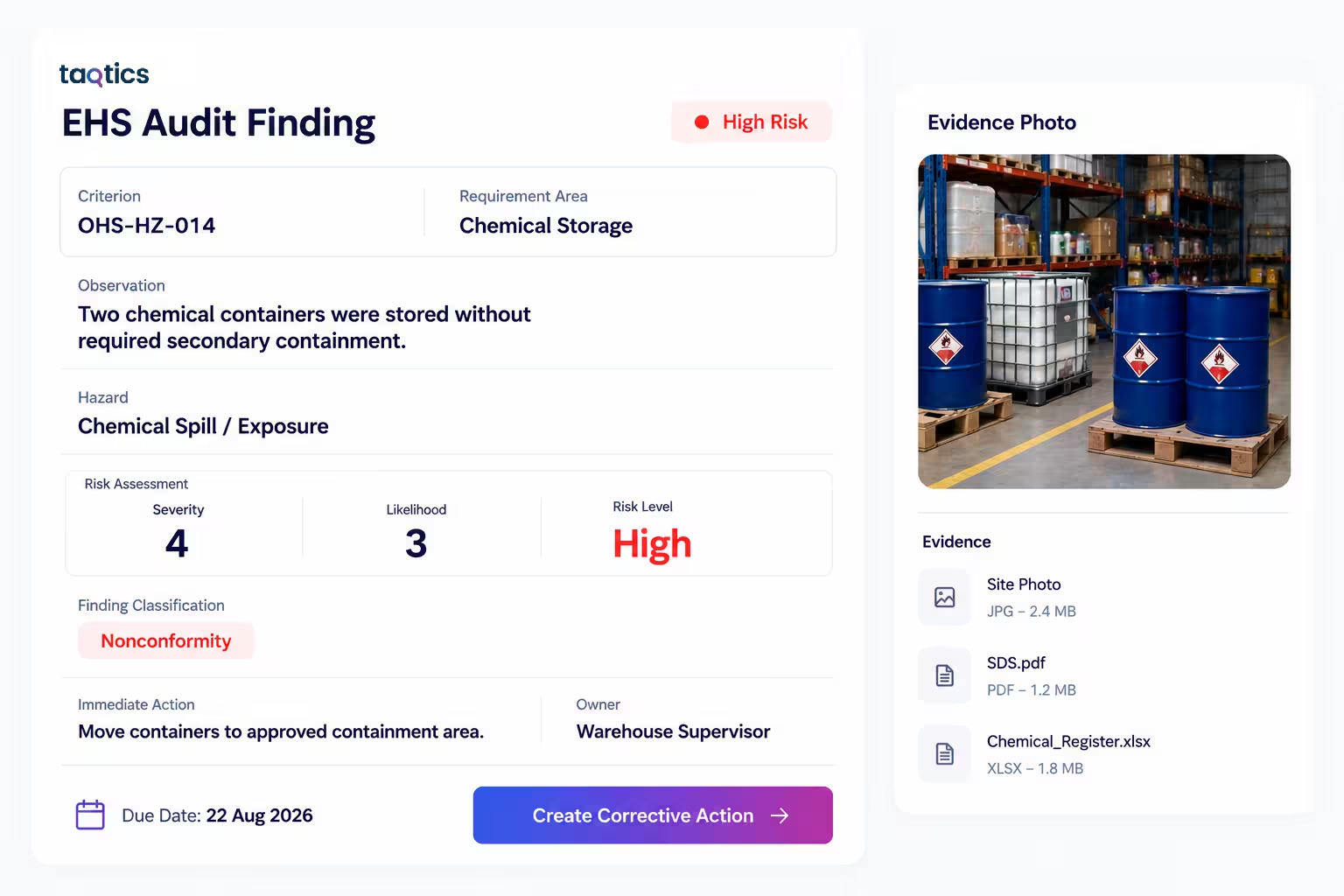
Hazard Identification & Risk Findings
EHS findings can involve more than simple conformity. Configure the audit to document the hazard, exposure, observation, severity, likelihood, risk level, classification, and immediate action using the risk methodology adopted by your organisation.
Corrective Action Management
Some findings can be corrected immediately. Others indicate a breakdown in the underlying EHS process and require structured investigation and systemic corrective action.
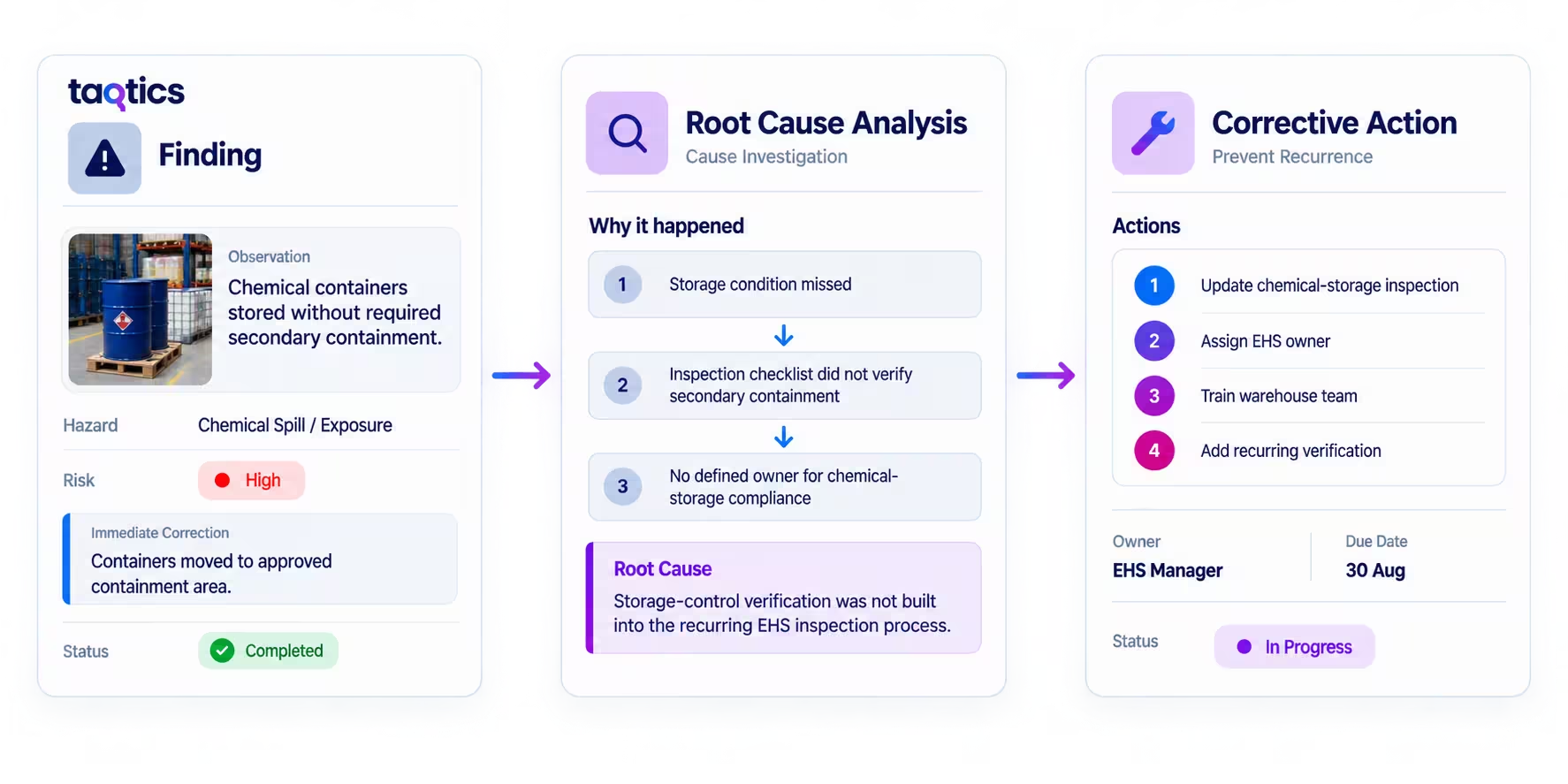
Assign the immediate action required to remove or control the identified hazard.
Assign an RCA checklist to investigate process gaps, ownership, controls, and contributing factors.
Update procedures, assign ownership, train teams, and introduce controls or recurring verification.
Effectiveness Verification
Responsible teams can submit revised procedures, photos, training records, monitoring data, permits, and other evidence. Follow-up verification can then confirm whether corrective action has actually reduced or eliminated the underlying issue.
Secondary containment missing in the original inspection.
Control verified across the follow-up sample and ready for closure.
EHS Audit Reporting
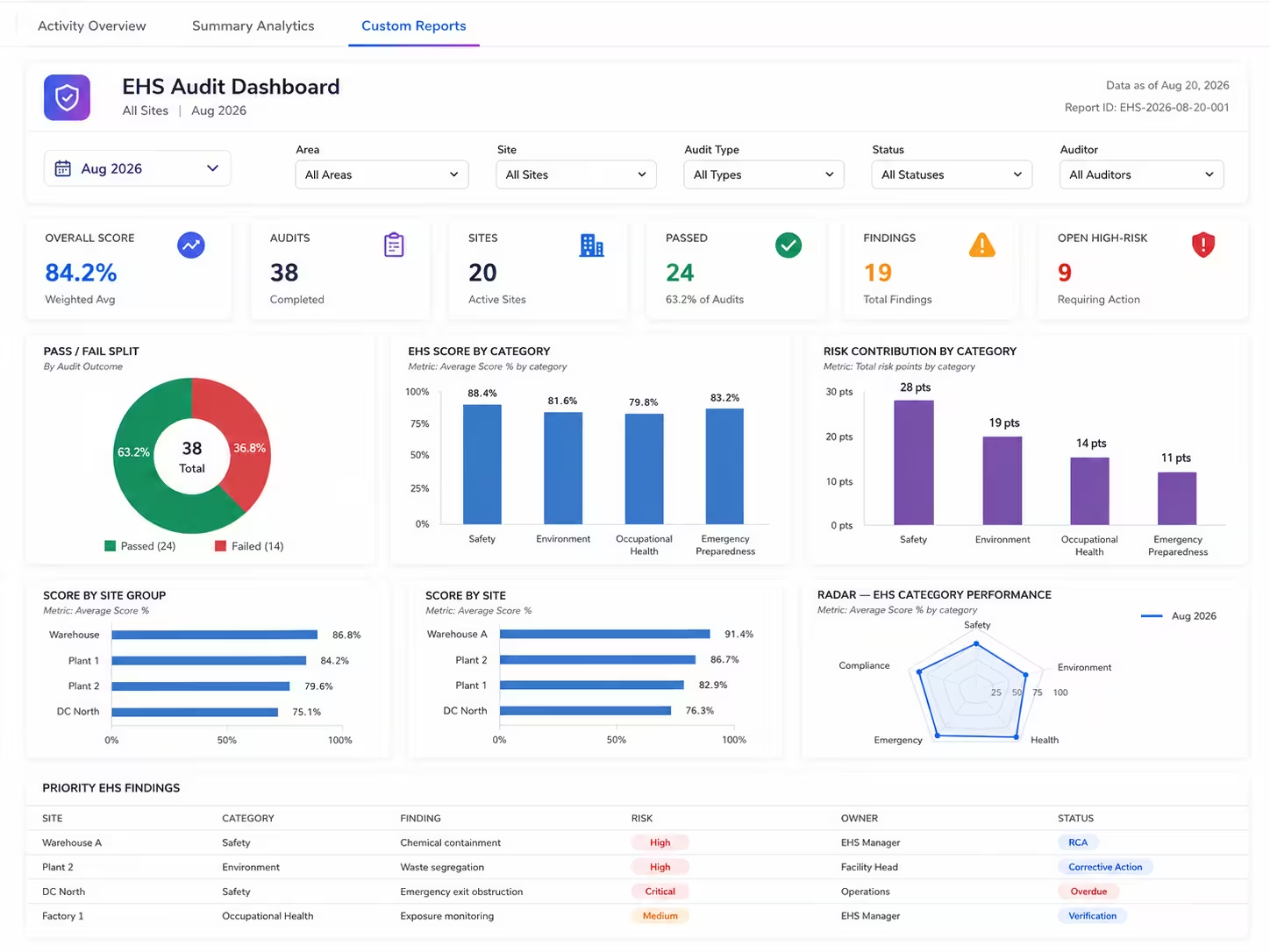
Give EHS leaders one view of audit completion, high-risk findings, environmental and safety nonconformities, overdue corrective actions, NCR closure, and recurring issues across facilities.
Applicable EHS Requirements
There is no single universal EHS regulation for every organisation. Audit criteria should reflect the standards, legal requirements, permits, internal controls, and industry obligations applicable to the organisation and facility.
Configure environmental management system audit criteria and supporting evidence requirements.
Audit occupational health and safety controls, hazards, responsibilities, and follow-up actions.
Configure applicable national, regional, or local occupational safety obligations.
Maintain facility permits, environmental obligations, and regulatory requirements as audit criteria.
Audit corporate policies, site procedures, contractor standards, and internal controls.
Combine environmental, health, safety, legal, and internal requirements in one structured audit.
Why Taqtics for EHS Audits?
Maintain standards, regulations, permits, and internal requirements as auditable references.
Attach and retain the documents, records, and samples examined by the auditor.
Capture workplace observations, photos, videos, interviews, and location evidence.
Record severity, likelihood, and risk using the methodology adopted by your EHS team.
Move findings from immediate correction through investigation and systemic remediation.
See high-risk findings, recurring hazards, overdue actions, and closure performance across locations.
Built for Multi-Site EHS Teams
Client Testimonials
Real stories from teams using Taqtics to improve visibility, accountability, and execution across locations.
Head of Information Technology, PT MAP Boga Adiperkasa (Starbucks, Subway, )
Felix, Head of IT at MAP Boga, shares how Starbucks Indonesia and MAP Group transformed cafe operations across 820 locations using Taqtics.
Head of HR and Learning, PizzaExpress
Vidya Mudaliyar, Head of HR & Learning & Development at PizzaExpress, shares how the organization modernized daily operations, strengthened accountability, and made reporting significantly faster across its restaurants.
Chief Digital Officer, Solitario Diamonds
Ruvin Dholakiya, Chief Digital Officer at Kisna, shares how Kisna uses Taqtics to move from paper, Excel, calls, WhatsApp messages, and scattered internal tools to one structured operating system for retail execution
EHS Audit Software FAQ
Ready to Improve EHS Audit Closure?
Review the requirement, inspect the workplace, capture the evidence, identify the risk, and track every corrective action through verified closure.
Taqtics provides configurable audit-management technology and is not a certification body or regulatory authority. Applicable EHS audit criteria should be configured according to the standards, permits, legal requirements, and procedures relevant to the organisation and facility.