Defined Audit Criteria
Give every audit point a clear reference to the framework, clause, process, requirement or procedure being evaluated.
Structure audits around defined criteria, document the samples examined, capture objective evidence, record nonconformities, perform root cause analysis, and track correction and corrective action through verified closure.
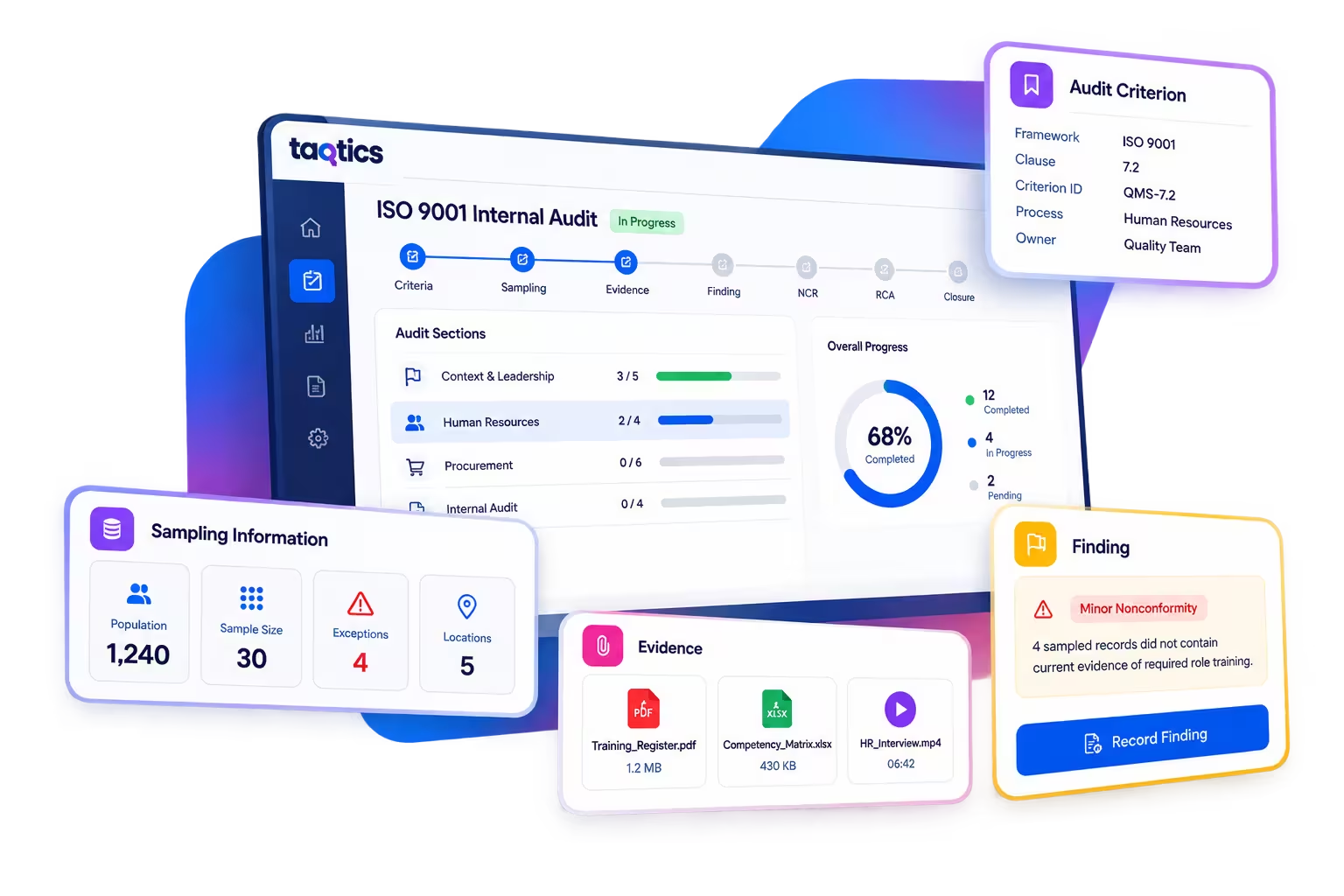
A standards-based audit needs to show what requirement was tested, what the auditor examined, how evidence was sampled, what was found, and how every nonconformity was addressed.
Give every audit point a clear reference to the framework, clause, process, requirement or procedure being evaluated.
Record the population, sample size, locations examined, exceptions identified and the records selected by the auditor.
Connect documents, interviews, video, images, auditor notes and sampled records directly to the audit conclusion.
Convert nonconformities into NCR, root cause analysis, correction, corrective action and effectiveness-verification workflows.
Keep the evidence, auditor reasoning, nonconformity and follow-up process connected from the moment an audit starts.
An audit section tells an auditor where they are in the audit. The criterion tells them what requirement they are evaluating against.
Taqtics lets you maintain each audit criterion as a structured record instead of burying standards references inside question descriptions or spreadsheets.
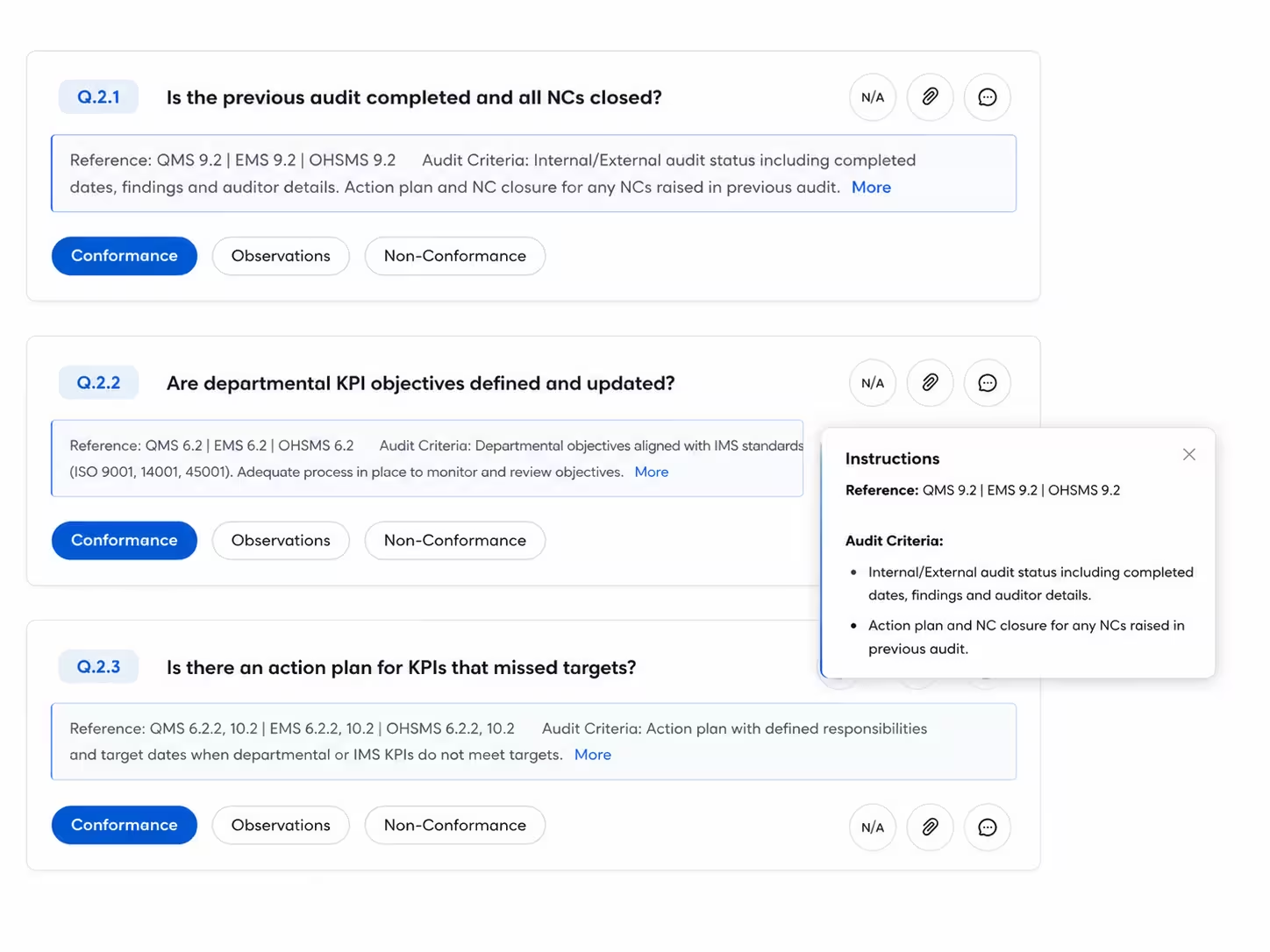
Auditors rarely inspect every record in a large population. Configure audit questionnaires to record how the sample was selected, what evidence was examined and how many exceptions were found.
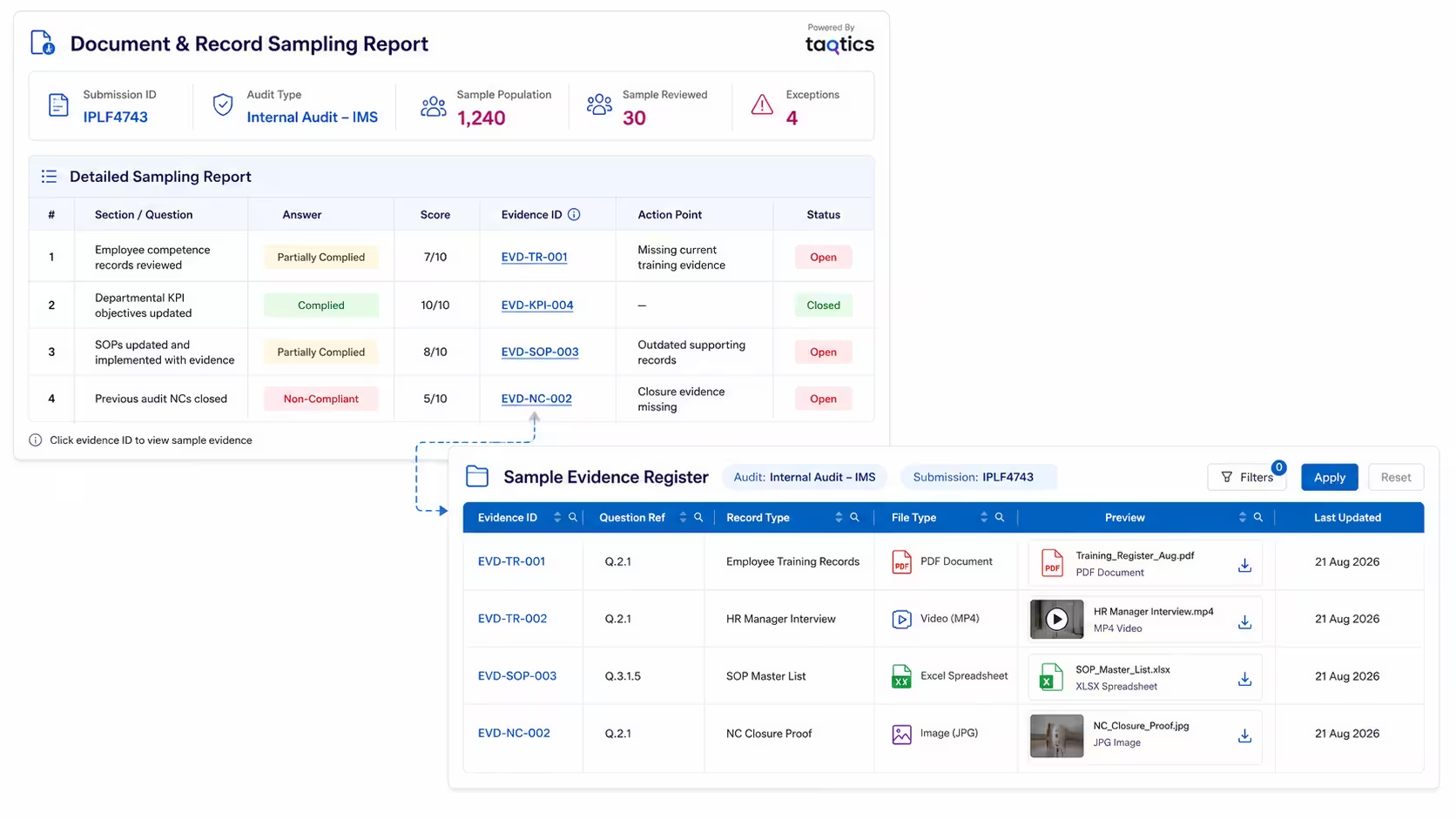
Keep a clear connection between the requirement being audited, the sample examined, the objective evidence recorded and the resulting finding.
A failed audit point should not disappear into a report. Create a structured Nonconformity Report that preserves the requirement, evidence, auditor finding, classification, responsible owner and response deadline.
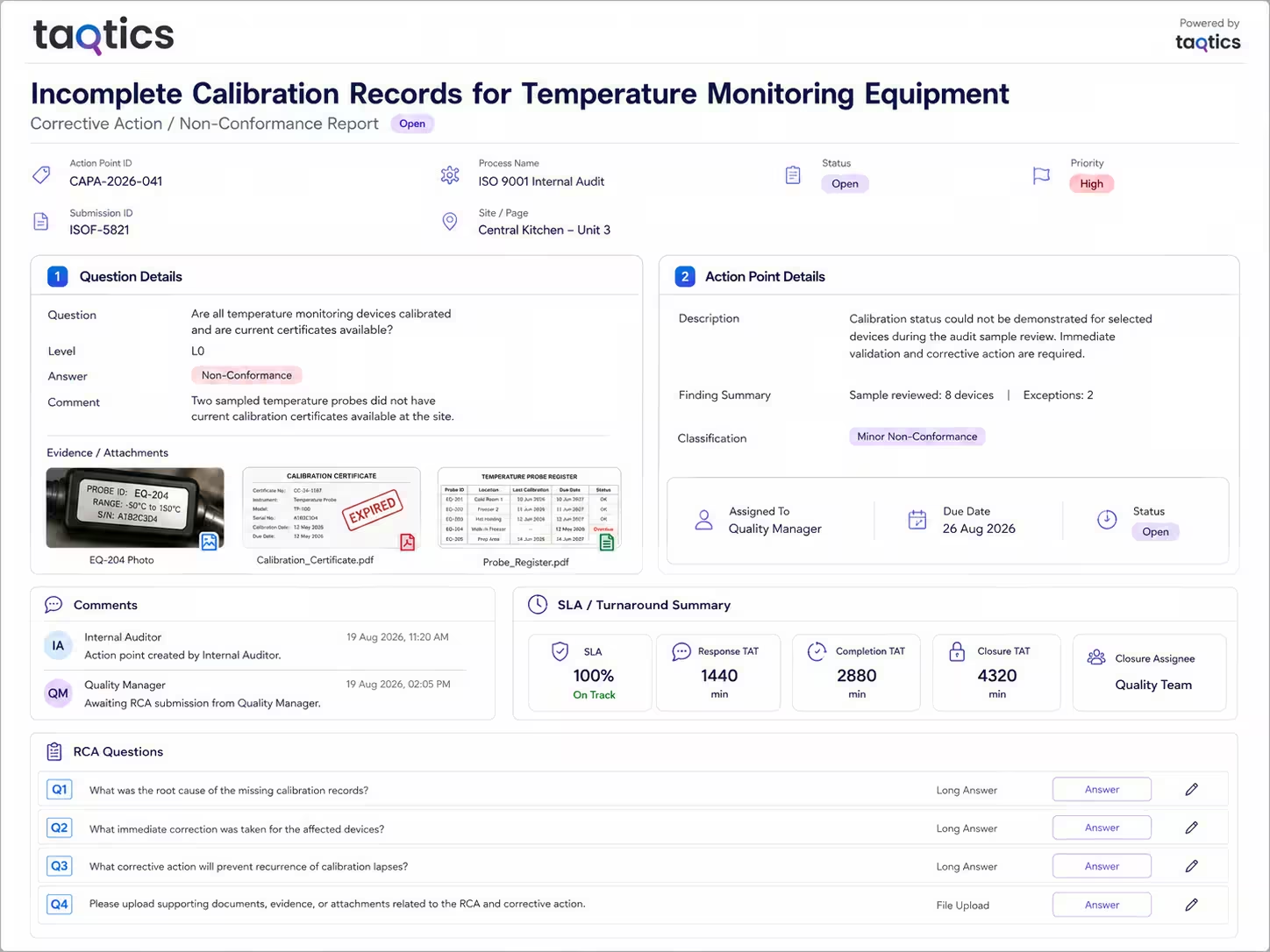
For findings requiring deeper investigation, assign a dedicated Root Cause Analysis checklist instead of recording the cause as a loose remark.
Configure the RCA around your own methodology, including problem statements, 5 Whys, contributing factors, root cause, supporting evidence and recommended corrective action.
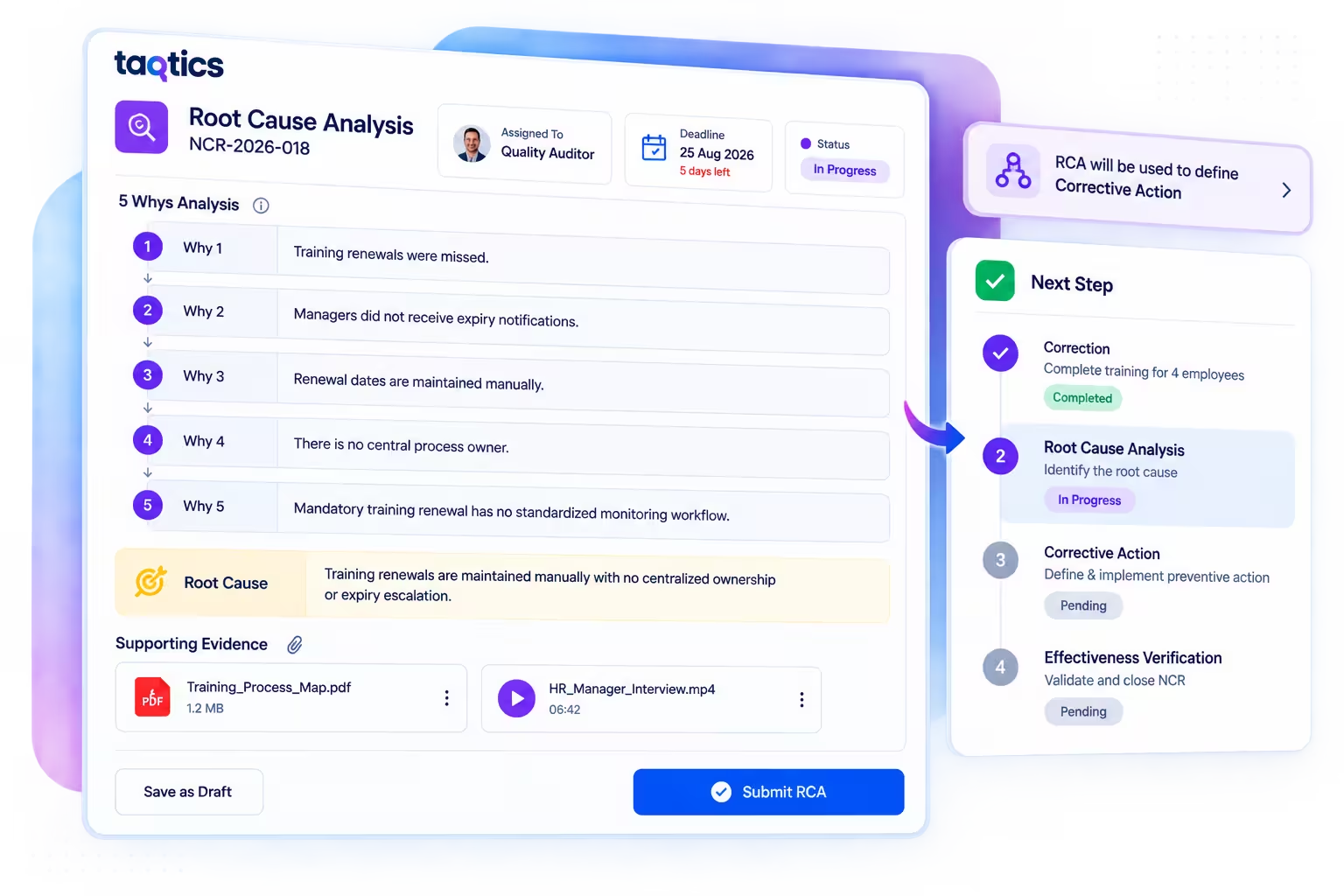
A correction resolves the problem that was detected. Corrective action addresses the underlying cause so the problem is less likely to recur.
Assign the immediate correction to the relevant employee, process owner or department with a clear deadline, escalation and completion proof.
Use the root cause analysis to assign changes to the process, control, ownership or monitoring system that allowed the nonconformity to occur.
Responsible teams can upload completion evidence including revised procedures, certificates, training records, spreadsheets, photographs and videos. Follow-up verification can then assess whether the corrective action was implemented effectively before final closure.
Give quality, audit and management teams a central view of audit completion, finding classifications, open NCRs, corrective-action status, overdue responses and closure performance.
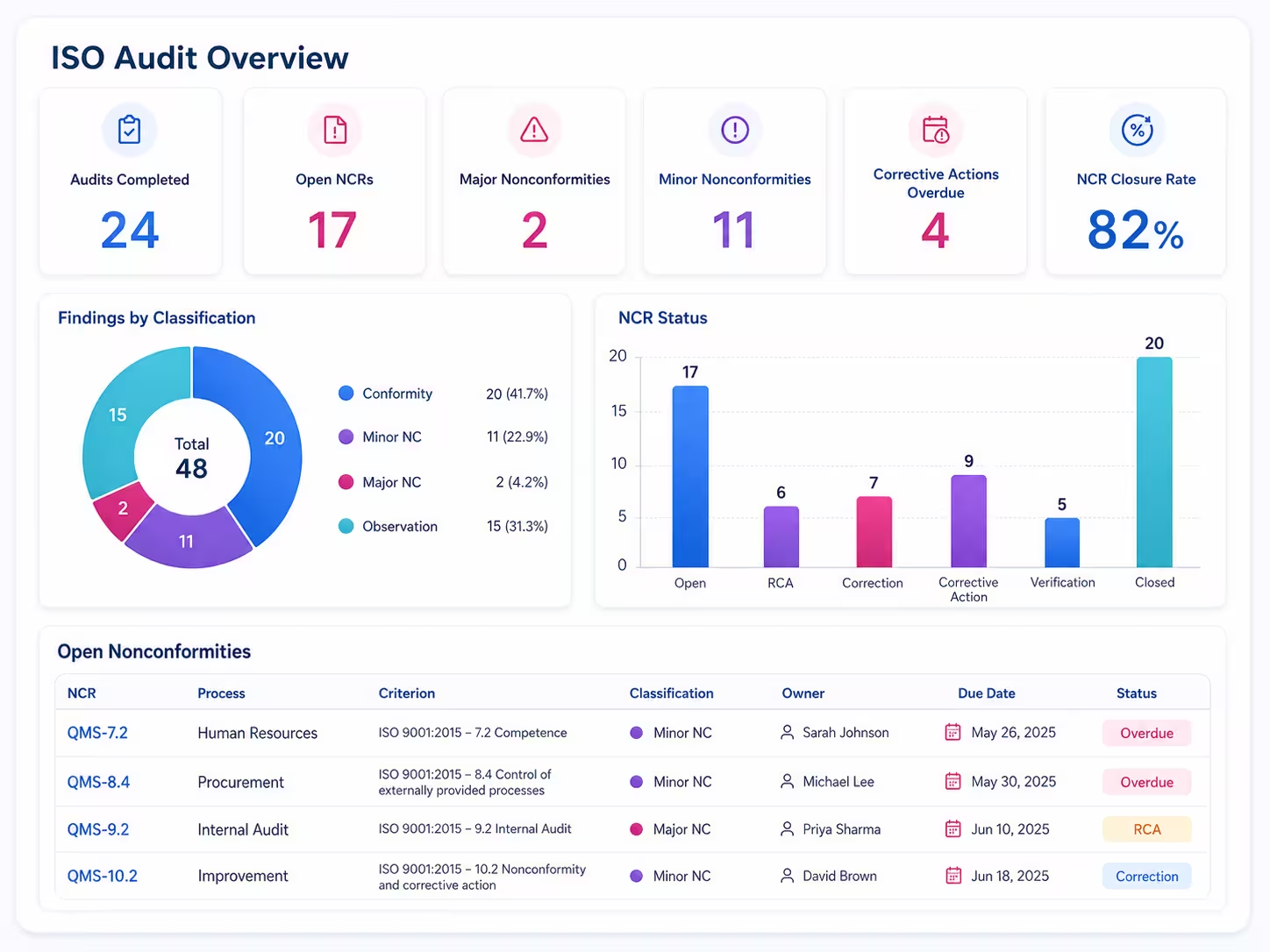
Different standards, organisations and audit methodologies require different criteria, evidence structures, classifications and follow-up workflows. Configure the audit rather than forcing every program into the same template.
Keep audit evidence rigorous without disconnecting the audit from the people, departments and locations responsible for corrective action.
Client Testimonials
Real stories from teams using Taqtics' food quality management system, visibility, accountability, and execution across locations.
Head of Information Technology, PT MAP Boga Adiperkasa (Starbucks, Subway, )
Felix, Head of IT at MAP Boga, shares how Starbucks Indonesia and MAP Group transformed cafe operations across 820 locations using Taqtics.
Head of HR and Learning, PizzaExpress
Vidya Mudaliyar, Head of HR & Learning & Development at PizzaExpress, shares how the organization modernized daily operations, strengthened accountability, and made reporting significantly faster across its restaurants.
Chief Digital Officer, Solitario Diamonds
Ruvin Dholakiya, Chief Digital Officer at Kisna, shares how Kisna uses Taqtics to move from paper, Excel, calls, WhatsApp messages, and scattered internal tools to one structured operating system for retail execution
Give auditors a structured system for criteria, sampling, evidence, nonconformities, root cause analysis, corrective action and verified closure.