FOH Service Readiness Checklist: Definition, Importance & Components
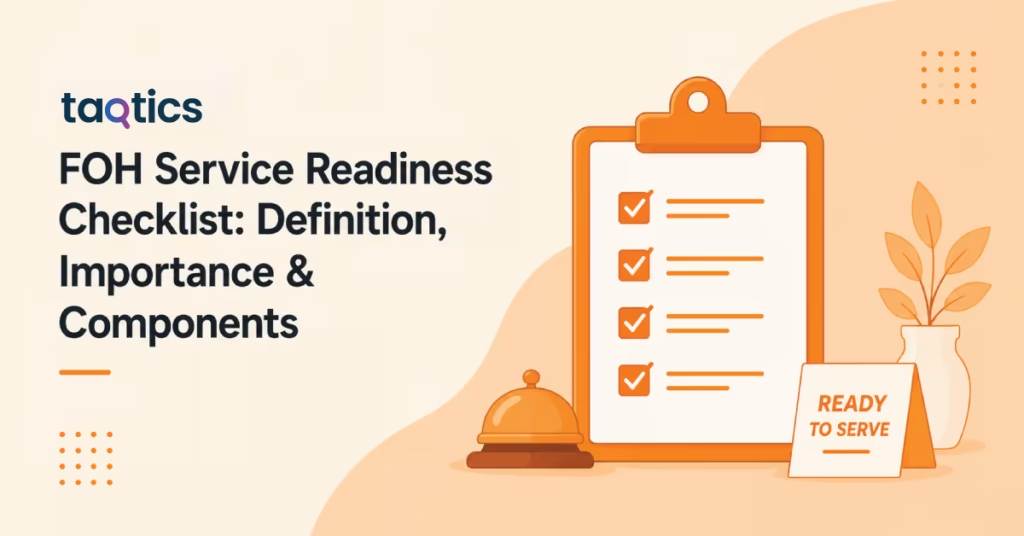
An FOH service readiness checklist is a structured tool used by front-of-house teams to ensure that all guest-facing areas, staff, and service elements are fully prepared before service begins. An FOH service readiness checklist helps standardize pre-service checks such as table setup, staff briefing, cleanliness, and reservation readiness, ensuring a smooth and consistent guest experience. According to a 2024 report by the National Restaurant Association, guest experience and service efficiency are among the top drivers of repeat business and revenue growth in restaurants.
An FOH service readiness checklist plays a critical role in minimizing service delays, improving coordination, and maintaining brand standards across shifts and locations. Research published in 2023 by Deloitte highlights that operational consistency and staff preparedness significantly impact customer satisfaction and loyalty in hospitality environments. By combining structured checks, clear responsibilities, and real-time readiness validation, an FOH service readiness checklist ensures teams are aligned, confident, and fully prepared to deliver a seamless dining experience.
What is FOH Service Readiness Checklist?
An FOH service readiness checklist is a pre-service control tool used by restaurant teams to confirm that all front-of-house operations are aligned, coordinated, and ready for guest flow. It ensures that every service element is reviewed systematically so that the dining experience runs smoothly from the moment guests arrive.
It typically includes checks for table readiness and layout, reservation and seating plans, staff positioning and section assignments, menu and POS readiness, and ambience factors such as lighting, music, and cleanliness. It may also cover communication points like specials, promotions, and service notes, helping teams stay informed, organized, and prepared for consistent service delivery.
Why Is an FOH Service Readiness Checklist Important?
An FOH service readiness checklist is important because it ensures that every guest-facing element is prepared in advance, reducing friction during service and creating a consistent dining experience.
- Prevents service delays: By verifying table setups, staff allocation, and POS readiness before service, teams can avoid last-minute scrambling that slows down seating and order flow. This directly improves table turnover and service speed.
- Improves customer experience: Well-prepared FOH teams deliver smoother, more attentive service. According to a 2023 report by Deloitte, customer experience is a key driver of loyalty in restaurants, with service quality significantly influencing repeat visits and positive reviews.
- Ensures hygiene and compliance: Pre-service checks for cleanliness, sanitation, and presentation help maintain hygiene standards and reduce the risk of non-compliance during inspections.
- Reduces staff confusion: Clear section assignments, briefings, and task checks ensure that every team member knows their role, minimizing miscommunication during busy hours.
- Helps managers track tasks and accountability: Checklists provide a clear record of what has been completed and by whom, making it easier for managers to monitor readiness and address gaps proactively.
- Drives operational efficiency: Structured readiness processes improve coordination and reduce errors. Industry insights from 2024 indicate that standardized checklists can significantly enhance operational efficiency and team productivity in hospitality environments.
- Enables automation and consistency with digital tools: Platforms like Taqtics help automate FOH checklists, assign tasks, track completion in real time, and ensure consistent execution across shifts and locations.
An FOH service readiness checklist acts as a foundation for efficient operations, better guest experiences, and stronger team coordination.
What Should Be Included in an FOH Service Readiness Checklist?
An FOH service readiness checklist should include details related to exterior and entryway, dining room and atmosphere, server station and bar, restrooms, staff and operations, safety and hygiene, and key focus areas for managers.
Exterior and Entryway
This is the first point of contact for guests and plays a crucial role in shaping their initial impression of the restaurant. A clean, well-maintained, and clearly marked entrance signals professionalism, attention to detail, and readiness to serve.
- Exterior swept, debris cleared: Ensure the entrance area is clean and inviting
- Signage correct and visible: Check branding, open signs, and promotions are properly displayed
- Entrance clean, doors wiped: Maintain spotless doors, handles, and entry surfaces
Dining Room and Atmosphere
The dining area defines the overall guest experience, combining cleanliness, comfort, and ambience. Ensuring that lighting, music, temperature, and table setups are aligned creates a welcoming environment that enhances satisfaction and encourages repeat visits.
- Lights on and dimmed properly: Set lighting to match the service mood
- Music system on and volume adjusted: Ensure ambience supports the dining experience
- Climate control checked: Verify HVAC settings for guest comfort
- Floor cleaned: Sweep, vacuum, and mop as required
- Tables set to standard: Ensure correct layout, cutlery, and setup
- Menus cleaned and updated: Remove damaged or outdated menus
- Condiments cleaned and filled: Refill and sanitize all containers
- High chairs cleaned and safe: Ensure readiness for families
Server Station and Bar
Efficient service depends heavily on how well the service stations and bar are prepared. A fully stocked, organized, and functional station allows staff to deliver orders quickly without interruptions or delays during peak hours.
- POS systems functional: Check printers, screens, and connectivity
- Coffee and beverage setup ready: Prepare machines and milk stations
- Ice stocked and clean: Ensure adequate ice supply
- Serviceware stocked: Keep glasses, cutlery, and pitchers ready
- Station sanitized: Clean and organize service areas
Restrooms
Restrooms are a critical reflection of overall hygiene standards and can strongly influence guest perception. Clean, well-stocked, and maintained restrooms signal attention to cleanliness across the entire establishment.
- Clean and sanitized: Ensure all areas are spotless
- Fixtures cleaned: Toilets, sinks, and mirrors must be maintained
- Supplies stocked: Refill soap, paper towels, and toilet paper
Staff and Operations
This component ensures that the team is fully aligned, informed, and ready to execute service efficiently. Clear communication and preparation at this stage reduce confusion and improve coordination during busy periods.
- Uniforms checked: Ensure staff are clean, groomed, and in proper attire
- Pre-shift briefing conducted: Communicate specials, bookings, and expectations
- Cash desk prepared: Verify floats and payment readiness
- Reservations reviewed: Align seating plans and guest flow
Safety and Hygiene
Maintaining safety and hygiene is essential not only for compliance but also for building trust with guests. This step ensures that all preventive measures are in place to protect both customers and staff.
- Hand sanitizer available: Place at key guest and staff touchpoints
- Surfaces disinfected: Clean high-contact areas thoroughly
- Safety measures in place: Check barriers, guards, or signage if required
Key Focus Areas for Managers
This section provides a high-level overview for managers to quickly assess readiness across all areas and ensure nothing critical has been overlooked before service begins. It helps prioritize attention and maintain operational control.
- Safety: Identify and address any hazards
- Cleanliness: Ensure all guest and service areas are spotless
- Service readiness: Confirm staff are informed and positioned
- Operational efficiency: Verify inventory, tools, and systems are fully functional
These components ensure that the front of house is fully prepared, organized, and aligned to deliver a seamless and high-quality guest experience from the moment service begins.
What Are the Key FOH Service Standards Restaurants Should Follow?
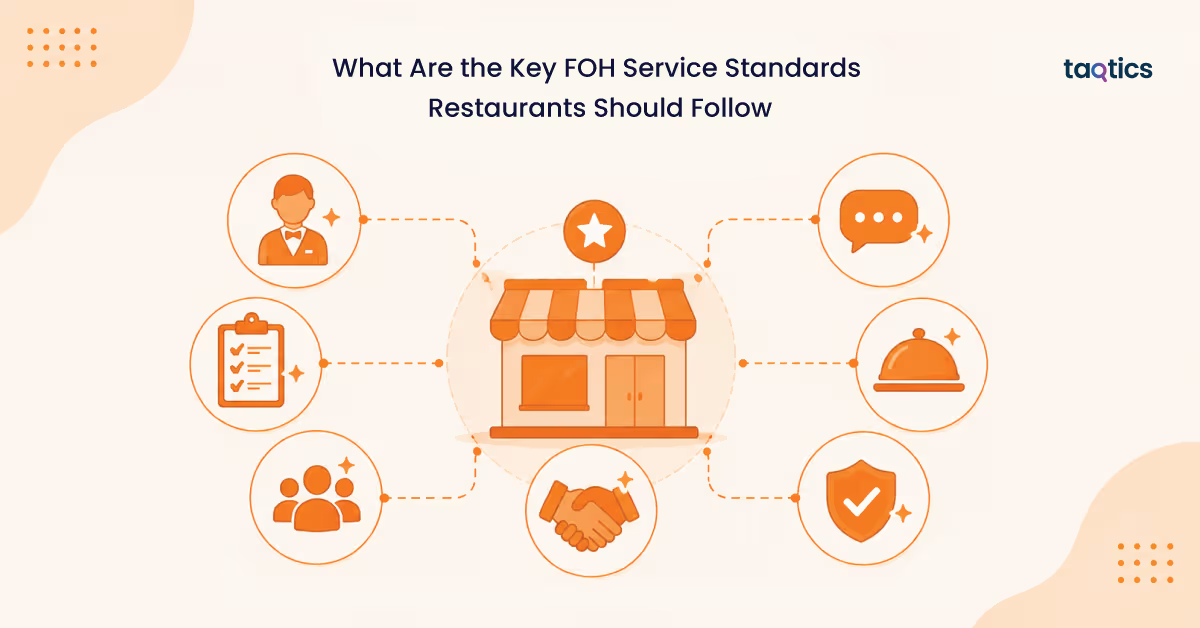
The key FOH service standards restaurants should follow focus on speed, consistency, and guest engagement to ensure a seamless and memorable dining experience.
- Greeting standards: Guests should be acknowledged and greeted within 30 seconds of arrival, whether at the entrance or upon seating. A prompt, warm welcome sets the tone for the entire experience and reduces perceived wait time.
- Table service standards: Service speed and timing are critical to guest satisfaction. Drinks should ideally be served within 2 to 3 minutes of ordering, and food should be delivered promptly as per course timing. Consistency in service flow ensures a smooth dining experience.
- Table maintenance: Ongoing attention to the table is essential throughout the meal. This includes regularly refilling water, clearing used plates in a timely manner, and ensuring the table remains clean and organized without being intrusive.
- Guest interaction standards: Staff should maintain a friendly, attentive tone and demonstrate strong menu knowledge to answer questions, suggest items, and handle requests confidently. Positive interactions enhance the overall experience and encourage repeat visits.
By adhering to these service standards, restaurants can deliver efficient, attentive, and high-quality front-of-house experiences that drive customer satisfaction and loyalty.
How Do Managers Monitor FOH Readiness Effectively?
Managers can monitor FOH readiness effectively by combining structured checks, on-ground validation, and real-time visibility to ensure every aspect of service is aligned before and during operations.
- Manual checklists for basic control: Traditional checklists help managers verify that key tasks like table setup, cleanliness, and staff readiness are completed before service. While simple, they provide a foundational level of control.
- Supervisor walk-throughs: Physical inspections of the dining area, entryway, and service stations allow managers to spot gaps that checklists may miss, such as ambience issues or staff positioning.
- Mystery diners for unbiased feedback: Periodic mystery audits provide an external perspective on service quality, helping identify inconsistencies in guest experience and adherence to standards.
- Digital operations tools for real-time monitoring: Using platforms like Taqtics enables managers to move beyond manual tracking and gain better control over FOH readiness.
- Digital FOH checklists: Standardize readiness checks across shifts and locations, ensuring consistency in execution
- Real-time task tracking: Monitor task completion as it happens, reducing delays and missed steps
- Audit reports: Generate insights on performance, recurring issues, and compliance levels
- Multi-location visibility: Track readiness across outlets from a single dashboard, enabling better oversight
- Compliance monitoring: Ensure SOPs are followed consistently, improving audit readiness and service quality
By combining on-ground checks with digital visibility, managers can ensure FOH teams are always prepared, consistent, and aligned with service standards.
What Are the Common FOH Readiness Mistakes Restaurants Make?
The common FOH readiness mistakes restaurants make include incomplete setups, untrained staff, poor communication, system issues, and missing inventory, all of which can disrupt service and impact guest experience.
- Incomplete table setups: Missing cutlery, unclean tables, or incorrect layouts create a poor first impression and slow down service. Guests may experience delays even before ordering. Structured checklists help by ensuring every table is verified against a standard setup before service begins, leaving no room for oversight.
- Untrained or unprepared staff: Staff who are unclear about roles, menu details, or service flow can lead to inconsistent service and confusion during peak hours. This directly affects guest satisfaction. Pre-shift checklists and briefings ensure staff are trained, informed, and assigned clear responsibilities before service starts.
- Poor communication between shifts: When there is no proper handover, important details such as reservations, special requests, or operational issues get missed. This creates gaps in service continuity. Standardized checklists and logs act as a reliable communication tool, ensuring smooth transitions between shifts.
- POS or system issues: Technical problems with POS systems, printers, or devices can delay order taking and billing, leading to longer wait times and frustrated guests. Pre-service checklist checks ensure all systems are tested and fully functional before guests arrive.
- Missing inventory or service items: Running out of menus, glassware, condiments, or other essentials during service disrupts flow and reflects poor preparation. Inventory checkpoints within structured checklists ensure all required items are stocked and ready at service stations.
Structured checklists bring consistency, accountability, and clarity to FOH operations, helping prevent these common mistakes and ensuring a smooth, efficient service experience.
How Can Technology Improve FOH Service Readiness?
Technology can improve FOH service readiness by bringing structure, visibility, and real-time control to front-of-house operations, ensuring teams are consistently prepared before service begins.
- Digital checklists: Replacing paper with digital checklists ensures that every readiness task is standardized, easy to follow, and consistently executed across shifts. Teams can complete tasks systematically without missing critical steps.
- Automated task reminders: Automated alerts prompt staff to complete pre-service checks on time, reducing reliance on memory and ensuring nothing is overlooked during busy periods.
- Shift tracking and accountability: Technology enables tracking of who completed which tasks and when, creating clear ownership and improving accountability across the team.
- Real-time performance monitoring: Managers can monitor readiness status as it happens, quickly identify gaps, and take corrective action before service is impacted.
Platforms like Taqtics help restaurants standardize FOH processes, monitor store-level execution, and improve operational consistency by centralizing checklists, tracking performance, and ensuring adherence to service standards across locations.
About the Author