Trial Room Checklist: Definition, Importance & Components
A trial room checklist is a structured tool used by retail stores and commercial spaces to ensure fitting rooms remain clean, safe, organized, and customer-friendly at all times. A trial room checklist is essential because the fitting room is often where final purchase decisions are made. The MultimediaPlus study in 2024 shows that about 67% of shoppers who try on clothes in-store end up buying, compared to only 10% who don’t use the fitting room (MultimediaPlus, 2024). Additionally, retail benchmarks reveal that customers using fitting rooms can generate conversion rates of around 67% and are significantly more likely to purchase than those who only browse.
Beyond sales impact, trial room management directly influences store reputation and customer loyalty. A 2019 ServiceChannel report found that 64% of shoppers walked out of stores due to poor cleanliness or disorganization, highlighting the need for systematic monitoring through checklists. Furthermore, fitting rooms alone can contribute up to 30% of a store’s overall conversion rate, making them a critical operational zone that requires regular inspection and maintenance. This underscores why a comprehensive trial room checklist, covering hygiene, safety, customer convenience, and maintenance, forms a core component of retail quality control and customer experience management.
What Is a Trial Room Checklist?
A trial room checklist is a systematic list of tasks and inspection points used by retail staff to monitor the condition, hygiene, safety, and functionality of fitting rooms. It serves as a standard operating tool that ensures trial rooms are well-maintained, properly equipped, and ready to deliver a seamless customer experience at all times. The checklist generally covers aspects such as cleanliness, lighting, mirrors, fixtures, inventory control, and customer convenience elements, helping stores maintain consistency across all fitting areas.
Trial rooms play a decisive role in shaping purchase behavior and brand perception. According to a 2023 Retail TouchPoints report, nearly 80% of shoppers prefer trying products in-store before purchasing, especially in apparel retail, making fitting rooms a crucial touchpoint in the buying journey. Moreover, research by Zebra Technologies (2022) found that 70% of retail shoppers say store experience influences their loyalty to a brand, highlighting the importance of well-managed trial rooms. A structured checklist helps retailers maintain service standards, prevent merchandise loss, enhance customer satisfaction, and ensure operational efficiency, ultimately strengthening both sales performance and brand credibility.
What Should Be Included in a Retail Trial Room Checklist?
A retail trial room checklist should include cleanliness & hygiene, infrastructure & fittings, and merchandising & service.
Cleanliness & Hygiene
Maintaining high standards of cleanliness and hygiene in trial rooms is crucial for customer comfort and brand perception. A clean and fresh trial room builds trust, encourages product trials, and reflects the store’s commitment to quality service. Regular monitoring also prevents clutter and ensures a pleasant experience for every customer.
Key elements to check include:
- Mirrors: Clean, streak-free, and dust-free for clear visibility.
- Floors: Swept or vacuumed; free of tags, pins, and litter.
- Walls/Corners: No cobwebs, stains, or dust accumulation.
- Odour Control: Fresh ambience maintained; air freshener used if required.
- Bins: Emptied regularly to avoid overflow and clutter.
Infrastructure & Fittings
Well-maintained infrastructure ensures privacy, safety, and convenience for customers using the trial room. Functional fittings enhance comfort and prevent inconvenience, while also reducing maintenance issues and potential complaints. Regular inspection helps identify repairs early and maintain a professional store environment.
Important infrastructure checkpoints include:
- Door/Curtain: Locks, handles, and latches are working properly for privacy.
- Mirrors: Securely mounted and free from cracks or damage.
- Hooks: Firmly fixed and capable of holding multiple garments.
- Lighting: All bulbs are functional with adequate brightness.
- Stool/Seating: Clean, stable, and properly positioned (if provided).
- Hangers: Sufficient quantity available and neatly organized.
Merchandising & Service
Trial rooms also play a key role in merchandising and customer service. A well-managed fitting area helps maintain product quality, prevents stock loss, and ensures customers have everything they need for a smooth trial experience. Proper service standards in this space can positively influence purchase decisions.
Essential merchandising and service checks include:
- Clearance: No previously tried garments or accessories left behind.
- Footwear: Trial footwear provided where applicable and kept clean.
- Signage: Clear usage instructions, brand messaging, or guidelines displayed.
These checklist components help maintain consistency, improve customer satisfaction, and support overall retail efficiency.
What Is the Ideal Size and Layout for a Retail Trial Room?
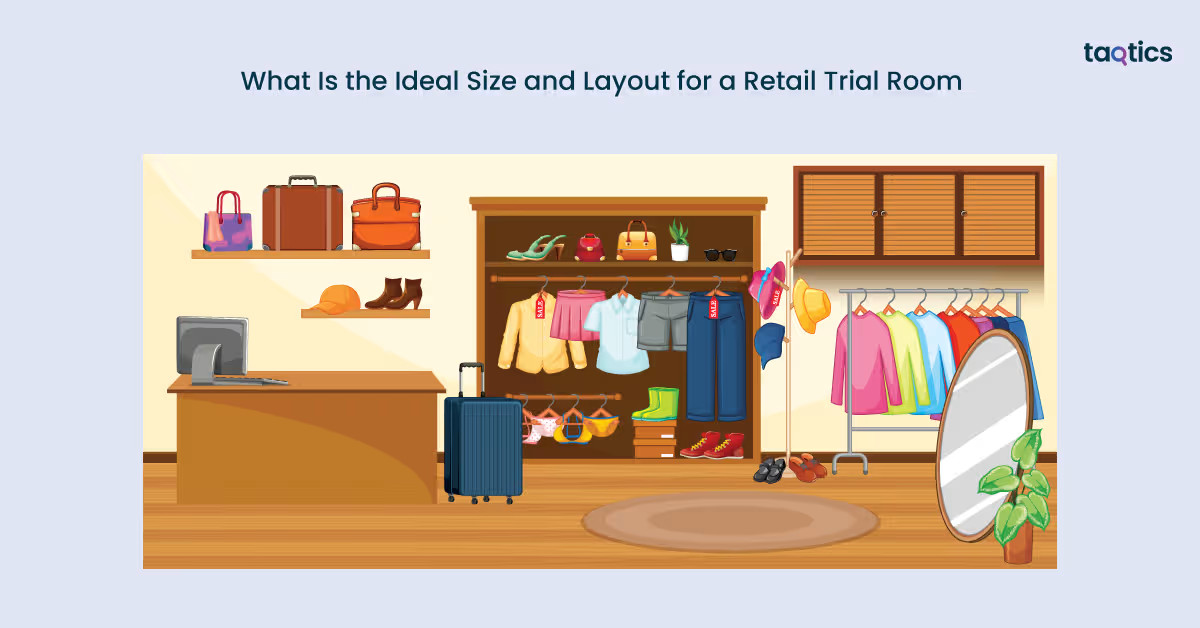
The ideal size and layout for a retail trial room should ensure comfort, privacy, accessibility, and efficient customer flow while making the best use of available store space.
- Standard trial room dimensions (small, medium, accessible): Choosing the right trial room size helps balance customer comfort with store space optimization. Standard dimensions vary based on store format and accessibility needs.
- Small trial room: Typically, around 3 ft × 4 ft (0.9 m × 1.2 m) for compact retail stores.
- Medium/standard trial room: Around 4 ft × 5 ft (1.2 m × 1.5 m) or larger for comfortable movement.
- Accessible trial room: At least 6 ft × 6 ft (1.8 m × 1.8 m) to accommodate wheelchairs or assistance.
- Minimum turning radius for comfort: Adequate space inside the trial room ensures customers can move, change, and view outfits comfortably without feeling restricted.
- Recommended turning radius: 4–5 ft (1.2–1.5 m) for general comfort.
- Accessible rooms should allow about 5 ft (1.5 m) turning radius for wheelchair users.
- Door vs curtain: The choice between doors and curtains impacts privacy, cost, and space utilization in trial rooms. The selection should align with store design, brand positioning, and available space.
- Doors: Offer better privacy and security but require more space and higher installation cost.
- Curtains: Space-saving and economical, but may offer comparatively less privacy and sound insulation.
- Number of trial rooms based on store size: The number of trial rooms should match store size and customer footfall to avoid waiting time and improve service efficiency. A common planning guideline is one trial room per 100–150 sq. m. of apparel retail space.
- Small stores: 1-3 trial rooms.
- Medium stores: 4-6 trial rooms.
- Large stores: 6-10+ trial rooms, including at least one accessible room.
From choosing appropriate dimensions and ensuring adequate movement space to selecting between doors or curtains and determining the right number of trial rooms, every design element directly influences customer experience.
How Should Trial Rooms Be Designed for Accessibility?
Trial rooms should be designed keeping in mind some specific features that determine the standards to ensure these rooms are safe and comfortable for all.
- ADA-compliant trial room features: Accessible trial rooms should provide step-free entry, wider doorways, and easy-to-operate locks or handles. Flooring must be non-slip and clutter-free to prevent accidents. Proper lighting and clear visibility inside the trial room help all customers use the space confidently and independently.
- Wheelchair-friendly dimensions: Trial rooms should have sufficient space for wheelchair users to enter, turn, and move comfortably. A minimum size of about 6 ft × 6 ft (1.8 m × 1.8 m) is recommended, with at least a 5 ft turning radius to allow full wheelchair rotation. Wider doorways ensure easy entry and exit without obstruction.
- Grab bars and lower hooks: Grab bars should be installed on walls to provide support and stability for customers with mobility challenges. Hooks, shelves, and mirrors must be placed at lower and reachable heights so that wheelchair users or shorter individuals can easily access them without assistance.
- Clear signage: Accessible trial rooms should be clearly marked with visible signage and universal accessibility symbols. Directional signs guiding customers to accessible fitting rooms must be easy to read and placed at appropriate heights to ensure convenience for all shoppers.
By incorporating ADA-compliant features, retailers not only meet safety and accessibility standards but also create a welcoming and customer-centric store environment that enhances overall shopping experience and brand reputation.
What Are Common Trial Room Mistakes Retailers Should Avoid?
The common trial rooms mistakes that retailers should avoid include poor lighting, lack of mirrors or hooks, overcrowded layouts, and ignoring customer feedback.
- Poor lighting: Inadequate or harsh lighting can distort how garments look and make customers feel uncomfortable. Dim lighting reduces visibility, while overly bright or uneven lighting can create unflattering shadows. Proper, balanced lighting helps customers view fit, color, and style accurately, improving confidence in purchase decisions.
- Lack of mirrors or hooks: Trial rooms without sufficient mirrors or sturdy hooks create inconvenience for shoppers. Customers need full-length mirrors to assess outfits properly and multiple hooks to hang clothes, bags, or accessories. Missing or poorly placed fixtures lead to clutter and frustration during trials.
- Overcrowded layouts: Small or poorly designed trial rooms restrict movement and make it difficult for customers to change comfortably. Overcrowding due to limited space or too many fixtures inside the room can create a stressful experience. Adequate space planning ensures comfort, privacy, and ease of movement.
- Ignoring customer feedback: Customer complaints about cleanliness, fittings, or convenience should never be overlooked. Ignoring feedback prevents improvement and can lead to repeated negative experiences. Regularly reviewing feedback helps retailers identify issues and upgrade trial room standards to meet customer expectations.
Avoiding these common mistakes can significantly improve the trial room experience and strengthen customer satisfaction.
How Often Should Trial Rooms Be Cleaned?
Trial rooms should be cleaned at regular intervals throughout the day to maintain hygiene, comfort, and a positive shopping experience for every customer.
- Trial rooms should be quickly checked and tidied after every use to remove unwanted garments, tags, pins, or any litter left behind by customers.
- Cleaning staff should inspect the space every one to two hours to sweep floors, wipe mirrors, and ensure hooks, hangers, and seating remain clean and properly arranged.
- During peak shopping hours, cleaning frequency should be increased to manage higher footfall and prevent clutter or hygiene issues.
- A thorough daily deep cleaning should be conducted before store opening or after closing to sanitize floors, mirrors, walls, and all fixtures.
- Weekly maintenance checks should be carried out to inspect lighting, fittings, and odour control while identifying any repair or replacement needs.
Consistent upkeep not only enhances the shopping experience but also reflects positively on store standards, helping retailers maintain customer trust, improve satisfaction, and support better purchase decisions.
How Can Trial Rooms Increase Sales and Reduce Returns?
Trial rooms can increase sales and reduce returns by improving customer confidence, ensuring proper fit and comfort, and enhancing the overall in-store shopping experience. A well-managed fitting room encourages customers to try products, make informed decisions, and complete purchases with greater satisfaction.
- Well-lit and spacious trial rooms help customers view garments clearly and feel comfortable, increasing the likelihood of purchase.
- Full-length mirrors and proper fittings allow customers to assess fit, style, and appearance accurately before buying.
- Clean and organized trial rooms create a positive impression that builds trust in product quality and brand standards.
- Staff assistance near trial rooms enables quick size exchanges or styling suggestions, leading to faster buying decisions.
- Trying products before purchase reduces size and fit-related returns, especially in apparel retail.
- Comfortable trial experiences encourage customers to try multiple items, increasing basket size and overall sales.
According to a 2022 report by Retail Dive, shoppers who try products in-store are up to 60% more likely to complete a purchase and significantly less likely to return items due to size or fit issues, highlighting the direct impact of well-managed trial rooms on conversion and return rates.
About the Author